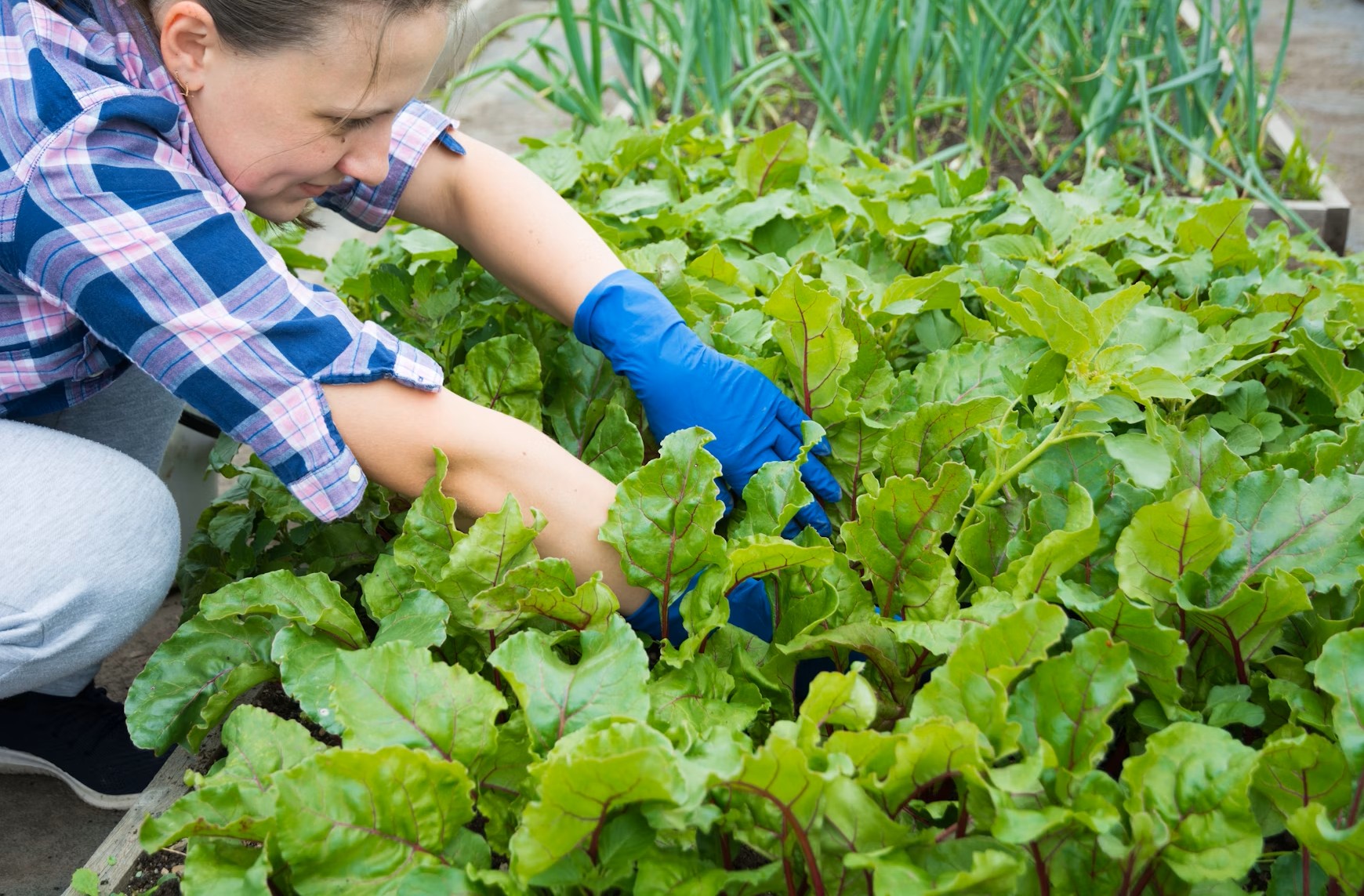
Fulvic acid products are used in fertigation, foliar and water-soluble fertilizer formulations. This article covers the practical side for formulators and growers: which of our grades list which uses, how to dissolve them, how their pH differs, what is known about hard water, and how to check compatibility. It gives no application rates and makes no claims about crop effects.
For what fulvic acid is and how mineral and bio fulvic acid differ, see What Is Fulvic Acid?. For its chemistry, see Fulvic Acid Properties.
Uses listed on the TDS
Only the uses printed on each current TDS are covered here:
- FA-02P mineral fulvic acid: fertigation and drip irrigation formulations; foliar fertilizer formulations; base for water-soluble and liquid fertilizers
- KF-01P, KF-02F, KF-02P potassium fulvate: fertigation and drip irrigation formulations; foliar fertilizer formulations; blending with compound and water-soluble fertilizers
- BKF-01P bio fulvic acid: foliar and fertigation formulations; fulvic acid base for water-soluble fertilizers; additive for compound and bulk-blended fertilizers
Soil conditioning is not a listed use for these grades. All of them are supplied as powders or flakes; a liquid fertilizer made from them is the formulator’s own product and needs its own testing.
Fertigation and drip irrigation
In fertigation, mineral fulvic acid or potassium fulvate is dissolved before it enters the system. The TDS of FA-02P and the three KF grades list water solubility (dry basis) 100%, and BKF-01P lists water solubility 100%. In practice:
- Dissolve the product in a separate tank with stirring before adding other fertilizers.
- Add other components one at a time, and check the solution after each addition.
- Use the system’s normal filtration, and look for sediment in the stock tank and filters.
- Flush the lines with clean water after injection, as with any fertilizer solution.
Foliar fertilizer formulations
Foliar fertilizer formulations are a listed use on the FA-02P TDS and on all three KF TDS; the BKF-01P TDS lists foliar and fertigation formulations. These are formulation uses: the fulvic product is one ingredient of a foliar fertilizer that the formulator designs, tests and registers for the target market. A spray solution should be fully dissolved and filtered so that nozzles do not block. Crop sensitivity depends on the crop, the conditions and the whole formulation, so try a new formulation on a small area first.
Water-soluble fertilizer formulations
FA-02P is listed as a base for water-soluble and liquid fertilizers, BKF-01P as a fulvic acid base for water-soluble fertilizers, and the KF grades for blending with compound and water-soluble fertilizers. When a fulvic product is part of a water-soluble formulation, check the finished product, not only the raw material: dissolve a sample of the finished blend in water, look for sediment, and keep a stored sample to see whether the solution stays clear over time. The fulvic and humic content of the finished product depends on the formulation; the TDS figures describe the raw material only.
pH differences between grades
Fulvic acid itself is an acid, but our fulvic products are potassium salts with quite different pH values (all measured at 1:100):
- FA-02P: pH 9.0–10.0
- KF-02F and KF-02P: pH 9.0–10.0
- KF-01P: pH 4.0–6.0
- BKF-01P: pH 4.0–6.0
Take care when mixing grades or switching between them. FA-02P lists humic acid ≥ 50.0% and the KF-02 grades humic acid ≥ 55.0% (dry basis). Their fulvic fraction stays soluble across the pH range, but their humic fraction precipitates under acidic conditions. If an alkaline grade such as KF-02P is combined with an acidic grade such as KF-01P, or with acidic fertilizers, the pH of the mix falls and flocs or sediment can form. Measure the pH of the final solution and look for flocs before using a new combination. A formulation developed with KF-01P cannot simply be switched to KF-02F or KF-02P, or the other way round, without testing again.
Hard water and calcium
Calcium and magnesium ions bind to the carboxyl groups of humic substances. At high enough concentrations this binding makes humic material flocculate and settle out; the humic fraction is more sensitive to this than the fulvic fraction (Stevenson 1994; Tipping 2002). Water hardness is therefore a practical question for fertigation.
The FA-02P TDS gives a flocculation limit of 350 mg CaO per 1 L water (CaCl₂ solution). This is a laboratory figure measured in a calcium chloride solution. Irrigation water also contains magnesium, bicarbonate and other ions, so treat the figure as a guide for comparison, not as a guarantee for your water.
The KF and BKF TDS give no hard-water figure. Test in your own water before use: dissolve the product in your irrigation water at the concentration you intend to use, let it stand, and look for flocs or sediment. Comparing it with the same solution made in distilled or rainwater shows whether the water itself is the cause.
Compatibility with acidic and calcium-containing products
Two pieces of general chemistry explain most mixing problems. First, the humic fraction precipitates under strongly acidic conditions, so mixing directly with phosphoric acid, strongly acidic solutions or acidic fertilizer solutions can produce flocs. Second, dissolved calcium and magnesium, for example from calcium nitrate, calcium chloride or magnesium sulfate, can flocculate humic material. Grades that contain a large humic fraction (FA-02P, KF-02F, KF-02P, and KF-01P with humic acid ≥ 40.0% dry basis) are the ones to watch. The BKF-01P TDS has no humic acid line, but it should be tested in the same way.
Where calcium fertilizers are needed, the common fertigation practice of keeping calcium sources and humic or fulvic products in separate stock tanks avoids mixing them in concentrated form.
Can be mixed with many fertilizers; run a compatibility (jar) test before new combinations. A simple jar test: in a clear jar, use your own irrigation water, add the components in the order and proportion you plan to use, stir, and leave it to stand. Look for flocs, sediment or separation. If anything forms, do not combine those products in one tank.
Application rates
Application rates depend on crop, soil and formulation; ask us for technical guidance and run a small trial first. None of the TDS for these grades states an application rate.
FAQ
Can potassium fulvate be used in foliar fertilizers?
Yes. Foliar fertilizer formulations are a listed use on the KF-01P, KF-02F and KF-02P TDS, and also on FA-02P. Test the finished formulation on a small area first.
Can I mix KF-01P with KF-02P?
Their pH differs (4.0–6.0 vs 9.0–10.0 at 1:100), and KF-02P contains humic acid ≥ 55.0% (dry basis), which precipitates as the pH falls. Check the pH and run a jar test before combining them.
Is fulvic acid stable in hard water?
For FA-02P the TDS gives a flocculation limit of 350 mg CaO per 1 L water (CaCl₂ solution). The KF and BKF TDS give no hard-water figure, so test in your own water before use.
Which grade should I choose?
It depends on the use listed on the TDS, the pH your formulation needs and your water. Product pages: Fulvic Acid, Potassium Fulvate, Bio Fulvic Acid. To compare with potassium humate, see the potassium humate vs potassium fulvate guide, or contact us.
References
- Stevenson, F.J. (1994). Humus Chemistry: Genesis, Composition, Reactions, 2nd ed. Wiley.
- Tipping, E. (2002). Cation Binding by Humic Substances. Cambridge University Press. doi:10.
1017/ CBO9780511535598