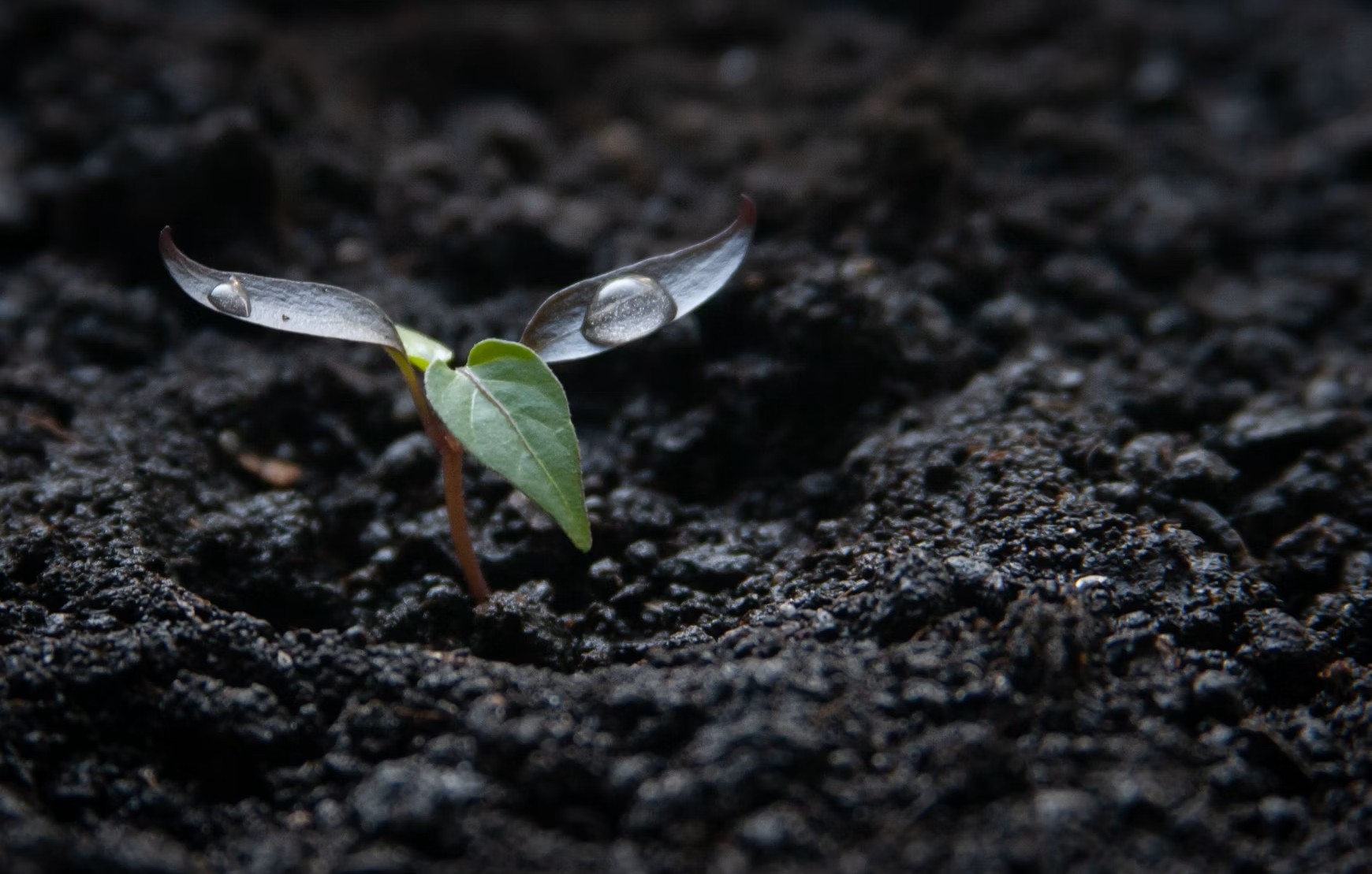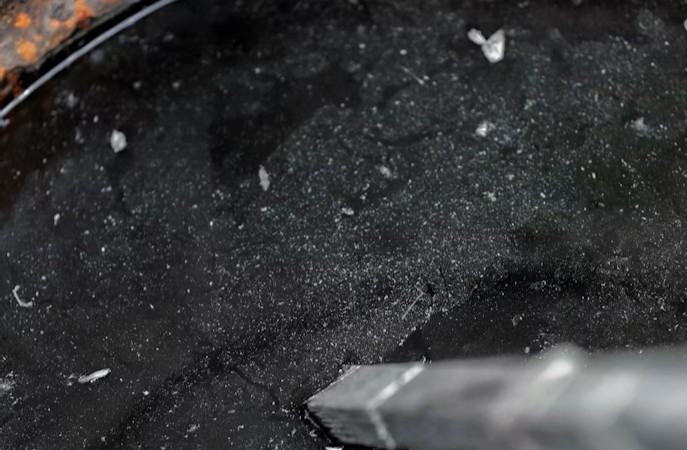
Humate is that dark, crumbly stuff you find deep in old soil or in peat bogs. Humate comes from leaves, roots, bark, and even animal bits that have been rotting away for hundreds or thousands of years. All that slow breakdown leaves behind a messy mix of big carbon-rich molecules. These molecules are loaded with little chemical hooks—mostly oxygen-based ones—that love to latch onto tiny bits of metal floating around in the dirt or water. The latching process has a fancy name: chelation. But really, it is just the humate wrapping its arms around a metal particle and holding on so the metal cannot wander off or clump up into something useless.
1. Where Humate Comes From and What It Looks Like
Picture a forest floor a thousand years ago. Leaves fall, insects die, tree trunks rot. Tiny microbes chew everything into smaller pieces. Over centuries, heat, pressure, water, and more microbes turn the mess into a black, gooey, coffee-ground-like material. That is humus. Humate is simply humus turned into a salt—usually by adding sodium or potassium—so it dissolves better in water. Farmers buy it as a black powder or liquid to sprinkle on fields.
If you squeeze a handful of rich garden soil, the dark color and earthy smell mostly come from humate.
2. The “Hooks” That Do the Grabbing
The humate molecule is not one neat thing; it is a jumble of thousands of carbon atoms linked in chains and rings. Stuck onto those carbons are the hooks:
- Carboxyl hooks (–COOH). Think of them as tiny acid drops. In water that is not too sour (pH above 5), they spit out a hydrogen atom and become –COO⁻. The negative sign is like a magnet for anything with a positive charge.
- Phenolic hooks (–OH sitting on a six-carbon benzene ring). These act like the carboxyl ones but need the water to be a bit more basic (pH 7 or higher) before they let go of their hydrogen.
- Carbonyl hooks (C=O, a double bond between carbon and oxygen). These are quieter but still help form the circle around the metal.
- A few other bits like alcohol groups (–OH on chains) and amine groups (–NH₂) pitch in now and then.
Because there are so many hooks on one big molecule, humate can grab a metal with two, three, four, or even more arms at once. That multi-arm hug is what makes the grip strong and special.
3. Exactly How the Metal Gets Caught
Imagine a copper ion (Cu²⁺)—a tiny blue speck with two plus charges—drifting in soil water.
- Step 1 – The pull The negative –COO⁻ groups send out an invisible tug. The copper feels it and swims closer.
- Step 2 – The handshake When it is right next to the oxygen atoms, the copper shares some of its electrons. Real chemical bonds form, not just a loose touch.
- Step 3 – The ring Usually two oxygen atoms (one from a carboxyl, one from a phenolic or carbonyl) bend around and meet on the other side of the copper. This makes a closed loop—five or six atoms long—like a bracelet. Scientists call these chelate rings. One ring is good; two or three rings around the same metal are super strong.
- Step 4 – The cage The rest of the huge humate molecule folds around the metal like a fluffy blanket. Water molecules and other chemicals cannot sneak in and pry the metal loose.
The whole package—humate plus trapped metal—is now a complex. It floats around safely until a plant root or something else needs the metal.
4. Which Metals Get the Tightest Hug
Humate is picky. It does not love every metal the same:
| Metal | How tightly held | Why |
|---|---|---|
| Copper (Cu²⁺) | ★★★★★ | Small size, two charges, fits perfectly in the rings |
| Lead (Pb²⁺) | ★★★★☆ | Big but still grabs hard; good for locking poison away |
| Zinc (Zn²⁺) | ★★★★☆ | Important for plants, stays available |
| Nickel (Ni²⁺) | ★★★☆☆ | Decent grip |
| Cobalt (Co²⁺) | ★★★☆☆ | Similar to nickel |
| Iron (Fe²⁺) | ★★☆☆☆ | Weaker because only two charges |
| Manganese (Mn²⁺) | ★★☆☆☆ | Even looser |
| Calcium (Ca²⁺) | ★☆☆☆☆ | Big, only two charges, humate barely notices |
| Magnesium (Mg²⁺) | ★☆☆☆☆ | Same as calcium |
Iron in the +3 form (Fe³⁺) jumps way up the list—almost as loved as copper—because three charges pull harder.
5. Why the Acidity of the Water Matters So Much
- Super sour soil (pH 4 or lower): Almost all the hooks still have their hydrogen stuck on. No negative charges, no grabbing. Metals stay free but often turn into useless rocks.
- Mildly sour to neutral (pH 5.5–7.5): Carboxyl hooks open up. This is the sweet spot for most farm soils. Chelation works great.
- A little basic (pH 7.5–8.5): Phenolic hooks join the party. Grip gets even stronger for some metals.
- Very basic (pH 9+): Too many hydroxide ions (OH⁻) floating around. They compete with humate and can rip metals away. Also, humate itself starts to fall apart.
Farmers test soil pH because a half-point change can make fertilizers twice as effective—or half as useful.
6. Real-Life Jobs Humate Does with Its Chelation Superpower
In the Garden or Big Farm Fields
Plants need micronutrients—copper, zinc, iron, manganese—in teaspoon amounts. But in many soils these metals get trapped:
- In clay, they stick to dirt particles.
- In chalky soils, they turn into carbonates.
- In wet spots, they rust into oxides.
Roots cannot suck up a rock. Sprinkle humate, and the metals stay dissolved and ready. Result: greener leaves, bigger fruits, less money spent on extra fertilizer.
At the same time, if the field is near an old mine or factory and has toxic heavy metals (lead, cadmium, arsenic), humate grabs those too. The plant roots see only clean goodies; the poisons stay locked in the soil.
Cleaning Polluted Water
Picture a factory that paints cars. The wastewater is full of copper and chrome. Dump in some humate powder. Metals stick to it. Run the water through a simple sand filter, and the black humate-metal clumps get left behind. Clean water flows out. This trick is cheap and safe—no harsh chemicals needed.
Helping Animals Stay Healthy
Cows, chickens, and pigs also need trace metals. Farmers mix a pinch of humate into feed. The animals absorb more zinc and copper, grow faster, and get fewer sicknesses. If the pasture has too much molybdenum (which blocks copper), humate balances things out.
7. Things That Can Spoil the Party
- Saltwater or heavy irrigation with salty water: Sodium ions flood in and elbow the good metals off the hooks.
- Lots of bicarbonate (from limestone): Metals prefer to pair with carbonate and form chalky lumps.
- Super-strong man-made grabbers: Chemicals like EDTA (used in detergents) steal metals from humate. But EDTA does not rot away, so it can cause problems later.
- Boiling heat or strong bleach: These break the humate molecule itself.
8. A Simple Everyday Analogy to Lock It in Your Mind
Think of humate as a mommy octopus in the soil ocean.
- Each arm has sticky suction cups (the carboxyl and phenolic groups).
- Baby fish (metal ions) swim by.
- Mommy octopus wraps several arms around one fish, forming safe rings.
- The fish stays alive and ready for little plant-fish to eat later.
- If a shark (toxic lead) comes, mommy grabs it too, keeping it away from the babies.
10. Quick Do-It-Yourself Test at Home
- Take two clear glasses of water.
- Add a pinch of iron sulfate (garden store rust-colored powder).
- To Glass #1: add nothing. The water turns cloudy orange—iron rusting.
- To Glass #2: first mix in a drop of liquid humate. The water stays clear and reddish-brown. The iron is chelated, not rusting.
You just watched chelation save the day.
Wrapping It All Up
Humate is nature’s own metal babysitter. Its many oxygen hooks reach out, circle around copper, iron, zinc, and even poisons, and hold them in a safe, usable form. Humate works best when the soil is not too sour or too salty. Farmers, gardeners, water cleaners, and foresters have used humate for decades to grow better plants, clean up messes, and keep animals healthy—all without harsh chemicals. Next time you dig in rich, black earth and smell that sweet dirt scent, you are smelling billions of tiny chelation hugs happening right under your fingernails.