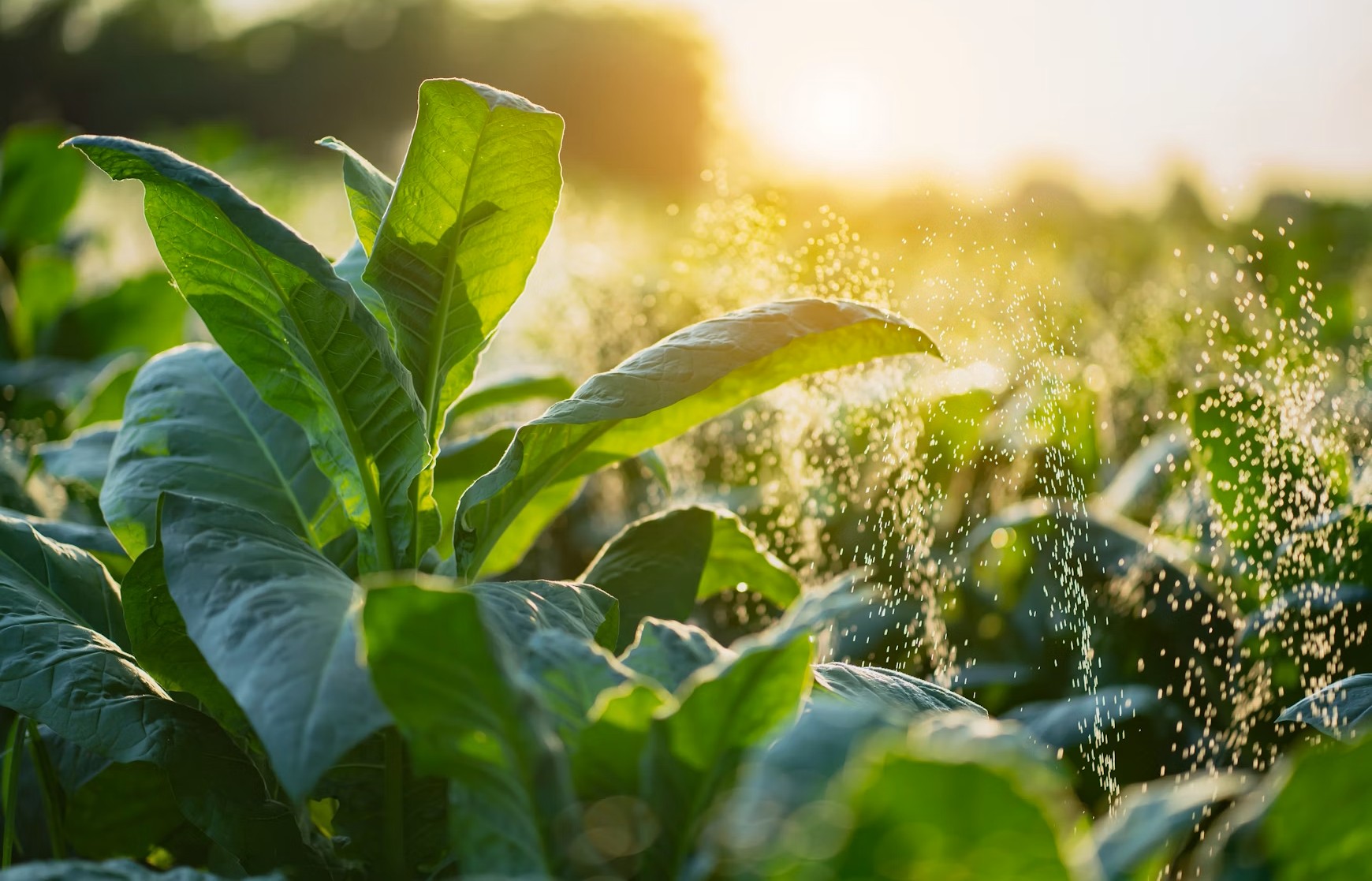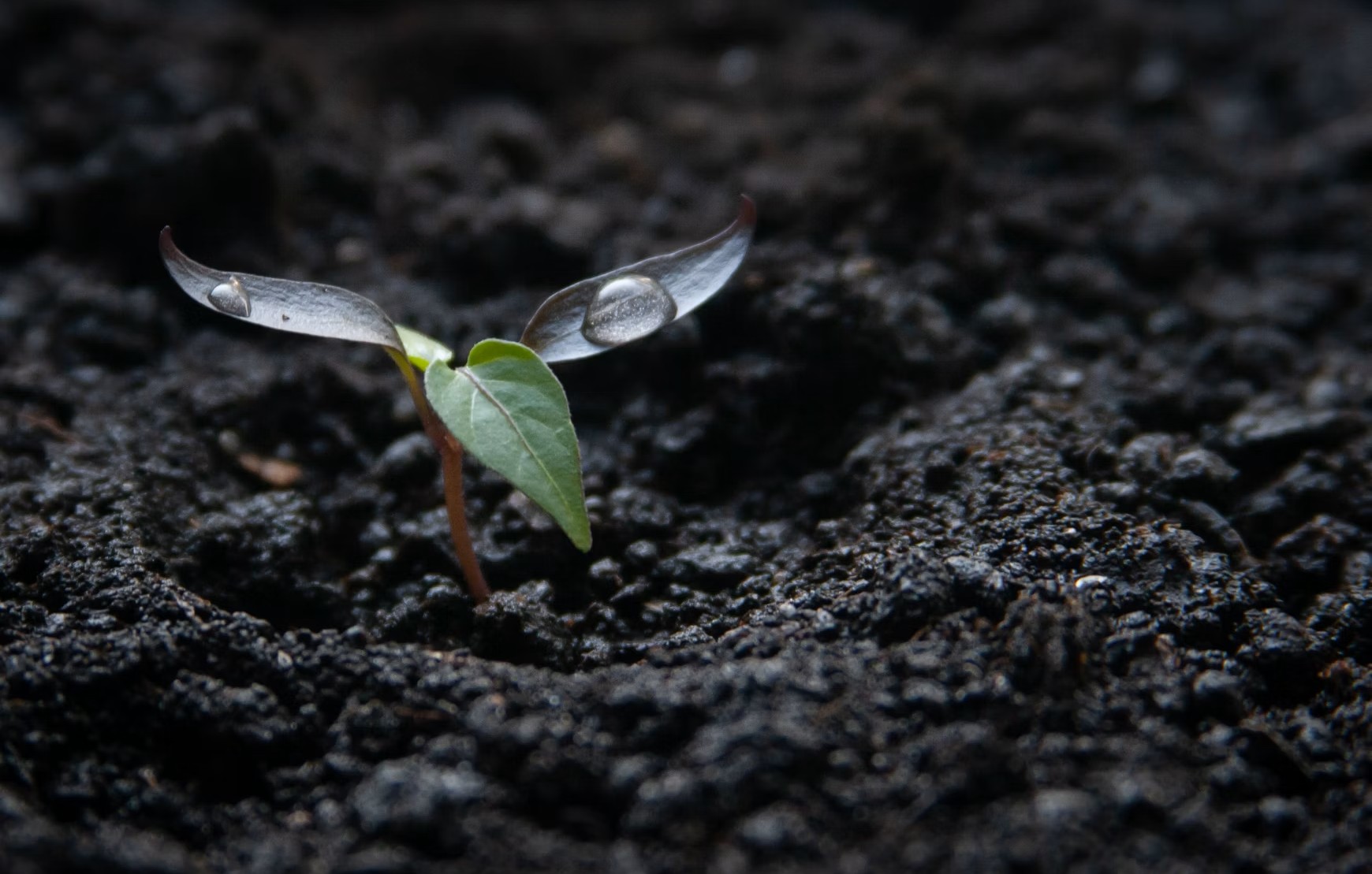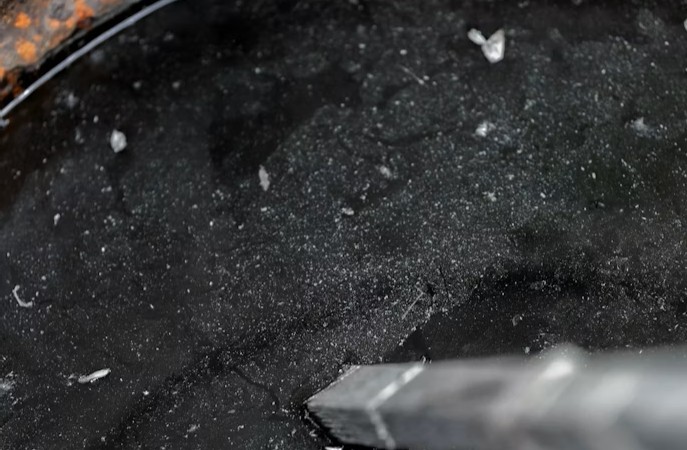
Humic acid is a vital component of soil organic matter, formed through the slow microbial decomposition of plant, animal, and microbial residues in various natural environments, including peat. While peat is indeed a significant and commonly utilized source for humic acid, particularly in commercial and agricultural applications, it is not the sole origin. Humic acid is also found in soils, lignite, leonardite, and aquatic systems, arising from complex humification processes that transform organic materials over decades to millennia.
What is Humic Acid?
Humic acid is a high-molecular-weight, dark-colored organic substance that forms part of the humic substances group, alongside fulvic acid and humin. These substances are the end products of humification, a natural process where microorganisms break down organic matter, such as leaves, roots, and dead organisms, under specific environmental conditions. Humic acid is characterized by its solubility: it dissolves in alkaline solutions (e.g., sodium hydroxide) but precipitates in acidic conditions (pH below 2), distinguishing it from fulvic acid (soluble in both acidic and alkaline conditions) and humin (insoluble in both). It is mainly carbon and oxygen, with smaller amounts of hydrogen and nitrogen. In soil, it can hold nutrients and water, which may help nutrient and moisture retention.
Humic Acid’s Derivation from Peat
Peat, formed in waterlogged, oxygen-poor environments like bogs, marshes, and wetlands, is a major source of humic acid. Peat consists of partially decomposed plant material, primarily sphagnum moss, sedges, and other vegetation, preserved under anaerobic conditions that slow complete decomposition. Over centuries, these conditions promote the accumulation of organic matter, with humic substances making up a large share of peat’s organic content. Humic acid in peat is derived from the breakdown of lignocellulosic components (e.g., cellulose, lignin) in plant tissues, transformed by microbial activity into complex, stable polymers.
Peat’s high organic matter content makes it an ideal raw material for humic acid extraction, particularly for commercial purposes. Regions like northern Europe (e.g., Ireland, Finland), Russia, Canada, and parts of the United States have extensive peatlands, which are often mined for humic acid used in agriculture and horticulture. The humic acid in peat tends to have a higher molecular weight and greater aromaticity (complex carbon structures) compared to soil-derived humic acid, due to the prolonged, oxygen-limited decomposition process in peatlands.
Other Sources of Humic Acid
While peat is a key source, humic acid originates from multiple environments through similar humification processes:
- Soils: The primary natural reservoir, where humic acid forms in the topsoil from decomposing roots, leaves, and microbial biomass. Soil humic acid content varies widely between mineral soils and organic-rich soils.
- Lignite and Leonardite: These are oxidized, coal-like materials derived from ancient peat deposits. Leonardite, a soft, brownish material found near lignite deposits, is particularly rich in humic acid and is widely used in commercial extraction. Leonardite forms over millions of years as peat undergoes geological compression and oxidation.
- Aquatic Systems: Humic acid occurs in rivers, lakes, and oceans, derived from dissolved organic matter (e.g., plant debris washed into water bodies). However, its concentration is lower than in terrestrial sources, making aquatic extraction less common.
- Compost and Manure: Decomposed organic waste, such as compost or animal manure, can also yield humic acid, though its composition differs from peat- or soil-derived humic acid due to shorter decomposition times.
Formation of Humic Acid in Peat
The formation of humic acid in peat begins with the accumulation of plant material in waterlogged environments, where low oxygen levels inhibit complete microbial decomposition. Key processes include:
- Plant Decay: Plants like sphagnum moss, reeds, or sedges die and accumulate in wetlands. Their lignocellulosic components (cellulose, hemicellulose, lignin) serve as the primary organic precursors.
- Microbial Activity: Bacteria, fungi, and actinomycetes partially break down these materials, producing intermediate compounds like polyphenols, polysaccharides, and amino acids.
- Humification: Over time, these intermediates polymerize into complex humic substances through chemical and biological reactions. Humic acid forms as a high-molecular-weight fraction, stabilized by its resistance to further microbial degradation.
- Environmental Conditions: Waterlogged, acidic (pH 3–5), and anaerobic conditions in peatlands slow oxidation, preserving organic matter and favoring humic acid accumulation.
This process can take centuries to millennia, resulting in peat deposits rich in humic acid, with older, deeper layers containing more transformed, stable compounds compared to younger surface layers.
Extraction of Humic Acid from Peat
Extracting humic acid from peat relies on its solubility. An alkaline solution dissolves humic and fulvic acids from the peat, and the solid residue (humin and insoluble matter) is separated. Acidifying the extract precipitates humic acid, while fulvic acid remains in solution. The precipitate is then washed and dried.
For laboratory extraction conditions, see Alkaline-Extracted Humic Acid.
Characteristics
- Peat-derived humic acid often has a higher carbon content and aromaticity, reflecting the prolonged humification in anaerobic conditions.
- Analyze the product using techniques like elemental analysis (C, H, N, O content), Fourier-transform infrared spectroscopy (FTIR) for functional groups, or ultraviolet-visible spectroscopy (UV-Vis) for purity (e.g., E4/E6 ratio).
Applications of Peat-Derived Humic Acid
Peat-derived humic acid is used in several areas:
- Agriculture:
- As a soil conditioner.
- Environmental Science:
- Peatlands store large amounts of carbon and are studied in carbon-cycle research.
- Industry:
- In fertilizer formulations for farming and horticulture.
- Research:
- Characterizing peatland ecosystems to assess their ecological and carbon storage roles.
- Comparing humic acid properties across sources (e.g., peat vs. soil vs. leonardite).
Advantages of Peat as a Source
- High Humic Content: Peat’s high organic matter content makes it a rich source for commercial extraction.
- Consistency: Peat deposits, especially from established bogs, provide uniform material compared to variable soil types.
- Commercial Availability: Peat is widely harvested in regions like Ireland, Canada, and Russia, supporting large-scale production of humic acid products.
Challenges and Considerations
- Environmental Impact: Peat extraction can degrade peatlands, which are critical carbon sinks and biodiversity hotspots. Sustainable harvesting or alternative sources (e.g., leonardite) are increasingly considered.
- Structural Variability: Peat humic acid’s properties depend on the peat’s age, plant composition, and decomposition stage, requiring characterization for specific applications.
- Extraction Challenges:
- Peat’s fibrous nature may clog filters or complicate centrifugation, requiring robust equipment.
- High fulvic acid content in some peats necessitates thorough purification to isolate pure humic acid.
- Oxidation Risk: Prolonged exposure to air during extraction can alter humic acid’s structure, necessitating nitrogen gas or sealed systems.
- Contamination: Impurities like ash or minerals in peat must be removed during pre-treatment to ensure purity.
Alternative Sources and Methods
While peat is a primary source, other materials and methods offer flexibility:
- Leonardite: Rich in humic acid and found near lignite deposits.
- Soils: Require larger samples due to lower organic content but are abundant and widely studied.
- Alternative Extraction:
- Use potassium hydroxide (KOH) instead of NaOH to reduce sodium contamination.
- Apply ultrasound or microwave-assisted extraction to speed up the process, though these may alter humic acid’s structure.
- Use organic solvents (e.g., ethanol) for specific fractions, though less common for humic acid.
Safety Guidelines
- Chemical Handling: NaOH and HCl are corrosive. Wear gloves, goggles, and a lab coat, and work in a fume hood.
- Waste Disposal: Neutralize and dispose of chemical waste per local regulations.
- Equipment Safety: Operate centrifuges and shakers according to guidelines to prevent accidents.
Conclusion
Humic acid, while significantly derived from peat, is a versatile organic substance formed across various environments through humification. Peat’s high organic content makes it a preferred source for commercial and research purposes, with extraction involving alkaline dissolution, acid precipitation, and purification. The resulting humic acid is used in agriculture and industry, but sustainable sourcing is critical due to peatlands’ ecological importance.