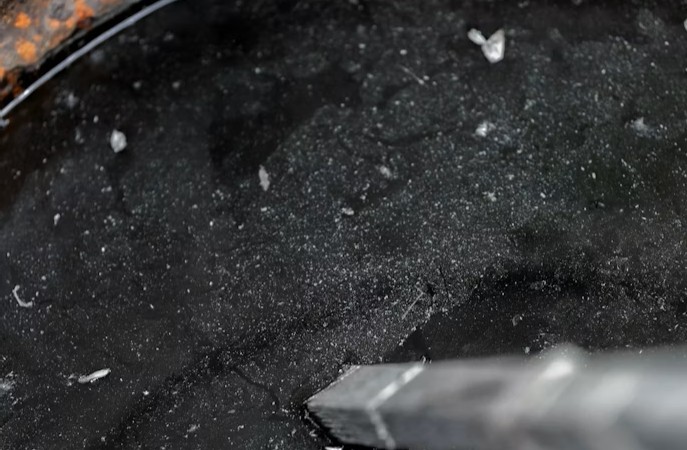
Humic acid (mineral source) is a natural organic polymer. It forms from plant residues over geological time, through decomposition and transformation by microorganisms and a series of physical and chemical processes in the earth. It is an amorphous polymer. Potassium humate is the potassium salt of humic acid obtained from leonardite.
Function of humic acid and potassium Humate
- May help soil aggregate structure
- Can adsorb ammonium ions, which may reduce nitrogen loss
- Can bind (chelate) trace element ions
Humic Acids
Humic acid includes black humic acid, brown humic acid, and fulvic acid. Many people confuse humic acid with potassium humate. Simply put, humic acid is a kind of organic mixture, and potassium humate is its potassium salt, which is soluble in water. It has many functional groups (hydroxyl, carboxyl, methoxy, etc.).
Potassium Humate
What about potassium humate? Potassium humate is divided into two categories from the source:
Mineral potassium humate: the potassium salt of humic acid obtained from leonardite. The humic acid is formed from plant residues over geological time by soil microbial transformation.
Biochemical (bio) fulvic acid is produced by microbial fermentation of plant-derived feedstock, not mined from leonardite. Its composition and test methods differ from mineral products; see the Bio Fulvic Acid page.
From the function point of view: the functional groups of mineral potassium humate can help buffer soil pH, and it can bind (chelate) metal ions.
Functions of potassium Humate
- Soil structure. Humic acid can combine with calcium ions in the soil, which may help form a stable aggregate structure.