









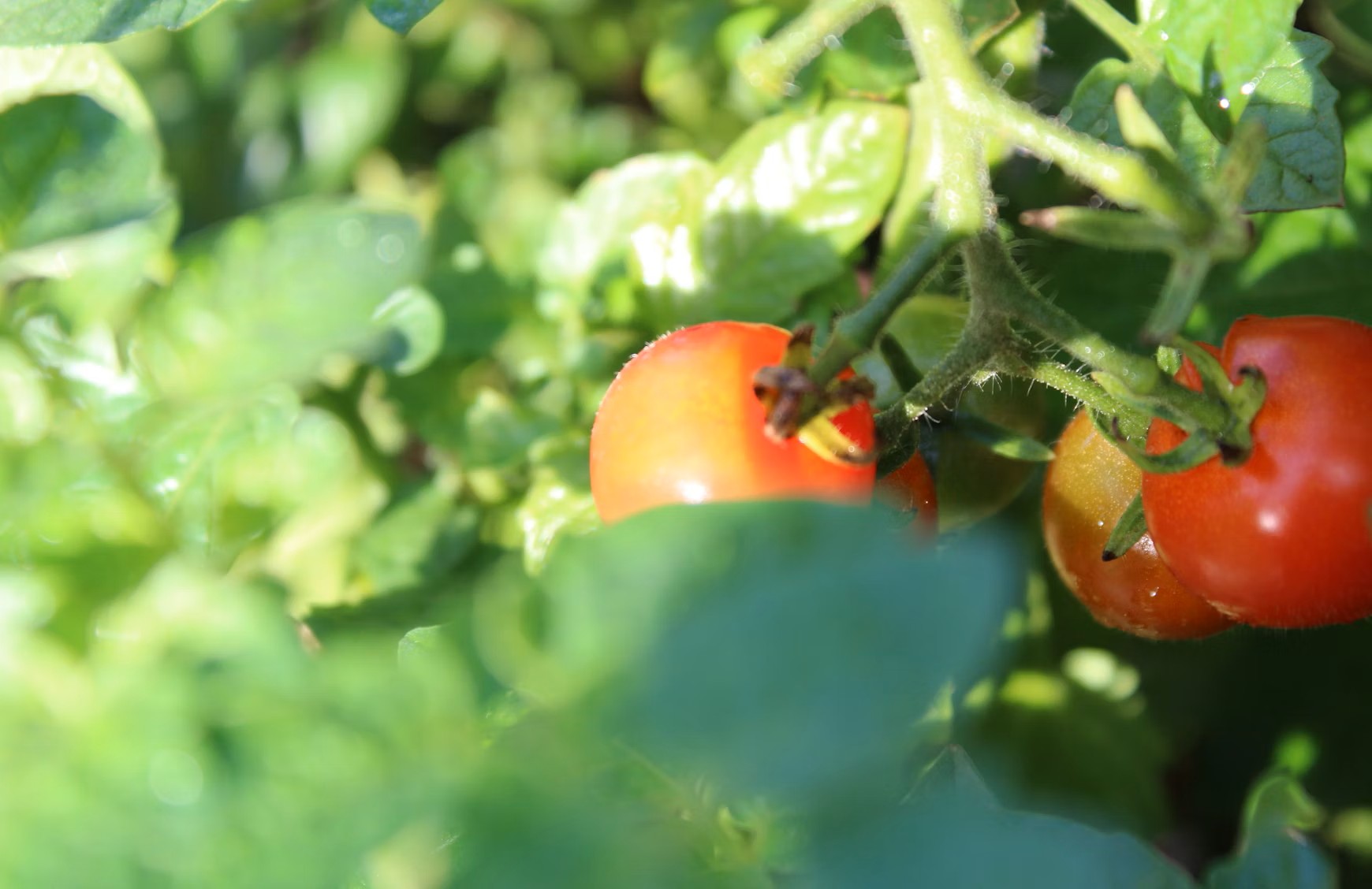
Humate, a natural soil conditioner derived from ancient organic deposits such as leonardite shale, is composed of humic acid, fulvic acid, and humin. These organic compounds enhance soil health, nutrient availability, water retention, and plant resilience, making humate an essential tool for optimizing vegetable garden productivity. Unlike fertilizers, which directly supply nutrients, humate functions as a soil amendment that improves the soil environment to support robust plant growth over time.
Detailed Benefits of Humate for Vegetable Gardens
Humate’s multifaceted contributions to soil and plant health make it particularly valuable for vegetable gardening:
- Soil Structure Optimization:
- Humic acids act as a binding agent, improving soil aggregation in both clay and sandy soils. In clay soils, humate reduces compaction, allowing roots of crops like carrots, radishes, and potatoes to penetrate more easily. In sandy soils, it enhances particle cohesion, reducing erosion and nutrient leaching.
- Improved soil porosity enhances water infiltration and drainage, critical for maintaining consistent moisture levels for water-sensitive crops such as lettuce, celery, and cucumbers. This also minimizes runoff, ensuring efficient use of water and nutrients.
- Enhanced Nutrient Retention and Availability:
- Humate’s chelating properties bind essential macronutrients (nitrogen, phosphorus, potassium) and micronutrients (iron, zinc, magnesium), preventing losses due to leaching or volatilization.
- Research indicates that humate can improve nutrient use efficiency by 15–30%, allowing gardeners to reduce fertilizer applications while maintaining or increasing yields for crops like tomatoes, peppers, and corn.
- By unlocking bound minerals in the soil, humate ensures a steady supply of nutrients, promoting vigorous growth in nutrient-demanding vegetables such as brassicas (e.g., broccoli, cauliflower) and root crops.
- Improved Water-Holding Capacity and Drought Tolerance:
- Fulvic acids increase the soil’s cation exchange capacity (CEC), enabling it to retain moisture more effectively. This is especially beneficial in arid regions or sandy soils, where water retention is challenging.
- Enhanced water-holding capacity reduces irrigation needs by 10–20% for crops like zucchini, melons, and leafy greens, while deeper root systems improve drought resistance.
- Consistent soil moisture supports uniform growth, reducing issues like blossom-end rot in tomatoes or cracking in root vegetables.
- Stimulation of Soil Microbial Activity:
- Humate serves as a carbon source for beneficial soil microorganisms, which decompose organic matter and release nutrients in plant-available forms. This enhances nutrient cycling, reducing reliance on synthetic fertilizers.
- Increased microbial activity can boost seed germination rates by 20–30% for crops like beans, peas, and spinach, and accelerate seedling establishment.
- A thriving soil microbiome suppresses soil-borne pathogens, such as those causing root rot in tomatoes or damping-off in seedlings, improving overall crop health.
- Stress and Disease Mitigation:
- Humate strengthens plant cell walls and enhances metabolic processes, improving resilience to environmental stresses like heat, drought, cold, or transplant shock, which is critical for delicate crops like lettuce or newly transplanted broccoli.
- Applications have been shown to reduce fungal diseases, such as powdery mildew on cucurbits (e.g., cucumbers, squash) or early blight on tomatoes, by promoting vigorous plant growth and balanced soil conditions.
- Healthier plants exhibit improved yield quality, with enhanced flavor, size, and nutritional content in crops like carrots, peppers, and leafy greens.
- Environmental and Aesthetic Benefits:
- As an organic amendment, humate supports sustainable gardening by reducing the need for chemical fertilizers and minimizing nutrient runoff into waterways, protecting local ecosystems.
- Regular use results in lusher foliage, more vibrant fruit colors, and higher marketable yields, enhancing the garden’s aesthetic and functional value.
- Humate contributes to long-term soil fertility, ensuring vegetable gardens remain productive across multiple seasons without degradation.
These benefits typically become evident within 6–12 weeks of application, with cumulative improvements in soil health and crop performance over multiple seasons when humate is used consistently.
Detailed Application Methods and Guidelines
Humate is available in granular, liquid, or blended forms (e.g., combined with calcium, iron, or biochar), suitable for various garden scales and application methods. The following table provides detailed guidelines tailored to vegetable gardens, accounting for different soil types, crop stages, and seasonal considerations:
| Application Context | Recommended Rate | Timing and Frequency | Application Notes |
|---|---|---|---|
| Pre-Planting Soil Preparation | Granular: 15–30 lbs per 1,000 sq. ft.; Liquid: 1–2.5 gal per acre | 1–3 weeks before planting, incorporated into the top 6–12 inches of soil | Mix with compost, manure, or other organic matter during bed preparation. Ideal for new gardens or depleted soils. Till or rake to ensure even distribution, then water thoroughly (0.5–1 inch) to activate. |
| Established Vegetable Gardens | Granular: 10–20 lbs per 1,000 sq. ft.; Liquid: 0.5–1.5 gal per acre | Early spring (March–April), mid-season (June–July), and early fall (September), 2–3 applications per growing season | Apply around plant bases, keeping 1–2 inches from stems to avoid irritation. Use a broadcast spreader for granular forms or a sprayer/watering can for liquids. Pair with balanced fertilizers (e.g., 5-10-10 or 10-10-10 NPK) for heavy feeders like tomatoes or corn. Water post-application to integrate into soil. |
| Seed Starting or Transplants | Granular: 5–10 lbs per 1,000 sq. ft.; Liquid: 1–2 oz per gallon of water as a soil drench or root dip | At seeding or transplanting, with a follow-up application 4–6 weeks later | For seeds (e.g., beans, peas, lettuce), incorporate granular humate into seed beds or rows. For transplants (e.g., peppers, cabbage), use liquid humate as a root dip or drench to reduce transplant shock. Water lightly to maintain soil moisture. |
| Heavy Clay Soils | Granular: 20–35 lbs per 1,000 sq. ft.; Liquid: 2–3 gal per acre | Fall or early spring, ideally before tilling or aeration | Combine with coarse organic matter (e.g., compost, aged manure) to improve drainage and structure. Aeration enhances humate penetration. Monitor for waterlogging and adjust irrigation accordingly. |
| Sandy or Nutrient-Poor Soils | Granular: 15–25 lbs per 1,000 sq. ft.; Liquid: 1–2 gal per acre | Early spring, mid-summer, and early fall, 3–4 applications per season | Apply lighter, more frequent doses to retain nutrients and moisture. Pair with slow-release fertilizers to address nutrient deficiencies. Use mulch to reduce evaporation and enhance humate efficacy. |
Additional Application Tips:
- Soil Testing: Conduct a soil test to determine pH (ideal range: 6.0–7.0 for most vegetables) and nutrient levels. Adjust pH with lime (to raise) or elemental sulfur (to lower) to optimize humate performance.
- Watering: Apply 0.5–1 inch of water after granular applications to incorporate humate into the soil profile. For liquid applications, dilute according to product instructions and apply evenly with a sprayer or watering can.
- Crop Rotation: Rotate crops annually to prevent nutrient depletion and disease buildup. Humate supports soil recovery between plantings of heavy feeders (e.g., tomatoes, corn) and lighter feeders (e.g., lettuce, radishes).
- Equipment Calibration: Calibrate spreaders or sprayers to ensure uniform application, preventing over- or under-dosing, which can lead to uneven growth or wasted product.
- Seasonal Timing: Apply humate when soil temperatures are above 45°F to ensure microbial activity and nutrient uptake. Avoid applications during extreme heat (above 85°F) or when plants are dormant, as efficacy is reduced.
Crop-Specific Recommendations
Different vegetable crops benefit from humate in unique ways, tailored to their growth habits and nutrient demands:
- Root Crops (Carrots, Beets, Radishes, Potatoes): Humate improves soil structure, allowing straighter, larger roots and enhancing sweetness through increased nutrient uptake. Apply at planting and mid-season to support root development.
- Leafy Greens (Lettuce, Spinach, Kale, Swiss Chard): Promotes lush foliage, vibrant color, and faster growth by enhancing nitrogen availability. Use lighter applications to avoid excessive vegetative growth at the expense of flavor.
- Fruiting Crops (Tomatoes, Peppers, Eggplants, Cucumbers, Squash): Enhances fruit size, flavor, and yield by improving nutrient and water uptake during flowering and fruit set. Apply at transplanting and during early fruit development.
- Legumes (Beans, Peas): Boosts nodulation and nitrogen fixation by fostering microbial activity in the root zone, leading to higher yields and healthier plants. Incorporate at planting and follow up 4–6 weeks later.
- Alliums (Onions, Garlic, Leeks): Supports bulb development and flavor intensity by improving soil structure and nutrient availability. Apply during soil preparation and early growth stages.
- Brassicas (Broccoli, Cauliflower, Cabbage): Enhances head formation and nutrient content through improved calcium and micronutrient uptake. Use humate with balanced fertilizers to meet high nutrient demands.
Practical Considerations and Safety
Humate is an organic, environmentally safe product, often OMRI-listed for organic gardening, and poses minimal risk to humans, pets, pollinators, or wildlife when used as directed. Key considerations include:
- Complementary Use: Humate enhances nutrient availability but does not replace fertilizers. Pair it with organic fertilizers (e.g., composted manure, fish emulsion) or synthetic blends tailored to crop needs (e.g., high-phosphorus for root crops, high-potassium for fruiting crops).
- Soil Type Variability: Clay soils require higher initial rates to improve drainage and structure, while sandy soils benefit from more frequent, lighter applications to retain nutrients and moisture.
- Additive Awareness: Some humate products contain additives like iron, calcium, or sulfur, which may cause temporary staining on hardscapes (e.g., patios, walkways) or minor leaf burn if misapplied to sensitive crops like lettuce. Rinse spills promptly and avoid foliar application unless specified by the product.
- Storage: Store humate in a cool, dry place to prevent degradation, clumping, or mold growth in granular forms. Seal liquid containers tightly to maintain potency.
- Environmental Impact: Humate’s organic nature minimizes nutrient runoff and supports sustainable gardening practices, making it ideal for eco-conscious gardeners.
Long-Term Vegetable Garden Strategy
To maximize humate’s benefits, integrate it into a holistic garden management plan:
- Year 1: Soil Building:
- Apply humate during initial bed preparation, combining it with organic matter like compost, aged manure, or cover crop residues. Use 2–3 applications during the growing season to establish soil health.
- Focus on crops with moderate nutrient demands (e.g., leafy greens, beans) to assess humate’s impact while improving soil structure.
- Year 2 and Beyond: Maintenance:
- Reduce application frequency to 1–2 times per season as soil health improves, guided by soil tests to monitor nutrient levels and pH.
- Introduce heavy feeders as soil fertility stabilizes, using humate to support their nutrient demands.
- Maintain crop rotation to prevent pest and disease buildup, with humate aiding soil recovery between plantings.
- Complementary Practices:
- Use drip irrigation or soaker hoses to maintain consistent soil moisture, enhancing humate’s water-retention benefits.
- Apply organic mulch (e.g., straw, wood chips) to reduce evaporation, suppress weeds, and complement humate’s soil-building effects.
- Incorporate cover crops (e.g., clover, rye) in the off-season to add organic matter, with humate accelerating decomposition and nutrient release.
- Monitoring and Adjustment:
- Regularly assess soil health through visual inspection (e.g., crumbly texture, earthworm activity) and periodic soil tests (every 1–2 years).
- Adjust humate rates based on crop performance, soil type, and environmental conditions (e.g., increase applications in drought years).
Conclusion
Humate is a versatile, scientifically supported soil amendment that significantly enhances vegetable garden productivity by improving soil structure, nutrient availability, water retention, and microbial activity. Its organic nature and long-term benefits make it ideal for sustainable gardening, supporting healthier plants, higher yields, and better-quality produce across a wide range of crops. By following precise application guidelines, tailoring rates to soil and crop needs, and integrating humate into a comprehensive garden management plan, growers can achieve robust, resilient vegetable gardens. For tailored advice, product recommendations, or soil testing, consult local agronomic resources, cooperative extension services, or trusted suppliers.
2 responses to “Humate for vegetable gardens”
尖端资源,价值百万,一网打尽,瞬间拥有!多重收益,五五倍增,八级提成,后劲无穷!摸币网,最嚣张的上线替下线赚钱网站:https://1925.mobi/
This is exactly the kind of content our community needs right now 🎯