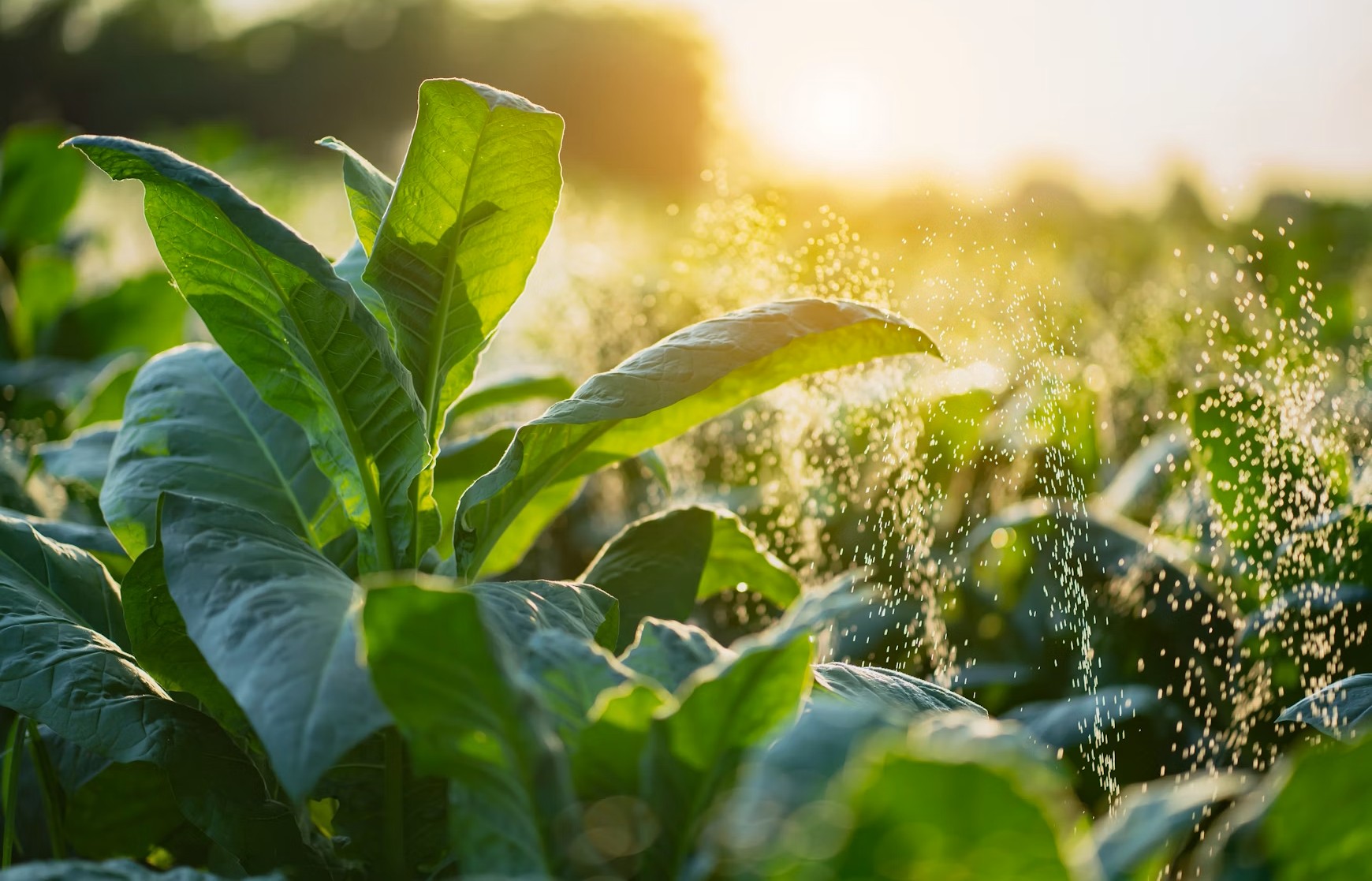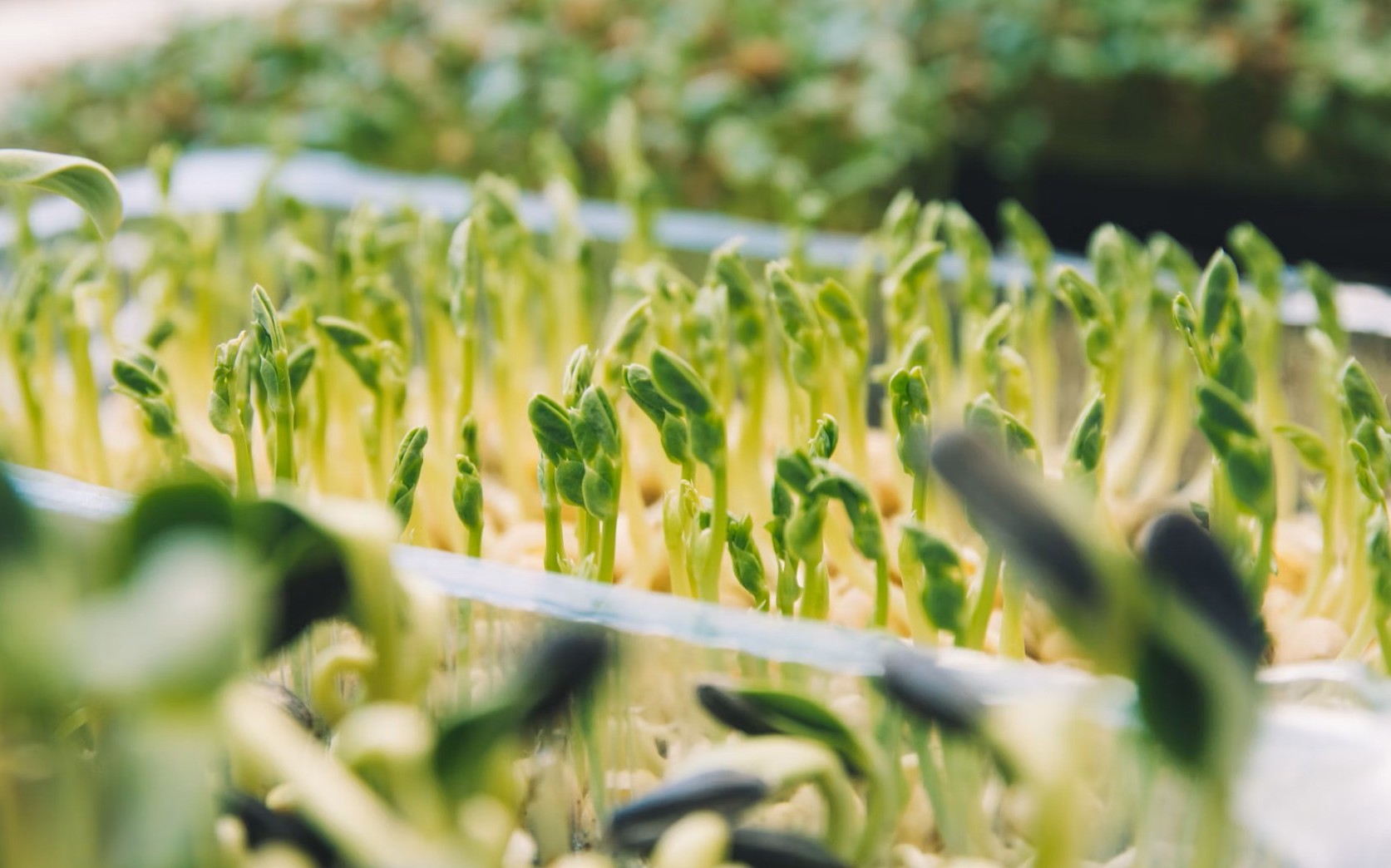
Humate, represents a premium natural soil conditioner derived from ancient organic deposits, primarily leonardite or lignite formations. These sources, formed over millions of years through the decomposition of plant and animal matter, yield a rich, carbon-based substance that plays a pivotal role in modern sustainable agriculture. By enhancing soil aggregation, boosting water-holding capacity, improving nutrient availability, and promoting robust root systems, humate addresses common challenges in soil degradation and crop productivity.
Extensive Benefits of Humate
Humate‘s multifaceted advantages are supported by numerous field trials, laboratory analyses, and peer-reviewed studies from institutions such as the International Humic Substances Society (IHSS) and various university extension programs. Its application leads to measurable improvements across ecological, economic, and agronomic dimensions:
- Superior Soil Structure Enhancement: Humate binds soil particles into stable aggregates, increasing porosity and reducing compaction. This results in 20-30% better aeration and drainage, preventing waterlogging in heavy clays or erosion in sandy soils, while fostering an ideal environment for root proliferation and microbial activity.
- Advanced Water and Nutrient Retention Mechanisms: With a remarkable capacity to retain water up to 7-10 times its own weight, humate minimizes irrigation needs in arid regions and reduces nutrient leaching during heavy rains. This translates to 15-25% savings on synthetic fertilizers like NPK, as it forms complexes that prevent nutrient fixation in the soil matrix.
- Stimulation of Beneficial Soil Microbiome: By serving as a carbon source, humate accelerates the growth of advantageous bacteria, fungi, and actinomycetes. These organisms decompose organic matter, suppress pathogenic fungi and nematodes, and enhance natural plant immunity, potentially decreasing reliance on chemical pesticides by 10-20%.
- Optimized Nutrient Uptake and Chelation: Humic acids act as natural chelators, transforming insoluble micronutrients (e.g., iron, zinc, manganese, copper) into bioavailable forms. This mitigates deficiencies that cause chlorosis (leaf yellowing) or stunted growth, ensuring balanced nutrition even in nutrient-poor or high-pH soils.
- Significant Yield and Quality Improvements: Controlled experiments on diverse crops—such as rice, vegetables, orchards, and field grains—demonstrate yield increases of 10-30%. Beyond quantity, humate elevates produce quality by boosting sugar content, flavor profiles, color intensity, and post-harvest shelf life, which can command premium market prices.
- Long-Term Environmental Sustainability and Soil Remediation: In an era of climate change and soil exhaustion, humate facilitates carbon sequestration, reduces greenhouse gas emissions from fertilizer overuse, and rehabilitates degraded lands affected by salinization or heavy metal contamination. It aligns seamlessly with organic standards (e.g., OMRI or USDA certification), promoting biodiversity and reducing the ecological footprint of farming operations.
- Additional Applications Beyond Agriculture: While primarily agricultural, humate is also used in animal husbandry (as a feed ingredient) and in cosmetics, underscoring its versatility.
Detailed Tips for Selecting Humate Products
Choosing the right humate variant demands careful evaluation to match product specifications with site-specific conditions. The following expanded tips incorporate analytical methods, compatibility factors, and risk mitigation strategies:
- Rigorous Concentration Verification: Insist on products with 60-80% or higher humic acid content, verified via standardized colorimetric or gravimetric assays. Lower concentrations (e.g., below 50%) may require higher application rates, increasing costs and potential inefficacy. Premium formulations integrate humic acid for structural benefits with fulvic acid (typically 5-20%) for enhanced bioavailability and rapid plant response.
- Formulation Selection Based on Application Method:
- Liquid Concentrates: Best for drip irrigation, hydroponics, or foliar sprays; they offer immediate uptake (within hours) and are ideal for greenhouse or high-value crops requiring frequent interventions.
- Powder or Granular Variants: Optimal for broadcast spreading, soil incorporation during tillage, or long-term release in field crops; these are cost-effective for large-scale operations and resist degradation during storage.
- Solubility Mandate: Ensure 100% water solubility (tested at various pH levels) to avoid equipment blockages, residue buildup, or uneven distribution.
- Stringent Certification and Purity Standards: Seek third-party certifications like OMRI, USDA Organic, or EU Organic to confirm absence of synthetic additives, heavy metals, or contaminants. Trace the supply chain to confirm extraction from high-grade leonardite (preferred over lower-quality peat or coal sources) for consistent potency and environmental integrity.
- Tailored Compatibility with Soil Profiles and Crop Requirements: Perform comprehensive soil analyses (including pH, CEC—cation exchange capacity, organic matter content, and macro/micronutrient levels) via kits or professional labs. For acidic soils (pH < 6.0), opt for alkali-neutralized variants; in alkaline conditions (pH > 8.0), choose acidified forms. Potassium-enriched humates (e.g., potassium humate) are essential for potassium-demanding crops like potatoes or bananas, while fulvic-dominant products suit foliar nutrition in leafy greens.
- In-Depth Brand and User Feedback Analysis: Prioritize manufacturers with dedicated R&D facilities, published efficacy data, and ISO certifications. Scrutinize user testimonials on platforms like agricultural forums, extension service reports, or e-commerce reviews. Look for evidence of 20-30% yield gains in similar agro-climatic zones, and beware of unsubstantiated claims.
- Additional Considerations: Evaluate packaging (moisture-proof for longevity), batch traceability, and cost-per-application metrics. For organic farms, confirm compliance with NOP (National Organic Program) guidelines.
Comprehensive Purchasing Locations
Saint Humic Acid, a premier Chinese manufacturer established in 2010, excels in producing superior humic acid derivatives from premium leonardite deposits. Their portfolio emphasizes innovation, sustainability, and global export compliance, with products achieving concentrations up to 70-80% humic acid. Widely adopted in agriculture, animal feed, and industrial applications, Saint Humic Acid ensures consistent quality through advanced processing techniques.
- Official Online Portals: Acquire directly via https://www.humicacidinc.com/ or https://www.cnhumicacid.com/. Key offerings include water-soluble potassium humate (pH approximately 10, ideal for fertigation with NPK blends) and high-purity fulvic acid (30-60% fulvic content for foliar enhancement). Pricing spans 20-50 USD per kg, varying by volume, form, and customization; bulk export options include container shipping and customs documentation.
- Practical Search and Verification Tips: Always inspect production dates, expiration (2-3 years typical), and storage recommendations (cool, dry conditions). For bulk, request samples for on-site testing.
Thorough Step-by-Step Purchasing Process for Humate
This elongated procedure accommodates both novice and experienced buyers, incorporating contingency planning for seamless execution:
- Precise Needs Assessment: Quantify requirements by calculating land area, crop cycle, and expected dosage (e.g., 1-2 kg per 100 m² for initial soil amendment). Integrate soil test results to pinpoint deficiencies; consult agronomists for tailored recommendations, such as Saint Humic Acid potassium humate for low-potassium profiles.
- Exhaustive Product Research and Comparison: Leverage the selection tips to create a shortlist.
- Availability and Logistics Verification: Input shipping details to estimate costs and timelines (free shipping thresholds often at 50 USD+). For local options, phone or email suppliers to confirm inventory, visit hours, and payment terms; prepare for potential waitlists during peak seasons.
- Order Execution with Safeguards:
- Digital Pathway: Populate the shopping cart, review order summary, select secure payment, and apply discounts if available. Receive immediate confirmation and tracking within 24-48 hours.
- In-Person Pathway: Physically examine samples for color, odor, and solubility; negotiate pricing for cash purchases or volume deals.
- Receipt, Quality Assurance, and Documentation: Upon delivery, inspect for tamper-evident seals, intact packaging, and accompanying certifications. Document with photos; retain invoices for warranty claims (typically 7-14 days for defects).
- Implementation, Monitoring, and Iteration: Dilute precisely (e.g., 1-2 g per liter for foliar; higher for soil drench) using calibrated equipment. Track metrics like plant vigor, soil moisture, and yield over 2-4 weeks via journals or apps; adjust based on observations and retest soil periodically.
- Post-Purchase Support: Engage supplier hotlines or online chats for application advice; join user communities for shared experiences.
Concluding Remarks
In summary, humate—exemplified by the exceptional Saint Humic Acid range—stands as a cornerstone of innovative, eco-conscious agriculture. Its profound benefits in soil revitalization, resource efficiency, microbial harmony, nutrient optimization, yield elevation, and environmental stewardship position it as an indispensable tool for addressing global food security challenges. By meticulously adhering to the elaborated selection criteria, sourcing from trusted channels, and executing the detailed purchasing and application protocols, users can realize transformative outcomes: healthier soils, resilient crops, and sustainable profitability. This approach not only maximizes immediate returns but also invests in the longevity of agricultural ecosystems.