









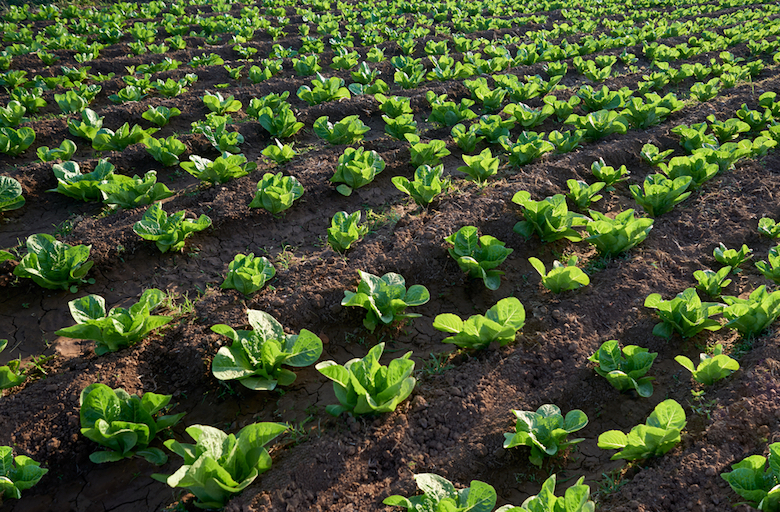
Potassium humate is a natural, organic substance widely used in agriculture to improve soil health, enhance nutrient uptake, and support robust plant growth. Derived from decomposed organic matter, such as leonardite or lignite, it is rich in humic and fulvic acids, which play a critical role in making soils more fertile and plants healthier. Its ability to improve nutrient availability, strengthen roots, and promote sustainable farming practices makes it a valuable tool for farmers and gardeners.
What is Potassium Humate?
Potassium humate is a dark, powdery, granular, or liquid substance formed from the natural breakdown of ancient plant and animal matter over thousands of years. It is typically extracted from leonardite, a type of soft coal rich in organic compounds. The key components of potassium humate are humic and fulvic acids, which act like natural fertilizers and soil conditioners. These acids help plants absorb nutrients more effectively, improve soil quality, and support eco-friendly farming. In agriculture, potassium humate is prized for its ability to boost crop yields, enhance plant resilience, and reduce the need for excessive chemical fertilizers, making it a cornerstone of sustainable farming practices.
Key Roles of Potassium Humate in Agriculture
- Improving Nutrient Availability:
- Plants need nutrients like nitrogen, phosphorus, potassium, and micronutrients (e.g., iron, zinc, magnesium) to grow strong and produce good yields. However, these nutrients can wash away in rain, get locked in the soil, or become unavailable due to poor soil conditions. Potassium humate helps by holding onto these nutrients and keeping them in a form that plant roots can easily absorb.
- For example, when applied to fields growing crops like corn or tomatoes, potassium humate ensures that nutrients stay near the roots, reducing waste and helping plants grow healthier with less fertilizer.
- Enhancing Soil Structure:
- Healthy soil is loose, well-aerated, and capable of holding water and nutrients. Potassium humate improves soil texture by making it less compact, allowing roots to grow more easily and access more resources. In sandy soils, it helps retain water and nutrients that would otherwise drain away. In heavy clay soils, it prevents nutrients from becoming trapped, making them available to plants.
- Better soil structure also means better water retention, which is crucial in dry regions or during droughts, ensuring crops like wheat or vegetables have consistent access to nutrients and moisture.
- Supporting Beneficial Soil Microbes:
- Soil is full of tiny organisms like bacteria and fungi that help break down organic matter and release nutrients for plants. Potassium humate provides organic carbon, which acts as food for these microbes, boosting their activity and numbers.
- With more active microbes, the soil becomes a nutrient-rich environment, making it easier for crops like soybeans or rice to absorb what they need. This natural process supports long-term soil fertility, reducing the need for synthetic inputs.
- Encouraging Stronger Roots:
- Potassium humate promotes the growth of bigger, bushier root systems, which allow plants to reach deeper into the soil for water and nutrients. Stronger roots help plants withstand challenges like drought, wind, or poor soil conditions.
- For crops like potatoes, carrots, or fruit trees, this means better growth, higher yields, and improved resistance to environmental stress. For example, farmers using potassium humate on orchards often report larger, healthier fruits due to enhanced root development.
- Preventing Nutrient Loss:
- In areas with heavy rainfall or frequent irrigation, nutrients like nitrogen and phosphorus can wash out of the soil before plants can use them. Potassium humate binds these nutrients, keeping them in the root zone and ensuring a steady supply for plants.
- This is especially beneficial in tropical regions or irrigated fields, where nutrient leaching is a common problem, helping crops like rice or sugarcane maintain consistent growth.
- Balancing Soil pH:
- Soil that is too acidic or too alkaline can make it hard for plants to absorb certain nutrients. Potassium humate helps adjust soil pH to a more neutral range, where nutrients like iron, manganese, or calcium are more available.
- For example, in acidic soils common in tropical areas, potassium humate can improve nutrient availability for crops like bananas or coffee, leading to healthier plants and better harvests.
- Boosting Plant Growth and Stress Resistance:
- When sprayed on leaves as a foliar application, potassium humate is absorbed directly by plants, providing a quick nutrient boost and stimulating growth processes. It helps plants produce more leaves, flowers, or fruits and strengthens their ability to handle stresses like drought, pests, or diseases.
- For instance, grapevines or citrus trees treated with potassium humate often produce larger, tastier fruits and recover more quickly from environmental challenges.
- Increasing Fertilizer Efficiency:
- Potassium humate makes fertilizers work better by ensuring more nutrients reach the plant rather than being lost to the environment. This allows farmers to use less fertilizer while achieving the same or better results, saving money and reducing environmental impact.
- For example, mixing potassium humate with nitrogen fertilizers can improve yields in crops like wheat or maize by ensuring more nitrogen is absorbed by the plants.
- Supporting Seed Germination and Early Growth:
- Soaking seeds in a potassium humate solution before planting can improve germination rates and encourage stronger early root growth. This gives crops a head start, leading to healthier plants and better yields.
- This method is particularly effective for crops like beans, peas, or sunflowers, where early vigor is critical for success.
Practical Applications in Agriculture
Potassium humate is versatile and can be used in various ways to suit different crops, climates, and farming systems. Common application methods include:
- Soil Application:
- Spread potassium humate granules or powder on the soil or mix it into the top layer before planting. Typical rates are 5–20 kg per hectare for large fields or a handful per square meter for small gardens. This improves soil health and nutrient availability over time, benefiting crops like cereals, vegetables, or legumes.
- For example, applying potassium humate to potato fields can enhance soil structure and nutrient retention, leading to larger tubers.
- Foliar Spray:
- Dissolve potassium humate in water (typically 1–2 grams per liter, per product instructions) and spray it on plant leaves. This provides a quick nutrient boost, especially during growth stages like flowering or fruiting.
- Foliar sprays work well for leafy greens, orchards, or vineyards, where rapid nutrient uptake improves quality and yield.
- Seed Treatment:
- Soak seeds in a diluted potassium humate solution for a few hours before planting. This enhances germination and early root growth, giving crops like corn or beans a strong start.
- Irrigation Systems:
- Add potassium humate to irrigation water (fertigation) to deliver nutrients directly to the root zone. This is common in drip irrigation systems for crops like strawberries, tomatoes, or roses.
- Combination with Fertilizers:
- Mix potassium humate with granular or liquid fertilizers, such as urea or NPK blends, to improve their effectiveness. Always test compatibility to ensure proper mixing.
- For instance, combining potassium humate with phosphorus fertilizers can enhance root development in crops like carrots or onions.
Benefits for Different Crops and Farming Systems
- Vegetable Crops:
- Crops like tomatoes, cucumbers, lettuce, and peppers benefit from potassium humate through increased yields, better quality, and improved resistance to stress. For example, tomato plants treated with potassium humate often produce larger, juicier fruits.
- Field Crops:
- Wheat, rice, corn, and barley show improved growth and yields in potassium humate-treated soils, especially in nutrient-poor or drought-prone areas. Farmers report stronger plants and higher grain quality.
- Fruit Orchards and Vineyards:
- Apples, citrus, grapes, and mangoes produce larger, tastier fruits when potassium humate is used. It enhances nutrient uptake and helps trees recover from stress, such as heat or pest damage.
- Greenhouses and Hydroponics:
- In controlled environments, potassium humate can be added to nutrient solutions to improve plant health and growth rates, benefiting crops like herbs, lettuce, or strawberries.
- Organic Farming:
- As a natural product, potassium humate is a staple in organic agriculture, supporting soil fertility and reducing reliance on synthetic fertilizers. It’s widely used for organic vegetables, fruits, and herbs.
- Turf and Ornamentals:
- Potassium humate is used in landscaping and turf management to improve grass health, enhance root growth, and create lush lawns or vibrant flower beds.
Advantages for Farmers, Gardeners, and the Environment
- Cost-Effective:
- By improving fertilizer efficiency and reducing nutrient loss, potassium humate helps farmers save on input costs while maintaining or increasing yields. This is especially valuable for small-scale farmers with limited budgets.
- Higher Yields and Quality:
- Crops grown with potassium humate often produce more and better-quality produce, increasing profitability.
- For example, vegetable farmers report larger, more marketable produce, while fruit growers see improved flavor and shelf life.
- Sustainable Farming:
- Potassium humate supports eco-friendly practices by improving soil health naturally, reducing the need for chemical fertilizers, and minimizing nutrient runoff that can pollute rivers and lakes.
- Versatility:
- It can be used in diverse climates (tropical, temperate, or arid), soil types (sandy, clay, or loamy), and farming systems (conventional, organic, or hydroponic), making it a flexible tool for growers worldwide.
- Ease of Use:
- Available in powder, granule, or liquid forms, potassium humate is easy to apply and compatible with most agricultural practices, from manual spreading to mechanized irrigation systems.
Considerations for Effective Use
- Proper Dosage:
- Follow product guidelines or consult local agricultural experts to avoid overapplication, which could lead to nutrient imbalances. Typical rates vary by crop and soil type, so start with recommended amounts.
- Soil Testing:
- Test soil pH and nutrient levels before applying potassium humate to identify specific needs. For example, acidic soils may need additional pH correction alongside humate use.
- Quality of Product:
- Choose high-quality potassium humate with a high concentration of humic and fulvic acids for maximum effectiveness. Low-quality products may contain fillers that reduce benefits.
- Crop-Specific Needs:
- Different crops respond differently to potassium humate. Leafy greens like spinach may need less than fruiting crops like melons or berries, so tailor applications accordingly.
- Timing:
- Apply during key growth stages, such as planting, flowering, or fruiting, to maximize benefits. For example, foliar sprays are most effective during early growth or when plants are stressed.
- Storage:
- Store potassium humate in a dry, cool place to maintain its effectiveness. Avoid exposure to moisture, which can cause clumping or degradation.
Real-World Examples and Success Stories
- Vegetable Farming:
- In trials with cucumbers, tomatoes, and eggplants, potassium humate increased yields by 10–25% by improving nutrient uptake and soil health, especially in sandy or low-fertility soils.
- Orchards:
- Citrus and apple orchards treated with potassium humate have shown larger, higher-quality fruits and fewer nutrient deficiencies, even in challenging climates.
- Cereal Crops:
- Wheat and rice farmers in drought-prone areas report better yields and stronger plants when using potassium humate, thanks to improved water and nutrient retention.
- Organic Farming:
- Organic vegetable growers use potassium humate to build soil fertility naturally, producing healthier crops without synthetic fertilizers. For example, organic lettuce farms report greener, crisper leaves.
- Turf Management:
- Golf courses and sports fields use potassium humate to create lush, resilient turf that withstands heavy foot traffic and environmental stress.
Challenges and Limitations
- Variable Results:
- The effectiveness of potassium humate depends on soil type, crop, and application method. It may not produce significant results in already fertile soils or if applied incorrectly.
- Initial Cost:
- While cost-effective over time, the upfront cost of potassium humate may be a barrier for small-scale farmers or gardeners with limited budgets.
- Learning Curve:
- Farmers new to potassium humate may need guidance on proper application to achieve the best results. Consulting agricultural extension services or product suppliers can help.
- Availability:
- In some regions, high-quality potassium humate may be hard to find, requiring farmers to source from reputable suppliers to ensure effectiveness.
Conclusion
Potassium humate is a powerful, natural tool for modern agriculture, offering a wide range of benefits for soil health, nutrient uptake, and plant growth. By improving soil structure, supporting beneficial microbes, promoting stronger roots, and reducing nutrient loss, it helps farmers and gardeners grow healthier, more productive crops. Its versatility, cost-effectiveness, and alignment with sustainable farming practices make it suitable for diverse crops and systems, from small organic gardens to large commercial farms. To maximize its benefits, apply potassium humate thoughtfully based on soil and crop needs, follow recommended guidelines, and source high-quality products. By incorporating potassium humate into their practices, growers can enhance crop yields, improve quality, and contribute to a more sustainable agricultural future. For tailored advice, consult local agricultural experts or product labels specific to your region and crops.