Potassium humate is a natural, organic substance used in agriculture as a soil conditioner and to support nutrient uptake. Derived from decomposed organic matter, such as leonardite or lignite, it is rich in humic and fulvic acids, which are part of soil organic matter and relevant to soil fertility and nutrient availability. It is used by growers and gardeners as part of sustainable farming practices.
What is Potassium Humate?
Potassium humate is a dark, powdery, granular, or liquid substance formed from the natural breakdown of ancient plant and animal matter over thousands of years. It is typically extracted from leonardite, a type of soft coal rich in organic compounds. The key components of potassium humate are humic and fulvic acids, which act like natural fertilizers and soil conditioners. These acids may help plants absorb nutrients and can improve soil quality. In agriculture, potassium humate is used as part of sustainable farming practices.
Key Roles of Potassium Humate in Agriculture
- Improving Nutrient Availability:
- Plants need nutrients like nitrogen, phosphorus, potassium, and micronutrients (e.g., iron, zinc, magnesium) to grow. However, these nutrients can wash away in rain, get locked in the soil, or become unavailable due to poor soil conditions. Potassium humate can help by holding onto these nutrients and keeping them in a form that plant roots can easily absorb.
- Enhancing Soil Structure:
- Healthy soil is loose, well-aerated, and capable of holding water and nutrients. Potassium humate can improve soil texture by making it less compact, allowing roots to grow more easily and access more resources. In sandy soils, it helps retain water and nutrients that would otherwise drain away. In heavy clay soils, it may help keep nutrients available to plants.
- Better soil structure can also improve water retention, which matters in dry regions or during droughts.
- Supporting Beneficial Soil Microbes:
- Soil is full of tiny organisms like bacteria and fungi that help break down organic matter and release nutrients for plants. Potassium humate provides organic carbon, which can act as food for these microbes and support their activity.
- Active soil microbes are part of nutrient cycling and long-term soil fertility.
- Preventing Nutrient Loss:
- In areas with heavy rainfall or frequent irrigation, nutrients like nitrogen and phosphorus can wash out of the soil before plants can use them. Potassium humate can bind some of these nutrients and help keep them in the root zone.
- This is relevant in tropical regions or irrigated fields, where nutrient leaching is a common problem.
- Balancing Soil pH:
- Soil that is too acidic or too alkaline can make it hard for plants to absorb certain nutrients. Potassium humate can help buffer soil pH, which affects how available nutrients like iron, manganese, or calcium are.
- Foliar Use:
- Potassium humate can also be sprayed on leaves as a foliar application.
- Fertilizer Efficiency:
- Because it can hold ammonium and potassium ions, potassium humate may reduce nutrient losses from fertilizers.
- Seed Soaking:
- Seeds can be soaked in a potassium humate solution before planting.
Practical Applications in Agriculture
Potassium humate is versatile and can be used in various ways to suit different crops, climates, and farming systems. Common application methods include:
- Soil Application:
- Spread potassium humate granules or powder on the soil or mix it into the top layer before planting. Application rates depend on crop, soil and formulation; ask us for technical guidance and run a small trial first.
- Foliar Spray:
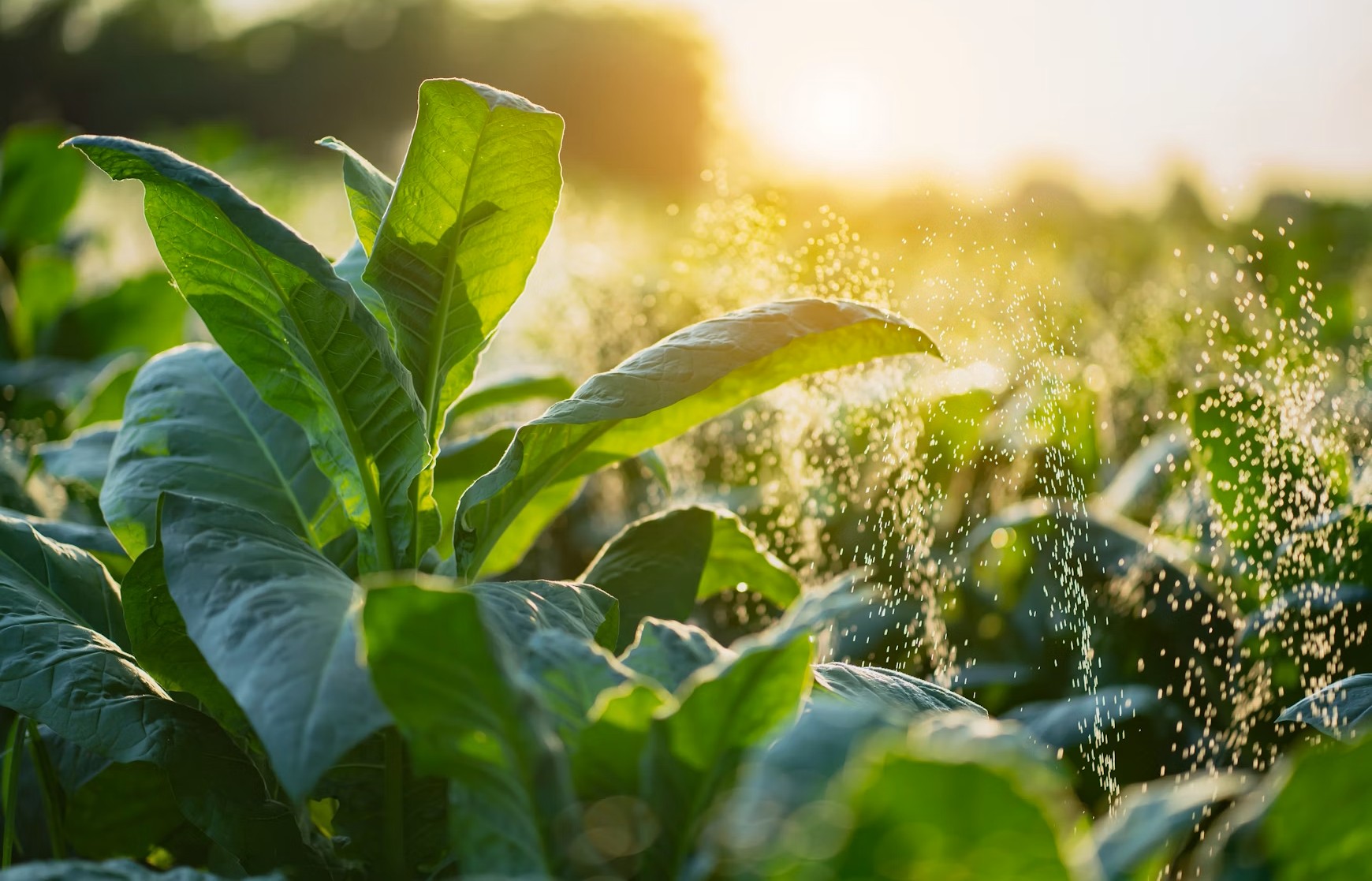
- Dissolve potassium humate in water and spray it on plant leaves, often during growth stages like flowering or fruiting.
- Foliar sprays are used on leafy greens, orchards, or vineyards.
- Seed Treatment:
- Soak seeds in a diluted potassium humate solution before planting.
- Irrigation Systems:
- Add potassium humate to irrigation water (fertigation) to deliver nutrients directly to the root zone. This is common in drip irrigation systems for crops like strawberries, tomatoes, or roses.
- Combination with Fertilizers:
- Mix potassium humate with granular or liquid fertilizers, such as urea or NPK blends. Always test compatibility to ensure proper mixing.
Use in Different Crops and Farming Systems
- Vegetable Crops:
- Potassium humate is used on vegetable crops like tomatoes, cucumbers, lettuce, and peppers.
- Field Crops:
- It is also used on wheat, rice, corn, and barley.
- Fruit Orchards and Vineyards:
- Apple, citrus, grape, and mango growers use potassium humate as part of their nutrient management.
- Greenhouses and Hydroponics:
- In controlled environments, potassium humate can be added to nutrient solutions for crops like herbs, lettuce, or strawberries.
- Organic Farming:
- As a natural product, potassium humate is used in organic agriculture to support soil fertility. For organic use, check with your certifying body.
- Turf and Ornamentals:
- Potassium humate is used in landscaping and turf management.
Practical Advantages
- Versatility:
- It can be used in diverse climates (tropical, temperate, or arid), soil types (sandy, clay, or loamy), and farming systems (conventional, organic, or hydroponic), making it a flexible tool for growers worldwide.
- Ease of Use:
- Available in powder, granule, or liquid forms, potassium humate is easy to apply and compatible with most agricultural practices, from manual spreading to mechanized irrigation systems.
Considerations for Effective Use
- Proper Dosage:
- Application rates depend on crop, soil and formulation; ask us for technical guidance and run a small trial first. Overapplication could lead to nutrient imbalances.
- Soil Testing:
- Test soil pH and nutrient levels before applying potassium humate to identify specific needs. For example, acidic soils may need additional pH correction alongside humate use.
- Quality of Product:
- Choose potassium humate with a documented humic and fulvic acid content; see each product’s TDS. Low-quality products may contain fillers.
- Crop-Specific Needs:
- Different crops respond differently to potassium humate. Tailor applications to each crop.
- Timing:
- Apply during key growth stages, such as planting, flowering, or fruiting.
- Storage:
- Store potassium humate in a dry, cool place to maintain its effectiveness. Avoid exposure to moisture, which can cause clumping or degradation.
Challenges and Limitations
- Variable Results:
- The effectiveness of potassium humate depends on soil type, crop, and application method. It may not produce significant results in already fertile soils or if applied incorrectly.
- Initial Cost:
- The upfront cost of potassium humate may be a barrier for small-scale growers or gardeners with limited budgets.
- Learning Curve:
- Growers new to potassium humate may need guidance on proper application. Consulting agricultural extension services or product suppliers can help.
- Availability:
- In some regions, high-quality potassium humate may be hard to find, so source from reputable suppliers.
Conclusion
Potassium humate is a natural input used in modern agriculture for soil health and nutrient uptake. Because of its role in soil structure, soil microbes and nutrient retention, it is used by growers and gardeners in diverse crops and systems, from small organic gardens to large commercial farms. Apply potassium humate thoughtfully based on soil and crop needs, run a small trial first, and source products with a documented specification. For tailored advice, consult local agricultural experts or product labels specific to your region and crops.