







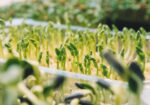

Super Potassium Fulvate is an advanced organic biostimulant and soil conditioner derived from leonardite, a naturally occurring oxidized lignite rich in humic substances. It is specifically formulated to contain a high concentration of fulvic acid (typically 10% or more), humic acid (around 50%), and potassium oxide (K₂O, typically 10–12%), making it a potent agricultural input. Unlike synthetic fertilizers, this product leverages the natural properties of fulvic acid—a low-molecular-weight, biologically active component of humic substances—to enhance plant growth, improve soil health, and increase nutrient efficiency. Its fine, dark brown powder form is fully water-soluble, stable across a wide pH range, and compatible with various irrigation and fertilization systems, making it a versatile tool for modern agriculture.
Chemical and Structural Composition
Super Potassium Fulvate is a high-polymer heterogeneous aromatic potassium salt, characterized by a complex molecular structure rich in active functional groups, including hydroxyl (-OH), carboxyl (-COOH), and phenolic hydroxyl groups. These groups contribute to its exceptional chelating capacity, allowing it to bind with essential nutrients such as nitrogen, phosphorus, potassium, and micronutrients (e.g., iron, zinc, manganese). This chelation process forms stable complexes that plants can readily absorb, significantly improving nutrient bioavailability compared to traditional soil-applied fertilizers. The product’s solubility in both acidic (pH < 7) and alkaline (pH > 7) conditions, as well as its resistance to flocculation in hard water (up to 25° DH or 445 ppm), ensures consistent performance in diverse agricultural environments.
The distinction between fulvic acid and humic acid lies in their molecular weight and solubility. Fulvic acid, the primary active component in Super Potassium Fulvate, has a lower molecular weight and shorter carbon chains than humic acid, enabling it to penetrate plant cell walls more effectively. This results in faster nutrient delivery and enhanced metabolic activity within plants. The potassium component, present as K₂O, supports critical physiological processes such as photosynthesis, enzyme activation, and water regulation, although Super Potassium Fulvate is not primarily used as a potassium source due to its relatively low application rates.
Detailed Agricultural Benefits
Super Potassium Fulvate offers a wide range of benefits that make it an essential tool for sustainable farming. These benefits can be categorized into three main areas: plant growth enhancement, soil health improvement, and environmental sustainability.
- Plant Growth Enhancement:
- Improved Nutrient Uptake: The chelating properties of fulvic acid allow nutrients to remain available in the soil or nutrient solution for longer periods, reducing losses due to leaching or volatilization. Studies indicate that foliar applications can increase nutrient absorption efficiency by 100–500% compared to soil applications, leading to healthier plants and higher yields (typically 20–30% increases in crop production).
- Stress Resistance: Super Potassium Fulvate enhances plant resilience to abiotic stresses such as drought, salinity, and extreme temperatures. It achieves this by stimulating the production of stress-related enzymes and antioxidants, which protect plant cells from oxidative damage. Foliar sprays are particularly effective in mitigating stress during critical growth stages, such as flowering or fruit setting.
- Disease Suppression: The product’s bioactive compounds can inhibit certain soil-borne pathogens and improve plant immunity, reducing the need for chemical pesticides. This is particularly valuable for organic farming systems.
- Soil Health Improvement:
- Enhanced Soil Structure: In sandy or light soils, Super Potassium Fulvate increases cation exchange capacity (CEC), enabling better retention of water and nutrients. This promotes the formation of soil aggregates, which improve aeration and root penetration.
- pH Buffering: The product neutralizes extreme soil pH levels, converting acidic or alkaline soils toward a neutral range (pH 6–7), which is optimal for most crops. It also reduces soil salinity, making it suitable for reclaiming degraded or salt-affected lands.
- Microbial Activity: Fulvic acid serves as a carbon source for beneficial soil microorganisms, stimulating their activity and enhancing nutrient cycling. This contributes to long-term soil fertility and reduces reliance on synthetic inputs.
- Environmental Sustainability:
- As an organic input, Super Potassium Fulvate aligns with eco-friendly farming practices. It is often certified by organizations such as the Organic Materials Review Institute (OMRI), ensuring compliance with organic standards.
- By improving nutrient use efficiency, it minimizes environmental pollution from fertilizer runoff, protecting water bodies from eutrophication.
- Its biodegradable nature ensures no harmful residues remain in the soil or crops, supporting sustainable agricultural systems.
Practical Applications and Guidelines
Super Potassium Fulvate is suitable for a wide range of crops, including field crops (e.g., wheat, corn, rice), horticultural crops (e.g., tomatoes, cucumbers, strawberries), fruit trees (e.g., citrus, apples), and ornamentals. It can be applied through various methods, each tailored to specific agricultural needs:
| Application Method | Dosage (per hectare) | Frequency | Notes |
|---|---|---|---|
| Foliar Spray | 1–2 kg diluted in 200–400 L water | 2–4 times per growing season | Best for rapid nutrient delivery; apply during early morning or late afternoon to avoid leaf burn. Compatible with most micronutrient sprays. |
| Drip Irrigation | 2–5 kg | Every 10–15 days | Ideal for hydroponics or fertigation systems; ensures uniform nutrient distribution in the root zone. |
| Soil Amendment | 10–20 kg | At planting or as a top-dress | Mix with base fertilizers (e.g., NPK blends) to enhance long-term soil fertility. |
| Seed Treatment | 0.5–1 kg per ton of seed | Pre-planting | Soak or coat seeds to improve germination rates and seedling vigor. |
Application Tips:
- Always perform a compatibility test when mixing Super Potassium Fulvate with other fertilizers or agrochemicals to avoid precipitation or reduced efficacy.
- For granular formulations, dissolve the product in a strong alkali (e.g., potassium hydroxide) or acid solution before application to ensure complete solubility.
- Adjust dosages based on soil test results and crop nutrient requirements. Over-application is generally safe due to the product’s organic nature but may not yield proportional benefits.
Comparative Analysis with Related Products
Super Potassium Fulvate is often confused with potassium humate, but the two differ significantly in composition and function. Potassium humate contains a higher proportion of humic acid, which has larger molecules and lower solubility, making it less effective for foliar applications or rapid nutrient delivery. In contrast, the higher fulvic acid content in Super Potassium Fulvate ensures better plant penetration and faster action. Additionally, its potassium content, while not sufficient to replace primary potassium fertilizers (e.g., potassium chloride), enhances its role as a biostimulant rather than a standalone nutrient source.
Compared to synthetic chelators like EDTA, Super Potassium Fulvate is a natural alternative that offers similar chelating benefits without environmental drawbacks. Its organic certification and compatibility with sustainable farming practices make it a preferred choice for organic and regenerative agriculture.
Practical Considerations and Limitations
While Super Potassium Fulvate is highly effective, certain factors should be considered for optimal use:
- Soil and Water Conditions: In regions with extremely hard water or highly saline soils, additional water treatment may be necessary to maximize product performance.
- Storage and Handling: Store in a cool, dry place to maintain product stability. Prolonged exposure to moisture can cause caking, though this does not affect efficacy if properly dissolved.
- Cost Considerations: While Super Potassium Fulvate can reduce overall fertilizer costs by improving nutrient efficiency, its initial price may be higher than conventional inputs. Farmers should evaluate cost-benefit ratios based on crop value and yield goals.
- Crop-Specific Responses: Some crops, such as leafy greens or high-value fruits, may show more pronounced benefits due to their sensitivity to nutrient availability and stress.
Sourcing and Certification
When sourcing Super Potassium Fulvate, select suppliers that provide detailed product specifications, including fulvic acid content, solubility, and organic certifications (e.g., OMRI, ECOCERT). Reputable manufacturers often provide laboratory analysis certificates to verify composition and quality. For precise sourcing recommendations or regional availability, please provide additional details such as your location or intended crop.
Conclusion
Super Potassium Fulvate is a powerful tool for modern agriculture, offering a unique combination of nutrient enhancement, soil conditioning, and environmental benefits. Its ability to improve nutrient uptake, enhance plant resilience, and promote sustainable soil health makes it an invaluable input for both conventional and organic farming systems. By carefully tailoring application methods and dosages to specific crops and conditions, farmers can maximize its benefits, achieving higher yields, better crop quality, and reduced environmental impact.