









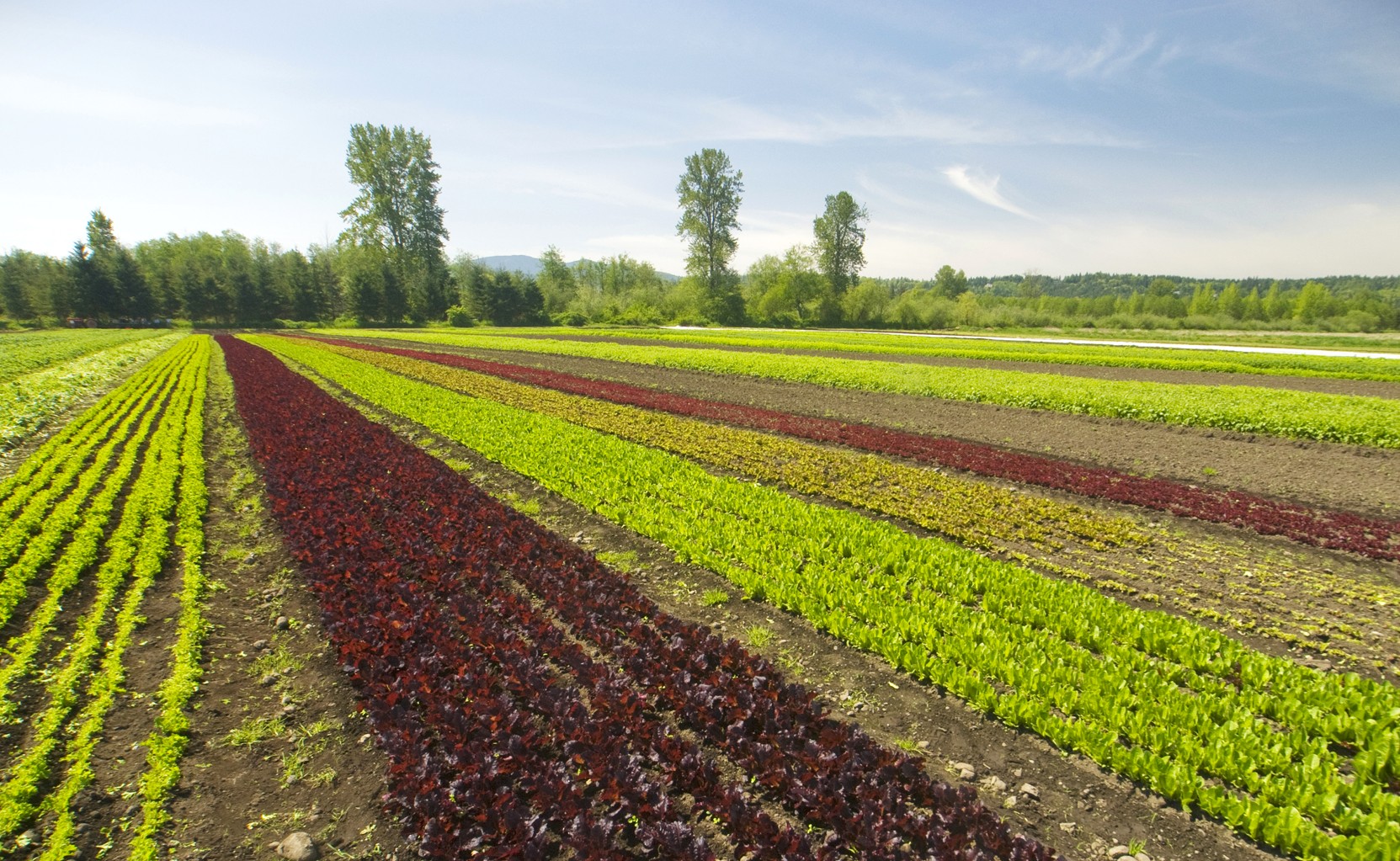
Potassium humate is an organic product used in farming to improve soil quality, enhance nutrient availability, and support healthy crop growth. Made from humic substances extracted from natural sources like leonardite or lignite, it contains humic acids, fulvic acids, and potassium. These components work together to create healthier soils, reduce the need for chemical inputs, and promote sustainable agriculture.
Environmental Benefits of Potassium Humate
1. Reduction of Nutrient Leaching and Runoff
Potassium humate helps keep nutrients like nitrogen, phosphorus, and potassium in the soil, preventing them from washing away into rivers, lakes, or groundwater. It does this by binding nutrients into forms that plants can easily absorb, reducing the amount that escapes into the environment. This has several positive effects:
- Protection of Water Bodies: Excess nutrients in water can cause algal blooms, which use up oxygen and harm fish and other aquatic life. By keeping nutrients in the soil, potassium humate reduces the risk of these harmful blooms, helping maintain clean rivers and lakes.
- Safer Drinking Water: Nutrient leaching, especially of nitrates, can contaminate groundwater used for drinking, posing health risks. Potassium humate minimizes this problem by holding nutrients in place, protecting water quality.
- Preservation of Ecosystems: Less nutrient runoff means healthier aquatic ecosystems, as it prevents disruptions to natural balances in lakes, streams, and wetlands.
2. Decreased Need for Chemical Fertilizers
By making nutrients more available to plants, potassium humate allows farmers to use less synthetic fertilizer while still achieving good crop growth. This reduction in fertilizer use offers several environmental advantages:
- Lower Greenhouse Gas Emissions: Producing synthetic fertilizers, especially nitrogen-based ones, releases greenhouse gases like nitrous oxide, which contribute to climate change. Using less fertilizer with potassium humate reduces these emissions, helping combat global warming.
- Energy Conservation: Fertilizer production requires significant energy, often from fossil fuels. By relying on potassium humate to improve nutrient efficiency, farmers can reduce the energy demand tied to fertilizer manufacturing.
- Healthier Soils: Overuse of chemical fertilizers can make soils acidic or disrupt nutrient balance. Potassium humate helps maintain soil health by stabilizing pH and supporting natural nutrient cycles, reducing long-term environmental damage.
3. Improved Soil Health and Structure
Potassium humate enhances soil structure by encouraging the formation of soil clumps, or aggregates, which improve air flow, water retention, and drainage. These improvements benefit the environment in multiple ways:
- Reduced Soil Erosion: Stronger soil structure prevents soil from being washed or blown away by rain or wind. This keeps valuable topsoil in place, protecting farmland and preventing sediment from clogging rivers and streams, which can harm aquatic habitats.
- Better Water Retention: Soils treated with potassium humate hold water more effectively, reducing the need for frequent irrigation. This conserves water, an increasingly scarce resource in many regions, and lowers the energy used for irrigation systems.
- Carbon Storage: Potassium humate adds organic matter to the soil, which acts as a carbon sink, capturing carbon dioxide from the atmosphere. This helps reduce the impact of climate change by storing carbon in the soil rather than releasing it into the air.
4. Support for Soil Microorganisms
Potassium humate provides a food source for beneficial soil microbes, such as bacteria and fungi, which break down organic matter and recycle nutrients. This microbial activity supports environmental sustainability by:
- Improving Nutrient Cycling: Healthy microbes make nutrients more available to plants, reducing the need for external fertilizers and supporting natural soil processes.
- Reducing Pesticide Use: A thriving soil microbiome can suppress harmful pathogens, decreasing the need for chemical pesticides that may harm pollinators, birds, or aquatic life.
- Enhancing Soil Resilience: Diverse microbial communities make soils more resistant to stresses like drought or heavy rain, ensuring long-term productivity and environmental stability.
5. Remediation of Contaminated Soils
Potassium humate can bind to harmful substances, such as heavy metals (e.g., lead, cadmium, or arsenic), in the soil, reducing their ability to harm plants or enter the food chain. This offers significant environmental benefits:
- Cleaner Food Production: By preventing crops from absorbing toxic metals, potassium humate ensures safer food for humans and animals, protecting health and ecosystems.
- Reduced Pollution Spread: Immobilizing contaminants in the soil prevents them from leaching into groundwater or nearby water bodies, reducing environmental pollution.
- Restoration of Degraded Land: In areas with contaminated soils, potassium humate can help restore land for productive use, reducing the need to clear new land for farming and preserving natural habitats.
6. Support for Climate-Resilient Farming
As climate change brings more frequent droughts, salinity, and extreme temperatures, potassium humate helps crops adapt to these challenges, promoting environmentally friendly agriculture:
- Drought Resistance: By improving water retention in soil and plant tissues, potassium humate helps crops survive dry periods, reducing water use and supporting farming in water-scarce regions.
- Salinity Tolerance: In salty soils, potassium humate reduces the harmful effects of sodium, allowing crops to grow in challenging conditions without extensive soil treatments that may disrupt local ecosystems.
- Fewer Crop Failures: Healthier, more resilient crops are less likely to fail during extreme weather, ensuring stable food production and reducing pressure to convert forests or wetlands into farmland.
7. Promotion of Sustainable Agriculture
Potassium humate aligns with sustainable farming practices that prioritize environmental care and long-term productivity. Its organic nature makes it suitable for organic farming, and its benefits support broader environmental goals:
- Organic Farming Support: Approved for organic systems, potassium humate provides a natural alternative to synthetic inputs, promoting biodiversity-friendly farming.
- Long-Term Soil Fertility: By improving soil organic matter and microbial activity, potassium humate ensures soils remain productive for future generations, reducing the environmental cost of farming.
- Biodiversity Protection: By reducing the need for chemical fertilizers and pesticides, potassium humate minimizes harm to pollinators, soil organisms, and aquatic life, supporting healthy ecosystems.
Practical Tips for Maximizing Environmental Benefits
To ensure potassium humate delivers its full environmental potential, farmers should follow these guidelines:
- Use Appropriate Amounts: Apply potassium humate based on soil tests and crop needs, typically 5–50 kg per hectare for soil applications or 0.1–0.5% concentration for foliar sprays. Overuse can disrupt nutrient balance.
- Combine with Sustainable Practices: Pair potassium humate with crop rotation, cover crops, or reduced tillage to enhance its environmental benefits.
- Choose High-Quality Products: Select potassium humate with high humic and fulvic acid content from reputable suppliers to ensure effectiveness.
- Monitor Soil Health: Regularly check soil conditions to confirm that potassium humate is improving soil structure, nutrient levels, and microbial activity.
Limitations to Consider
While potassium humate offers significant environmental benefits, its effectiveness depends on soil type, climate, and application method. In very fertile soils, its impact may be less noticeable. Overapplication could lead to excessive potassium, affecting soil nutrient balance. Additionally, low-quality products may contain impurities, reducing environmental benefits, so choosing trusted suppliers is essential.
Where to Source Potassium Humate
Potassium humate is available from various sources, including agricultural supply stores, online retailers, and specialized manufacturers. Below are some options for obtaining high-quality potassium humate:
- Local Agricultural Suppliers: Many farm supply stores or cooperatives carry potassium humate in granular, powder, or liquid forms. Check with local retailers specializing in fertilizers or organic farming inputs.
- Online Retailers
- Manufacturers and Distributors
- Saint Humic Acid: A well-known supplier offering high-quality potassium humate products, including soluble powders and liquids, with a focus on sustainable agriculture.
- Regional Suppliers: Depending on your location, regional manufacturers may offer potassium humate tailored to local soil and crop needs.
- Organic Certification Agencies: If you practice organic farming, contact local organic certification bodies for recommendations on approved potassium humate suppliers that meet organic standards.
- Farmer Cooperatives and Extension Services: Local agricultural cooperatives or university extension programs can provide guidance on trusted suppliers and may offer bulk purchasing options.
Tips for Sourcing Potassium Humate
- Check Product Quality: Look for products with high humic and fulvic acid content (typically 60–80% humic acid). Request product specifications or lab analyses from suppliers.
- Verify Certifications: For organic farming, ensure the product is certified by organizations or equivalent bodies in your region.
- Compare Prices: Prices vary based on form (granular, powder, liquid) and quantity. Bulk purchases are often more cost-effective for large farms.
- Read Reviews: Check customer reviews on online platforms or consult other farmers to ensure the supplier provides reliable, effective products.
- Local Availability: Sourcing locally reduces transportation-related carbon emissions, aligning with the environmental benefits of potassium humate.
Conclusion
Potassium humate is a powerful ally in sustainable agriculture, offering environmental benefits such as reduced nutrient runoff, lower fertilizer use, improved soil health, support for soil microbes, remediation of contaminated soils, and enhanced climate resilience. These advantages contribute to cleaner water, healthier ecosystems, and a reduced carbon footprint, making it an essential tool for environmentally conscious farming. By sourcing high-quality potassium humate from reputable suppliers—whether through local stores, online retailers, or specialized manufacturers—farmers can maximize these benefits while supporting sustainable agriculture. For best results, apply potassium humate thoughtfully, monitor soil health, and integrate it with other eco-friendly practices to ensure long-term environmental and agricultural success.