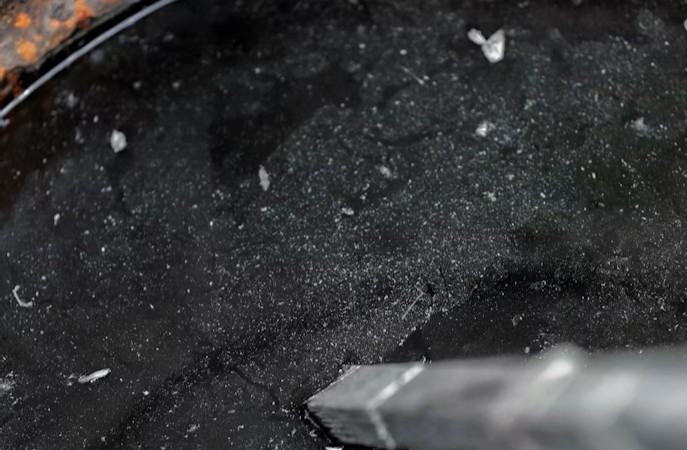
Humic acid, a complex organic substance derived from the natural decomposition of plant and animal matter, is widely recognized for its efficacy in adsorbing heavy metals from various environmental matrices, including soil, water, and wastewater. Its application in environmental remediation, agriculture, and water treatment stems from its unique chemical composition, which facilitates the binding of heavy metal ions through multiple mechanisms.
What is Humic Acid?
Humic acid is a natural component of organic matter found in soils, peat, coal, and water bodies like rivers and lakes. It forms through the microbial breakdown of organic materials over long periods. Chemically, humic acid is a mixture of large, complex molecules with a variety of functional groups—think of these as chemical “hooks” like carboxyl (-COOH), phenolic (-OH), and hydroxyl groups. These hooks give humic acid its ability to grab onto heavy metal ions, such as lead, cadmium, copper, zinc, or even toxic elements like arsenic and mercury.
Why Humic Acid Works for Heavy Metal Adsorption
Humic acid is particularly good at capturing heavy metals because of its structure. The functional groups act like magnets for positively charged metal ions, forming strong bonds that trap the metals and prevent them from moving freely in the environment. This process happens in a few ways:
- Complexation: Humic acid forms stable chemical bonds with metal ions, almost like wrapping them up in a molecular cage. This reduces the metals’ ability to cause harm, such as contaminating water or being absorbed by plants.
- Ion Exchange: Humic acid can swap out less harmful ions (like hydrogen or sodium) for heavy metal ions, effectively locking the metals in place.
- Surface Adsorption: The surface of humic acid particles acts like a sponge, physically or chemically holding onto metal ions.
These mechanisms make humic acid a versatile tool for cleaning up heavy metal pollution, whether in soil, water, or industrial waste.
Applications of Humic Acid in Heavy Metal Adsorption
Humic acid has practical uses across several fields, and its ability to bind heavy metals makes it valuable for addressing environmental challenges. Here are some key applications:
- Environmental Cleanup:
- Soil Remediation: In areas contaminated by industrial activity, mining, or improper waste disposal, heavy metals like lead, cadmium, or mercury can build up in the soil. Adding humic acid to these soils can bind these metals, preventing them from leaching into groundwater or being taken up by plants.
- Water Treatment: Humic acid is used in water treatment systems to remove heavy metals from drinking water or industrial wastewater. Humic acid can be incorporated into filters or used as a coagulant to pull metals out of solution, making the water safer for use or discharge.
- Agriculture:
- Heavy metals in soil can harm crops or accumulate in food, posing risks to human health. Humic acid helps by locking these metals in the soil, reducing how much plants absorb. This not only protects the food chain but also improves soil health, as humic acid can enhance nutrient availability and microbial activity.
- Industrial Applications:
- In industries like mining or manufacturing, wastewater often contains high levels of heavy metals. Humic acid-based materials, such as modified activated carbon or nanoparticles coated with humic acid, are used in treatment systems to capture metals before the water is released into the environment.
Factors That Affect Humic Acid’s Performance
While humic acid is highly effective, its performance depends on several factors:
- pH of the Environment: The acidity or alkalinity of the soil or water plays a big role. In slightly acidic to neutral conditions (pH 5–7), humic acid tends to work best because its functional groups are most active. In very acidic conditions, these groups may become less effective, while in highly alkaline conditions, humic acid can dissolve, reducing its ability to stay in place and bind metals.
- Concentration of Metals: If there are too many metal ions, humic acid’s binding sites can get overwhelmed, lowering its efficiency. Think of it like a parking lot with limited spaces—once it’s full, additional cars (metal ions) can’t park.
- Type of Humic Acid: Not all humic acids are the same. Some have more functional groups or larger molecular structures, which can make them better at binding metals. The source of the humic acid (e.g., peat, coal, or compost) can affect its performance.
- Competing Ions: Other substances in the environment, like calcium or magnesium ions, can compete with heavy metals for humic acid’s binding sites, reducing its effectiveness.
Benefits of Using Humic Acid
Humic acid offers several advantages for heavy metal adsorption:
- Cost-Effective: It’s naturally abundant in soils and organic matter, making it relatively inexpensive compared to synthetic alternatives.
- Environmentally Friendly: Humic acid is biodegradable and non-toxic, so it doesn’t add new pollutants to the environment.
- Versatile: It can bind a wide range of heavy metals, making it useful for diverse contamination scenarios.
- Dual Benefits: In agriculture, humic acid not only traps metals but also improves soil fertility by enhancing nutrient retention and microbial activity.
Challenges and Limitations
Despite its strengths, humic acid isn’t a perfect solution:
- Variable Performance: Its effectiveness can vary depending on environmental conditions like pH, temperature, or the presence of other chemicals.
- Solubility Issues: In alkaline conditions, humic acid can dissolve, which may reduce its stability in certain applications, like water treatment.
- Selectivity: Humic acid may not always target specific metals in a mixture, which can be a problem if you need to remove one particular metal over others.
- Processing Needs: In some cases, humic acid needs to be modified or combined with other materials (e.g., nanoparticles or activated carbon) to improve its performance, which can add complexity and cost.
Real-World Examples
To give a sense of how humic acid is used, here are a few practical examples:
- Soil Treatment in Mining Areas: In regions affected by mining, soils often contain high levels of metals like arsenic or cadmium. Researchers have found that adding humic acid to these soils can reduce metal mobility by up to 70–90% in some cases, making the land safer for farming or reforestation.
- Wastewater Treatment Plants: Some treatment facilities use humic acid-based filters to remove metals like copper and zinc from industrial wastewater. Studies have shown that humic acid can adsorb over 100 milligrams of metal per gram of humic acid under optimal conditions.
- Agricultural Trials: Farmers in areas with contaminated soils have applied humic acid to reduce metal uptake in crops like rice or wheat, improving food safety and crop yields.
Future Potential
Research continues to explore ways to make humic acid even more effective. For example, scientists are developing humic acid-based nanomaterials that have higher adsorption capacities and better selectivity for specific metals. These innovations could lead to more efficient cleanup processes for heavily polluted sites. Additionally, combining humic acid with other natural or synthetic materials could overcome some of its limitations, such as solubility in alkaline conditions.
Conclusion
Humic acid is a powerful, natural tool for addressing heavy metal contamination in soil, water, and industrial systems. Its ability to bind metals through complexation, ion exchange, and adsorption makes it a versatile and eco-friendly option for environmental remediation and agricultural improvement. While its performance depends on factors like pH and metal concentration, its affordability and biodegradability make it an attractive choice for many applications. Ongoing research is likely to expand its uses, particularly in advanced materials for pollution control.