
Humates, organic compounds derived from decomposed plant and animal matter, are highly effective for improving soil health, enhancing nutrient availability, and promoting vigorous lawn growth. Comprising humic acid, fulvic acid, and humin, humates serve as soil conditioners that stimulate microbial activity, improve soil structure, and facilitate nutrient uptake by grass roots. Applying humates to a lawn is a straightforward process but requires careful planning, appropriate product selection, and proper techniques to achieve optimal results.
1. Understanding Humates and Their Benefits
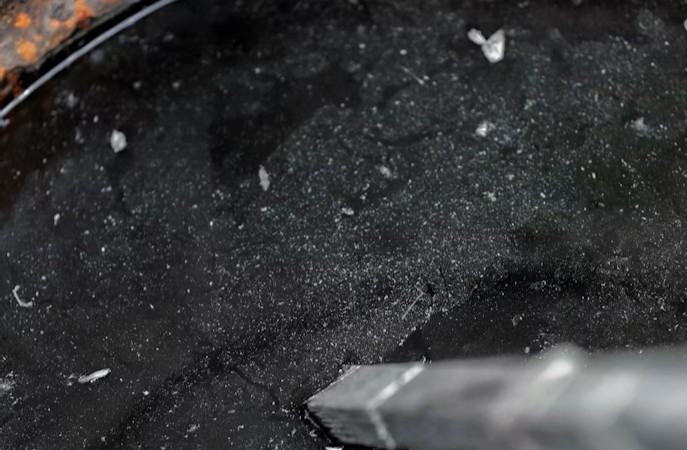
Humates are naturally occurring substances found in humus, the organic component of soil formed from decomposed organic matter. They are extracted from sources like leonardite, lignite, or composted materials and are available in various forms for lawn care. The primary benefits of humates for lawns include:
- Improved Soil Structure: Humates loosen compacted soils, improve aeration, and enhance water retention, creating a better environment for root growth.
- Enhanced Nutrient Uptake: They bind to nutrients like nitrogen, phosphorus, and potassium, making them more available to grass rather than being washed away.
- Increased Microbial Activity: Humates provide a food source for beneficial soil microbes, which break down organic matter and release nutrients.
- Stress Resistance: Lawns treated with humates often show greater resilience to drought, heat, and disease due to improved root systems and nutrient efficiency.
- Environmental Sustainability: As organic products, humates are eco-friendly and support long-term soil health without the risks associated with synthetic chemicals.
2. Choosing the Right Humate Product
Humates are available in three primary forms, each with distinct application methods and advantages:
- Granular: These are dry, pellet-like products that resemble small grains or beads. They are applied using a spreader and are ideal for gradual, long-term soil improvement. Granular humates typically contain 50–80% humic acid and release nutrients slowly over weeks or months.
- Liquid: These are concentrated solutions or suspensions that are diluted with water and sprayed onto the lawn. They are fast-acting, making them suitable for quick results or addressing immediate soil deficiencies. Liquid humates usually contain 5–15% humic acid.
- Powdered: These fine, dry powders can be applied directly to the soil or mixed with water to create a liquid solution. They are versatile but require careful handling to avoid clumping or uneven application.
When selecting a product, read the label carefully to confirm the humic acid content, additional ingredients (e.g., micronutrients or kelp), and recommended application rates. Choose a form based on your lawn size, available equipment (e.g., spreader or sprayer), and whether you seek immediate or sustained results.
3. Assessing Your Lawn and Soil
Before applying humates, evaluate your lawn and soil to ensure the product addresses specific needs:
- Soil Testing: Obtain a soil test kit from a garden center or contact your local agricultural extension service to analyze soil pH, nutrient levels, and organic matter content. Humates perform best in soils with a pH of 6.0–7.5, as this range maximizes nutrient availability. If your soil is too acidic (below 6.0) or alkaline (above 7.5), consider adjusting the pH with lime or sulfur before applying humates.
- Lawn Condition: Inspect your lawn for signs of stress, such as thinning grass, bare patches, yellowing, or compacted soil. Humates are particularly effective for improving compacted or sandy soils, correcting nutrient lockup (where nutrients are present but unavailable to plants), and reviving tired or overused lawns.
- Grass Type: Identify your grass species to ensure compatibility with the humate product. Most humates are broadly suitable, but some formulations are tailored to specific grass types or regional climates.
- Existing Issues: Note any problems like poor drainage, heavy thatch (a layer of dead grass), or pest damage. Humates can complement other lawn care practices, such as aeration or dethatching, to address these issues holistically.
This assessment ensures that humates are applied purposefully to target your lawn’s unique challenges.
4. Determining Application Rates
The correct amount of humates depends on the product form, lawn size, and soil condition. Always follow the manufacturer’s instructions, but general guidelines are as follows:
- Granular: Apply 5–10 pounds per 1,000 square feet for routine maintenance or healthy lawns. For severely depleted or compacted soils, use up to 15–20 pounds per 1,000 square feet.
- Liquid: Dilute 1–2 ounces of concentrate per gallon of water to cover 1,000 square feet. For larger areas, such as an acre (43,560 square feet), use 8–16 ounces of concentrate mixed with sufficient water (typically 10–20 gallons) for even coverage.
- Powdered: Apply 1–2 pounds per 1,000 square feet if spreading dry, or mix 1–2 ounces per gallon of water for liquid application. For small lawns, a single pound may suffice for spot treatments.
5. Timing the Application
Proper timing maximizes the effectiveness of humates and supports lawn health:
- Seasonal Timing: Apply humates in early spring (March–April) or early fall (September–October) when grass is actively growing. These periods align with peak root development and nutrient uptake for most grass types. For warm-season grasses, late spring to early summer (May–June) is also effective. Avoid applying during extreme heat (above 85°F) or drought, as stressed grass may not respond well.
- Weather Conditions: Choose a calm, dry day with mild temperatures (50–75°F). For granular or powdered humates, light watering after application helps incorporate the product into the soil. For liquid humates, ensure no heavy rain is forecast for 24–48 hours to prevent runoff and allow absorption.
- Frequency: For ongoing lawn maintenance, apply humates once or twice per year (spring and fall). For lawns with poor soil or significant stress, apply up to three or four times per growing season, spaced 6–8 weeks apart, to build soil health over time.
6. Applying Humates to the Lawn
The application method varies by humate form. Follow these steps for each:
- Granular:
- Use a broadcast spreader (for large areas) or drop spreader (for precise application) to ensure even coverage.
- Calibrate the spreader according to the product label or spreader manual to dispense the correct amount.
- Walk steadily across the lawn, overlapping passes slightly to avoid gaps. Start at the perimeter and work inward in a crisscross pattern for uniform distribution.
- After spreading, water the lawn lightly (0.25–0.5 inches of water) to help the granules settle into the soil and begin breaking down. Use a sprinkler or hose with a gentle setting to avoid displacing the product.
- Liquid:
- Mix the concentrate with water in a pump sprayer, backpack sprayer, or watering can, following the dilution ratio on the label (e.g., 1 ounce per gallon).
- Spray or pour the solution evenly across the lawn, moving in straight lines or sections to avoid over- or under-application. For large lawns, a backpack sprayer with a fan nozzle ensures consistent coverage.
- Allow the solution to dry on the grass (typically 2–4 hours) before watering, mowing, or allowing foot traffic. This ensures the humates adhere to the soil and grass.
- Powdered:
- For dry application, use a spreader or sprinkle the powder by hand for small areas. Spread evenly to avoid clumps, which can create uneven results.
- For liquid application, dissolve the powder in water (e.g., 1 ounce per gallon) in a sprayer or bucket, stirring thoroughly to prevent settling. Apply as you would a liquid humate.
- After dry application, water the lawn to incorporate the powder into the soil. For liquid applications, watering is typically unnecessary unless specified.
For best results, aerate the lawn before applying humates if the soil is compacted. Aeration creates small holes that allow humates to penetrate deeper into the soil, enhancing their effectiveness.
7. Post-Application Care
Proper care after applying humates ensures they integrate into the soil and benefit the lawn:
- Watering: For granular or powdered humates, water the lawn within 24 hours to activate the product and help it reach the root zone. Use 0.25–0.5 inches of water, equivalent to running a sprinkler for 15–30 minutes, depending on your system. For liquid humates, additional watering is usually unnecessary unless the product label specifies it. Keep the soil moist but not waterlogged to support microbial activity.
- Mowing: Wait 24–48 hours after application before mowing to allow humates to settle. Set the mower blade to the recommended height for your grass type (e.g., 2.5–3.5 inches for fescue, 1–2 inches for Bermuda) to avoid stressing the lawn.
- Fertilization: Humates enhance nutrient uptake, making them an excellent complement to fertilizers. If your soil test indicates nutrient deficiencies, apply a balanced fertilizer (e.g., 10-10-10 or 16-4-8, indicating nitrogen-phosphorus-potassium ratios) at the same time as humates or within a week. This synergy boosts grass growth and color.
- Avoid Disturbance: Limit heavy foot traffic or lawn activities for 1–2 days after application to prevent disrupting the humates’ integration into the soil.
8. Monitoring and Evaluating Results
Humates work gradually, so patience is key. Monitor your lawn over the next 4–8 weeks for improvements, such as:
- Greener Grass: Enhanced nutrient uptake often results in richer, more vibrant grass color.
- Thicker Growth: Improved root systems and soil structure lead to denser turf and fewer bare patches.
- Stress Resilience: Lawns may better withstand drought, heat, or heavy use due to stronger roots and improved water retention.
- Soil Health: Over time, soils become looser, more aerated, and richer in organic matter, supporting long-term lawn vitality.
Conduct a follow-up soil test after 6–12 months to measure changes in pH, nutrient levels, and organic matter. If results are suboptimal, adjust the application rate, frequency, or complementary practices (e.g., aeration or fertilization) based on the lawn’s response and soil test recommendations.
9. Safety and Environmental Considerations
Humates are generally safe and environmentally friendly, but proper handling ensures optimal results and minimizes risks:
- Storage: Store humate products in a cool, dry place, away from direct sunlight, moisture, children, and pets. Seal containers tightly to prevent clumping or degradation.
- Handling: Wear gloves when handling granular or powdered humates to avoid skin irritation. For powders, consider a dust mask to prevent inhalation, especially in windy conditions.
- Environmental Impact: Humates are organic and biodegradable, but avoid applying near ponds, streams, or storm drains to prevent nutrient runoff, which can contribute to water pollution. Follow label instructions to minimize overapplication.
- Pet and Child Safety: Keep pets and children off the lawn until liquid humates have dried or granular/powdered humates have been watered in and settled (typically 24 hours).
10. Additional Tips for Success
- Combine with Aeration: For compacted lawns, aerate before applying humates to improve soil penetration and root contact. Use a core aerator to remove small plugs of soil, ideally in spring or fall.
- Overseeding or New Lawns: When seeding a new lawn or overseeding bare patches, apply humates during soil preparation or immediately after seeding. This boosts germination rates and supports young roots.
- Thatch Management: If your lawn has excessive thatch (more than 0.5 inches), dethatch before applying humates to ensure they reach the soil rather than sitting on dead grass.
- Regional Considerations: Soil types (e.g., clay, sand, or loam) and climate vary by region, affecting humate performance. Consult your local agricultural extension service, garden center, or lawn care professional for tailored advice.
- Complementary Practices: Pair humates with other organic practices, such as topdressing with compost or using natural pest control, to create a holistic lawn care regimen.






Comments
2 responses to “How to use humates on a lawn?”
房中秘术、泡妞把妹、丰胸美体、奇淫巧技!价值十万电子书下载网址:https://www.1199.pw/
Bulk commenting service. 100,000 comments on independent websites for $100 or 1000,000 comments for $500. You can read this comment, it means my bulk sending is successful. Payment account-USDT TRC20:【TLRH8hompAphv4YJQa7Jy4xaXfbgbspEFK】。After payment, contact me via email (helloboy1979@gmail.com),tell me your nickname, email, website URL, and comment content. Bulk sending will be completed within 24 hours. I’ll give you links for each comment.Please contact us after payment is made. We do not respond to inquiries prior to payment. Let’s work with integrity for long-term cooperation.