1. What is Sodium Humate?
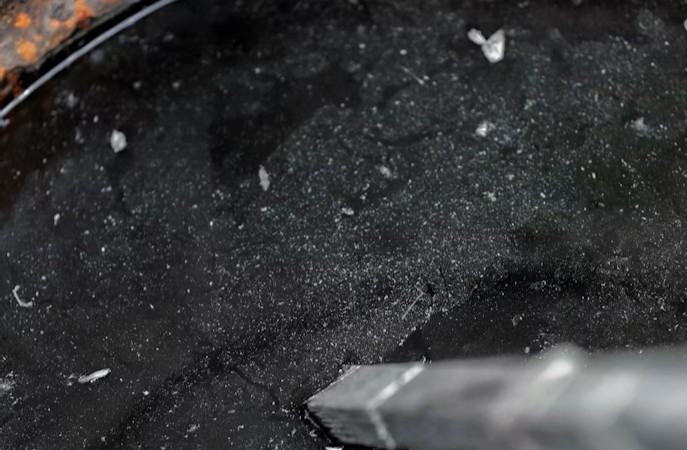
Sodium humate is the sodium salt of humic acid, derived from natural sources like oxidized lignite or leonardite. It is a water-soluble organic compound widely used in agriculture, animal feed, aquaculture, and industrial applications such as wastewater treatment and oil drilling.
Composition
- Humic Acid: The primary active component, typically ranging from 60% to over 70% (dry basis), responsible for the biological benefits.
- Solubility: 100% water-soluble, ideal for liquid applications like aquaculture or irrigation.
- pH: 8-11 (alkaline), requiring caution when combined with acidic substances.
- Forms: Available as powder, flakes, or crystalline flakes.
- Trace Minerals: Depending on the leonardite source, it may contain natural trace minerals (e.g., potassium, magnesium) that enhance its efficacy for plants and animals.
- No Toxic Chemicals: Safe for environmental and animal use, ensuring compliance with feed-grade standards.
Primary Uses
Sodium humate has versatile applications across multiple sectors:
- Animal Feed (Livestock, Poultry, Aquaculture):
- Health Benefits: Forms a protective film in the intestines, reducing toxin absorption, improving digestion, and enhancing nutrient uptake.
- Antibiotic Alternative: Acts as a natural feed additive, reducing reliance on antibiotics and mitigating antibiotic resistance.
- Growth Promotion: Increases weight gain by 5-15% in livestock and poultry; improves egg production in laying hens.
- Odor Reduction: Decreases ammonia emissions from manure, improving barn conditions.
- Dosage Guidelines:
- Poultry: 0.3-0.5% in feed (3-5 kg/ton).
- Pigs/Horses: 0.8-1% in feed (8-10 kg/ton).
- Aquaculture: 0.0001-0.001% (1-10 mg/L) in pond water to avoid toxicity.
- Agriculture:
- Soil Enhancement: Improves soil structure, water retention, and nutrient availability.
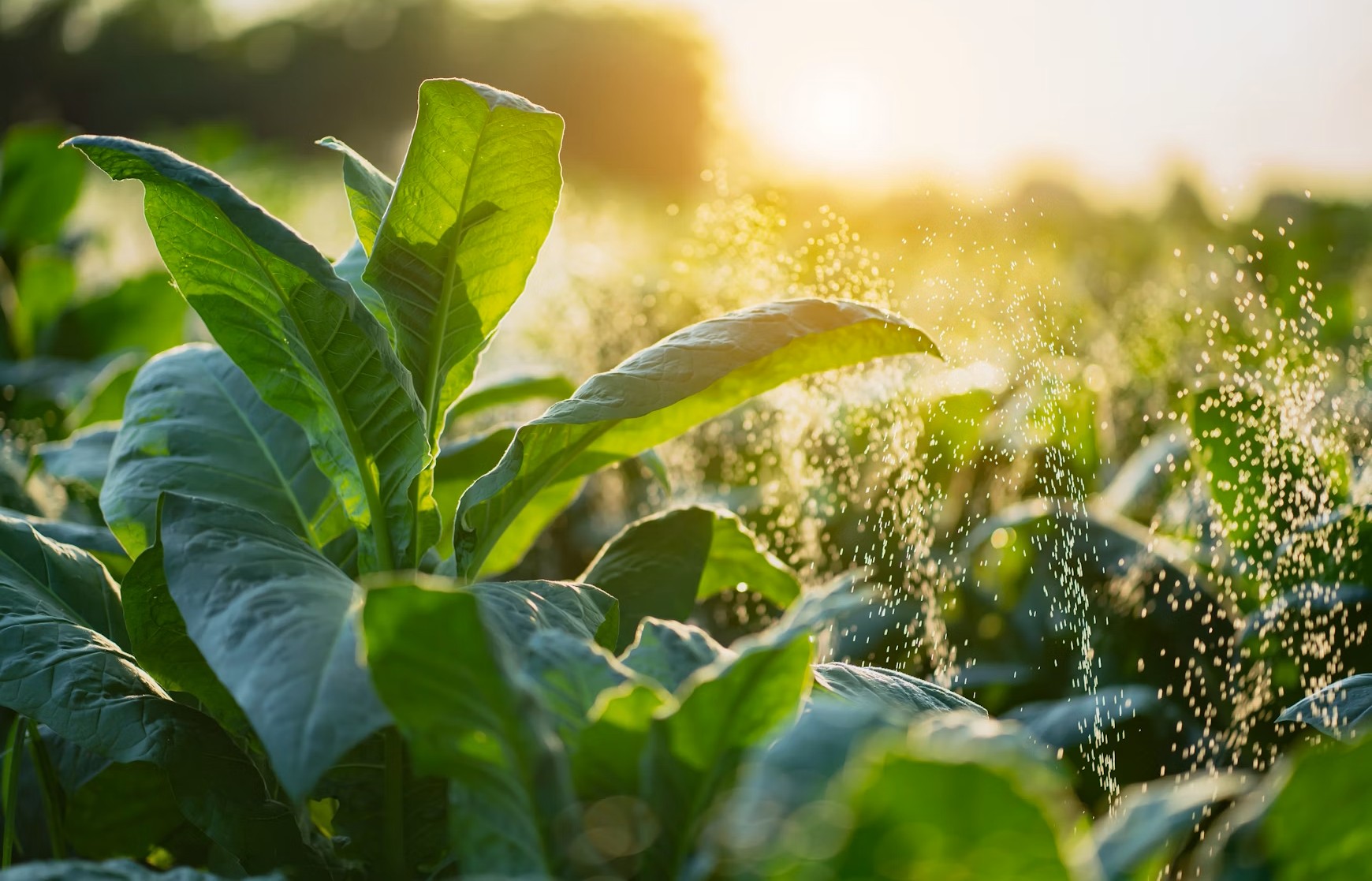
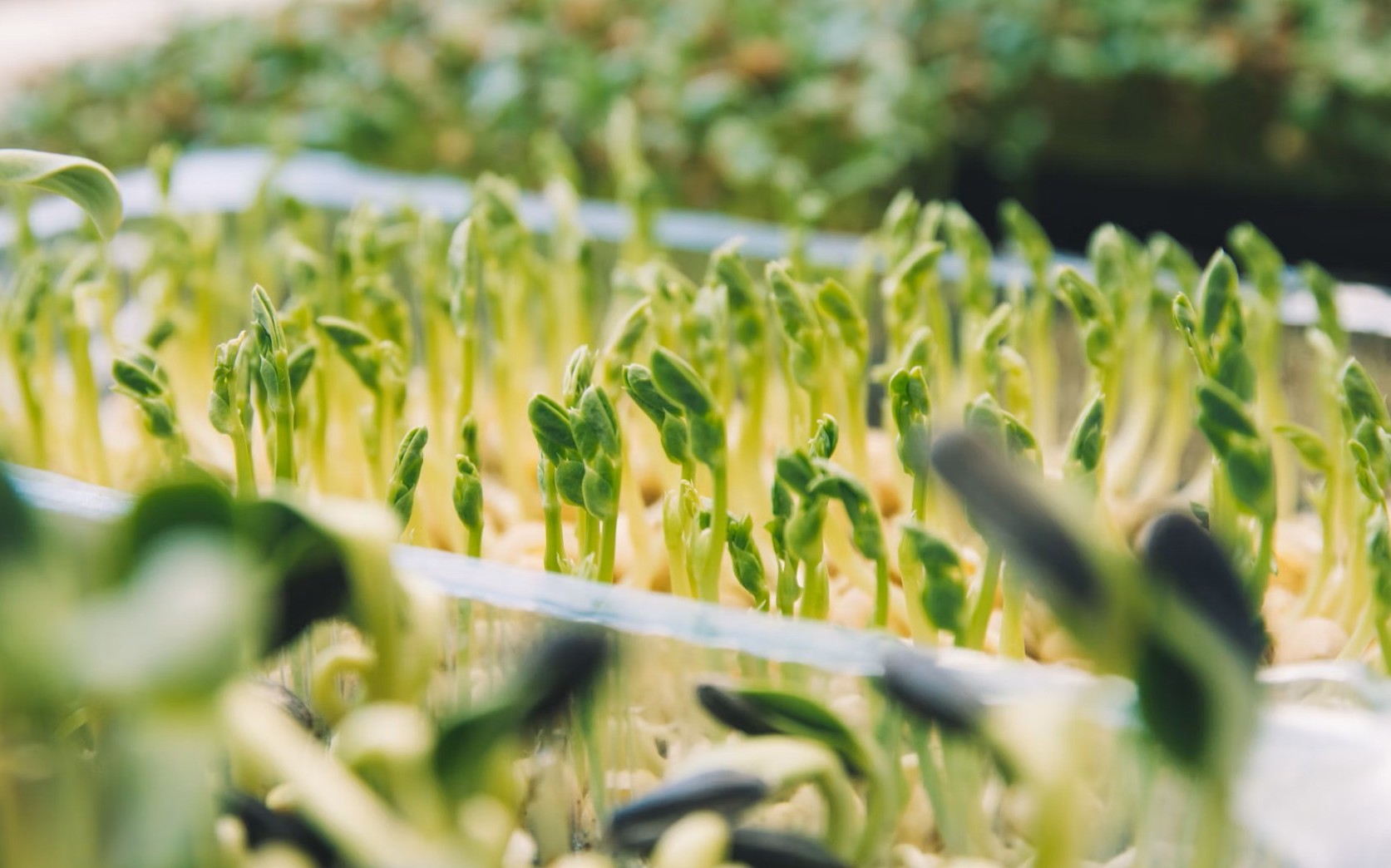
- Plant Growth: Stimulates root development, enhances nutrient uptake, and boosts crop yield.
- Stress Resistance: Increases plant resilience to environmental stresses like drought or pests.
- Application:
- Foliar Spray: Dissolve 1-2 g/L of water, apply 2-3 times per season.
- Drip Irrigation: Use 5-10 kg/ha, combined with fertilizers.
- Soil Application: Mix 10-20 kg/ha into the soil before planting.
- Industrial Applications:
- Wastewater Treatment: Adsorbs heavy metals (e.g., lead, cadmium), reducing COD/BOD in industrial wastewater.
- Oil Drilling: Acts as a drilling mud additive, stabilizing wellbores and reducing friction.
- Ceramics/Coal: Serves as a binder in coke/coal production or ceramics manufacturing.
- Dosage: Varies by application (e.g., 50-200 g/m³ for wastewater; 1-3% in drilling mud).
Key Benefits
- Eco-Friendly: Derived from natural sources, safe for the environment and animals.
- Versatile: Suitable for agriculture, animal feed, and industrial uses.
- High Efficacy: High humic acid content ensures superior performance compared to lower-grade alternatives.
- Cost-Effective: Improves feed efficiency, crop yield, and wastewater treatment efficiency, reducing overall costs.
2. How to Buy Sodium Humate
Below is a detailed step-by-step guide to purchasing:
Step 1: Access Official Channels
Saint Humic Acid operates multiple websites for product information and customer inquiries:
- www.humicacid.org: Main site with detailed product descriptions, a blog on applications, and a contact form.
- www.humicacid.site: Highlights sodium humate for feed and industrial applications.
Action:
- Visit one of the websites above and navigate to the “Products” section or search for “Sodium Humate.”
- Review product details to select the appropriate type (e.g., Feed Grade for livestock, Super Sodium Humate for industrial use).
Step 2: Contact for a Quote
- Email: Send an inquiry. Include the following details:
- Product Type: Specify Sodium Humate Feed Grade, Super Sodium Humate, etc.
- Form: Powder, flakes, or crystalline flakes.
- Quantity: E.g., 1 kg (sample), 20 kg, or 1 metric ton.
- Application: Animal feed, agriculture, or industrial use.
- Delivery Location: To calculate shipping costs and time.
- Additional Requests: Certificate of Analysis (COA), technical data sheet, or sample availability.
- Contact Form: Use the “Contact Us” page on their websites to submit your inquiry with similar details.
- Phone/WhatsApp: Some websites may list phone numbers or WhatsApp contacts. Check the “Contact” section for updated information.
Tip: For bulk orders (e.g., several tons), request a detailed quote and discuss long-term supply agreements for better pricing.
Step 3: Verify Product Specifications
Before ordering, confirm the product meets your needs:
- Humic Acid Content: ≥60% for standard Sodium Humate, ≥70% for Super Sodium Humate.
- Solubility: 100% water-soluble, critical for aquaculture or liquid agricultural applications.
- pH: 8-11, avoid mixing with strong acids to prevent precipitation.
- Packaging: Available in 20 kg/25 kg woven or kraft bags with plastic liners, or jumbo bags (500 kg-1000 kg) for bulk orders.
- Certifications: Request a COA to verify quality, especially for feed-grade products used in livestock.
Step 4: Place the Order and Arrange Payment
- Order Process:
- After receiving a quote, confirm the order via email or a formal purchase order.
- Provide accurate delivery details (address, contact information).
- For first-time buyers, request a sample (e.g., 1 kg or 5 kg) for testing, which may incur a small fee.
- Payment Methods:
- Common methods include bank transfers or other international payment options. Confirm details in the quote.
- For large orders, negotiate payment terms (e.g., 30% upfront, balance upon delivery).
- Contract: For bulk or recurring orders, request a formal contract to secure terms and pricing.
Step 5: Shipping and Delivery
- Packaging: Sodium humate is packed in 20 kg/25 kg bags or jumbo bags, with plastic liners to prevent moisture damage.
- Shipping:
- Shipping costs depend on location and order size. Request a quote that includes shipping fees.
- Delivery time: Typically 7-30 days, depending on the region (faster in Asia, longer for Europe or the Americas).
- Customs: For international orders, verify import regulations for sodium humate in your country (generally unrestricted as an organic product).
Step 6: Inspect the Product Upon Receipt
- Check packaging for damage or tampering.
- Verify the product matches the ordered specifications (form, humic acid content, solubility).
3. Key Features
- Natural Source: Extracted from high-quality leonardite, ensuring safety and sustainability.
- 100% Water-Soluble: Ideal for liquid applications in aquaculture, irrigation, or wastewater treatment.
- Alkaline pH (8-11): Requires careful mixing to avoid reactions with acidic substances.
- Flexible Packaging: Small bags (1 kg, 5 kg) for samples or retail, and large bags (20 kg, 25 kg, or jumbo) for bulk orders.
Detailed Composition
- Humic Acid: 60-70%, the core component driving biological benefits like soil enhancement, animal health, and heavy metal adsorption.
- Sodium Salts: Enhance water solubility compared to raw humic acid.
- Trace Minerals: Naturally occurring minerals from leonardite (e.g., potassium, magnesium) support plant and animal health.
- No Harmful Additives: Free of toxic chemicals, meeting feed-grade and environmental safety standards.
4. Detailed Applications and Usage
- Animal Feed (Livestock, Poultry, Aquaculture):
- Benefits:
- Enhances gut health, reducing inflammation and improving digestion.
- Adsorbs toxins and heavy metals in the digestive tract.
- Boosts immunity, lowering disease incidence.
- Improves feed conversion ratio (FCR), leading to weight gain and higher productivity.
- Usage:
- Poultry: Mix 0.3-0.5% into feed (3-5 kg/ton).
- Pigs/Horses: Mix 0.8-1% into feed (8-10 kg/ton).
- Aquaculture: Dissolve 1-10 mg/L in pond water, ensuring low concentrations to avoid toxicity.
- Precautions: Avoid mixing with strong acids (e.g., lactic acid bacteria) in liquid conditions to prevent precipitation.
- Benefits:
- Agriculture:
- Benefits:
- Enhances soil fertility, water retention, and nutrient availability.
- Promotes root growth and nutrient absorption, increasing crop yield.
- Improves plant resilience to drought, pests, and diseases.
- Usage:
- Foliar Spray: Dissolve 1-2 g/L in water, apply 2-3 times per growing season.
- Drip Irrigation: Use 5-10 kg/ha, mixed with fertilizers.
- Soil Application: Incorporate 10-20 kg/ha into the soil before planting.
- Precautions: Test soil pH to avoid over-alkalizing; adjust dosage as needed.
- Benefits:
- Industrial Applications:
- Wastewater Treatment:
- Adsorbs heavy metals and reduces organic pollutants (COD/BOD).
- Dosage: Typically 50-200 g/m³, depending on contamination levels.
- Oil Drilling:
- Stabilizes drilling mud, reduces friction, and strengthens wellbores.
- Dosage: 1-3% in drilling mud, per technical specifications.
- Ceramics/Coal:
- Acts as a binder, improving mechanical strength.
- Dosage: 0.5-2% in the mixture, based on production requirements.
- Wastewater Treatment:
5. Pricing and Key Considerations
- Pricing:
- Small Quantities/Samples: Estimated at $20-$50 for 500 g-1 kg, with Super Sodium Humate being more expensive.
- Bulk Orders: General market prices range from $390-$980 per metric ton. Contact for precise quotes.
- Shipping Costs: Vary by location (lower in Asia, higher for Europe/Americas).
- Key Considerations:
- Quality Assurance: Request a COA to verify humic acid content and purity, especially for feed-grade products.
- Application-Specific Selection: Choose the right product to optimize cost and performance.
- Quantity: Bulk orders often receive discounts. For small-scale use, start with a sample.
- Counterfeit Risk: Purchase only through official channels to avoid low-quality products.
- Import Regulations: Confirm your country’s rules for importing sodium humate (typically unrestricted as an organic product).
6. Tips for Purchasing and Using
- Start Small: Request a sample (1 kg or 5 kg) to test efficacy before committing to bulk orders.
- Negotiate: For large orders, negotiate pricing or shipping discounts, especially for long-term contracts.
- Storage: Store sodium humate in a dry, cool place to maintain quality and prevent clumping.
- Consultation: Contact Saint Humic Acid for tailored advice on dosage or application methods.




Comments
2 responses to “Buy Sodium Humate online”
Nice post! 1754717431
Hoca siz rakibi boğdunuz bravo ssupsw.in