-

Humate for organic farming
Detailed Overview of Humates in Organic Farming for Crop Yield Enhancement Humates are natural soil amendments derived from decomposed organic matter, such as leonardite or lignite, and are rich in humic and fulvic acids. In organic farming, humates are valued for their ability to improve soil health, enhance nutrient availability, and boost crop yields while…
-

Humate for microbial activity
Comprehensive Overview of Humate for Enhancing Soil Microbial Activity Humates, derived from the natural decomposition of organic matter such as leonardite, lignite, or peat, are salts of humic acids (e.g., potassium humate, sodium humate) widely used in agriculture and horticulture as soil conditioners and biostimulants. While humates are not fertilizers, they significantly influence soil health…
-

Leonardite humate
Leonardite humate products are made from leonardite, a soft, earthy material found near lignite coal deposits. It forms over millions of years from decayed plants and other organic matter, creating a substance packed with humic substances—mainly humic acid (usually 70–85%), fulvic acid, and humin. These natural compounds are like a superfood for soil, helping plants…
-

How to use humates on a lawn?
Humates, organic compounds derived from decomposed plant and animal matter, are highly effective for improving soil health, enhancing nutrient availability, and promoting vigorous lawn growth. Comprising humic acid, fulvic acid, and humin, humates serve as soil conditioners that stimulate microbial activity, improve soil structure, and facilitate nutrient uptake by grass roots. Applying humates to a…
-

Humic substances
Humic substances are complex, naturally occurring organic materials that form a critical component of soil, peat, coal, and aquatic environments such as rivers, lakes, and oceans. These substances arise from the microbial decomposition of plant and animal residues through a process called humification. They are essential in soil fertility, nutrient cycling, carbon sequestration, and environmental…
-

What is humate?
What is Humate? Humate refers to naturally occurring organic materials formed through the prolonged decomposition of plant and animal matter over thousands to millions of years. These materials are integral components of humus, the dark, nutrient-rich organic layer found in healthy soils. Humate is primarily composed of humic substances, which include humic acids, fulvic acids,…
-
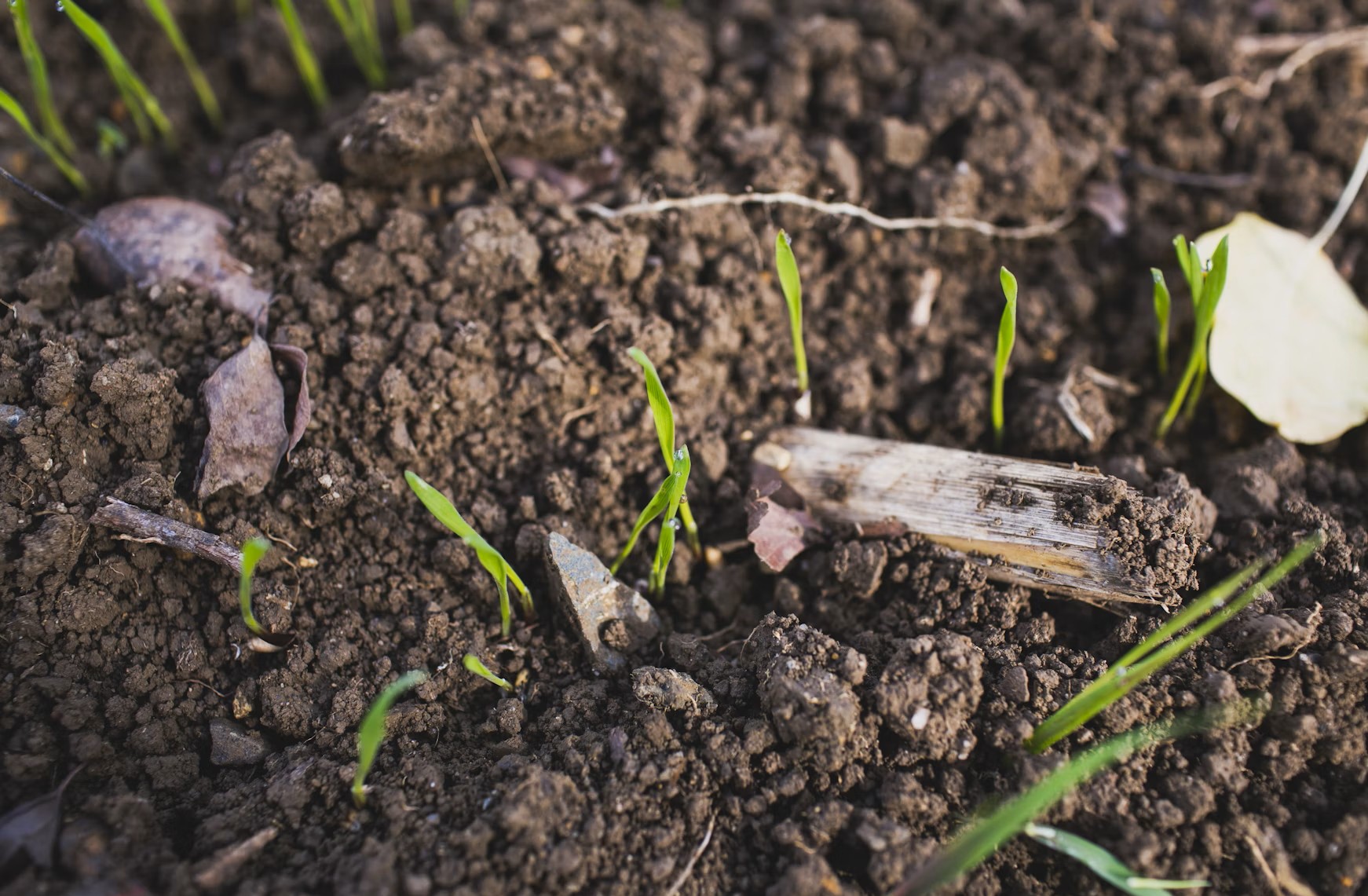
Anti-Flocculation Potassium Fulvate
Comprehensive Overview of Anti-Flocculation Potassium Fulvate Anti-flocculation potassium fulvate is a specialized organic compound derived from the potassium salt of fulvic acid, typically sourced from natural materials such as leonardite, a soft lignite coal rich in humic substances. Unlike standard potassium fulvate, this advanced variant is engineered to exhibit exceptional solubility and stability, particularly in…
-
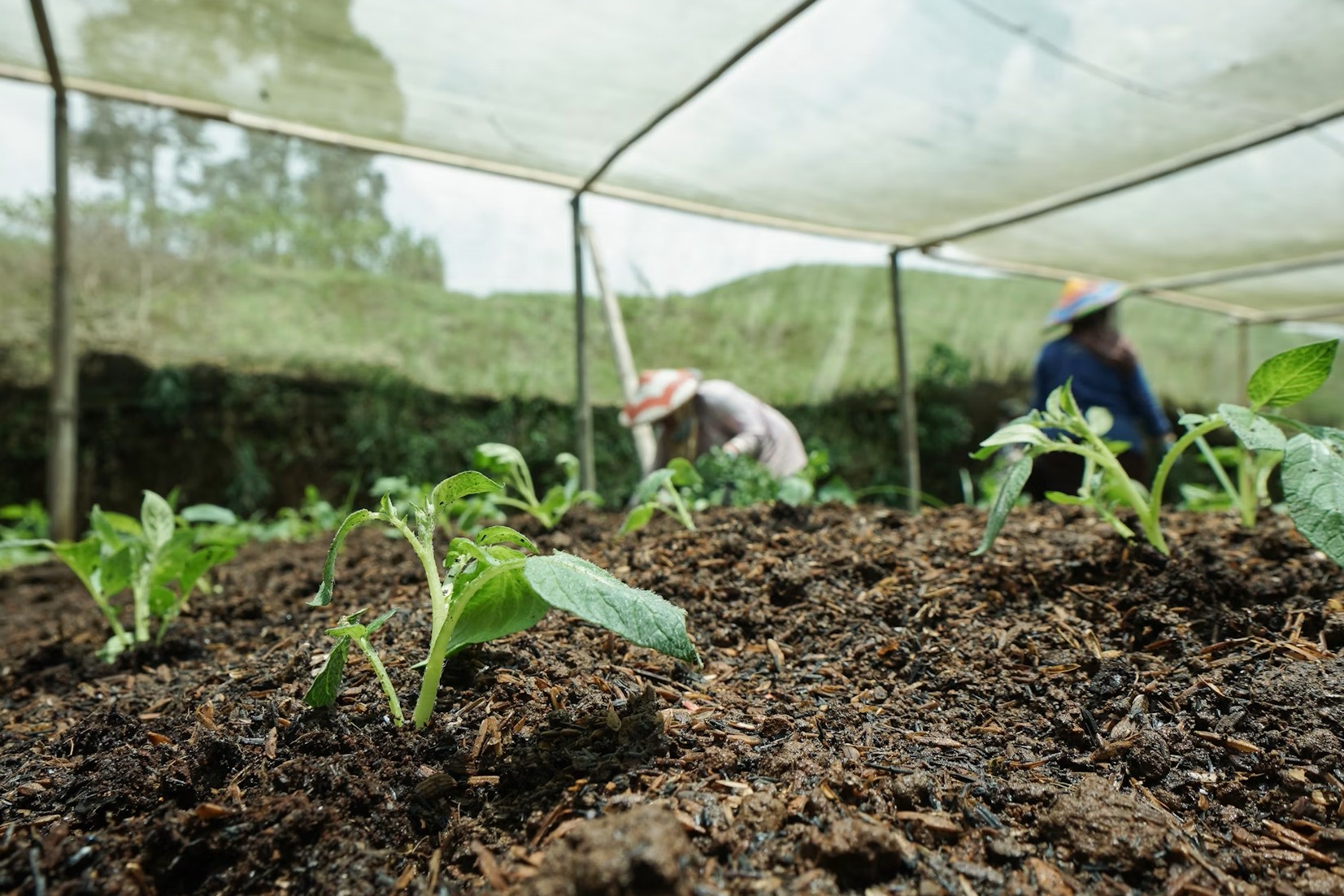
Potassium Fulvate Flakes
Potassium fulvate flakes are a natural, organic product used in farming and gardening to improve soil quality, boost plant growth, and enhance nutrient absorption. Made from fulvic acid—a substance formed by the breakdown of plant and animal matter over many years—these flakes are combined with potassium to create a water-soluble, easy-to-use fertilizer. The flake form,…