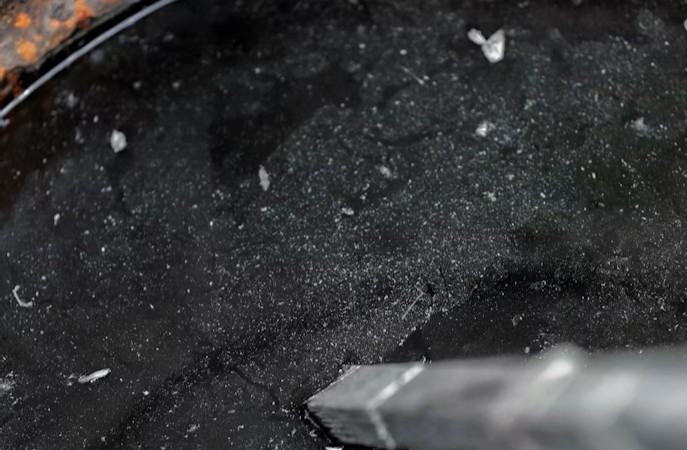
Leonardite humate products are made from leonardite, a soft, earthy material found near lignite coal deposits. It forms over millions of years from decayed plants and other organic matter, creating a substance packed with humic substances—mainly humic acid (usually 70–85%), fulvic acid, and humin. These natural compounds are like a superfood for soil, helping plants grow better and making farming or gardening more sustainable. Leonardite humates are used in farming, home gardens, lawn care, and even environmental cleanup because they improve soil quality, boost plant health, and support eco-friendly practices. Many of these products are organic-certified, often meeting standards like those from the Organic Materials Review Institute (OMRI), and are safe for people, pets, and helpful soil creatures when used properly.
These products come in different forms, such as granules, powders, liquids, or water-soluble types, so they can be used in many ways—like mixing into soil, spraying on plants, adding to irrigation water, or treating seeds. Their natural makeup and flexibility make them a go-to choice for anyone looking to grow healthier plants or restore damaged land without relying heavily on chemicals.
Why Leonardite Humates Are Valuable
Leonardite humates do a lot of good for soil, plants, and the environment, explained simply:
- Making Soil Better:
- Holding Nutrients: Leonardite humates grab onto nutrients like nitrogen, phosphorus, and potassium, keeping them in the soil so plants can use them over time. This is especially helpful in sandy soils or worn-out land where nutrients wash away easily. It’s like giving the soil a storage system to feed plants steadily.
- Improving Soil Texture: They help soil particles stick together, creating tiny clumps that make the soil looser and better at holding air and water. This is great for heavy clay soils that get hard or sandy soils that don’t hold water well. Better soil texture means roots can spread out more easily.
- Saving Water: Humates can soak up water like a sponge, holding up to 7 times their weight. This helps soil stay moist longer, so you don’t need to water as often, and plants can survive dry periods better. It’s especially useful in dry areas or during droughts.
- Helping Plants Thrive:
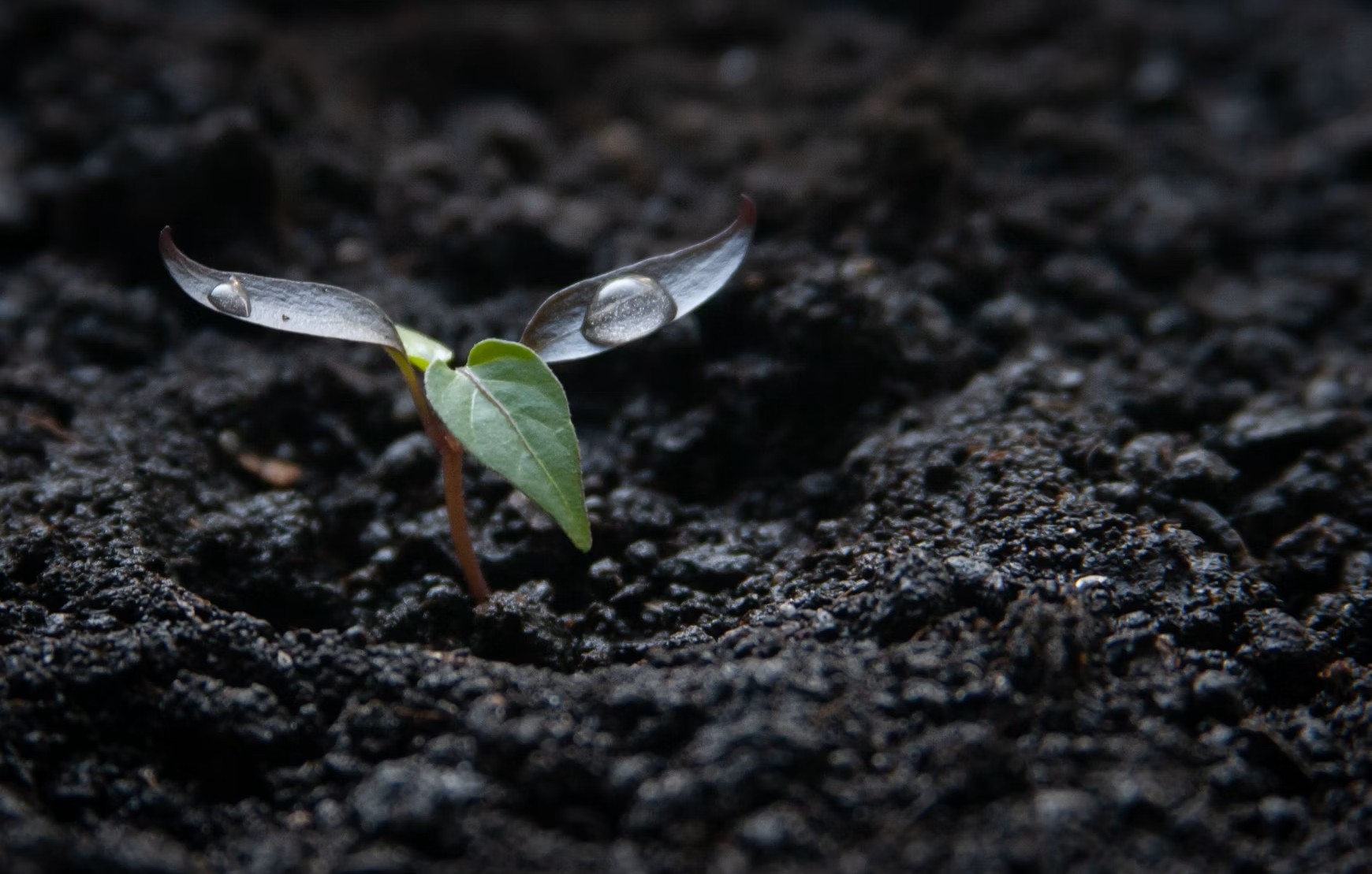
- Stronger Roots: The humic and fulvic acids in leonardite encourage roots to grow longer and branch out more. This helps plants, especially young ones, pull in more water and nutrients, making them stronger from the start.
- Handling Tough Conditions: Plants face stresses like hot weather, dry spells, salty soil, or even harmful metals. Leonardite humates help plants cope by supporting their natural defenses, kind of like giving them a shield against harsh conditions.
- More and Better Crops: By helping plants use nutrients better, humates can increase crop yields by 10–20% in poor soils. They also improve the quality of what you grow—think bigger fruits, tastier vegetables, or brighter flowers.
- Helping the Environment:
- Cleaning Up Pollution: Leonardite humates can break down harmful substances like oil, pesticides, or chemicals in dirty soil or water. They also trap heavy metals, like lead or mercury, so they don’t harm plants or animals. This makes them useful for cleaning up polluted sites.
- Fighting Pests and Diseases: By boosting helpful microbes in the soil, humates can reduce harmful germs that cause plant diseases. This cuts down on the need for chemical pesticides, keeping things more natural.
- Using Fewer Chemicals: Instead of relying on synthetic fertilizers, humates make natural nutrients work better, reducing chemical runoff that can pollute rivers and lakes. This is better for the planet and nearby wildlife.
- Supporting Sustainable Practices:
- Replacing Compost: Leonardite humates give soil the same kind of boost as compost but with way less material.
- Storing Carbon: Adding humates to soil helps trap carbon, which stays locked away for a long time. This is a small but real way to help fight climate change by keeping carbon out of the air.
How to Use Leonardite Humates
You can apply leonardite humates in several ways, depending on what you’re growing and the product you have:
- Mixing into Soil: Spread granules or powders into the soil when planting or as a top layer. For farms, use 50–200 lbs per acre; for lawns, use 5–10 lbs per 1,000 square feet. This builds better soil over time.
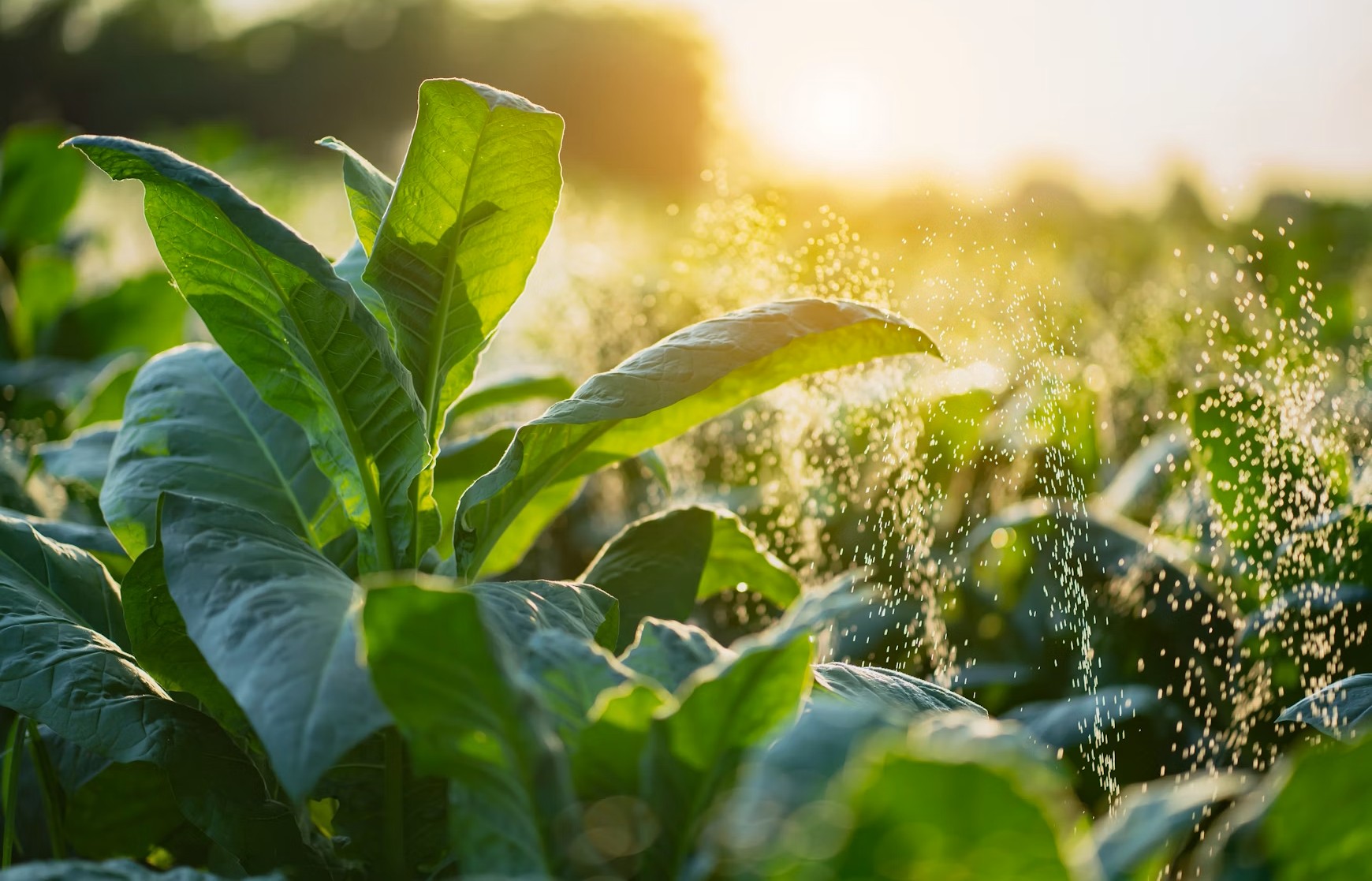
- Spraying on Leaves: Mix liquid humates with water (about 1–2 ounces per gallon) and spray on plant leaves. This gives plants a quick nutrient boost and helps them handle stress, especially during growth spurts.
- Adding to Irrigation: Dissolve soluble humates in water for drip or sprinkler systems, using 1–5 gallons per acre. This is great for big fields or greenhouses where you want even coverage.
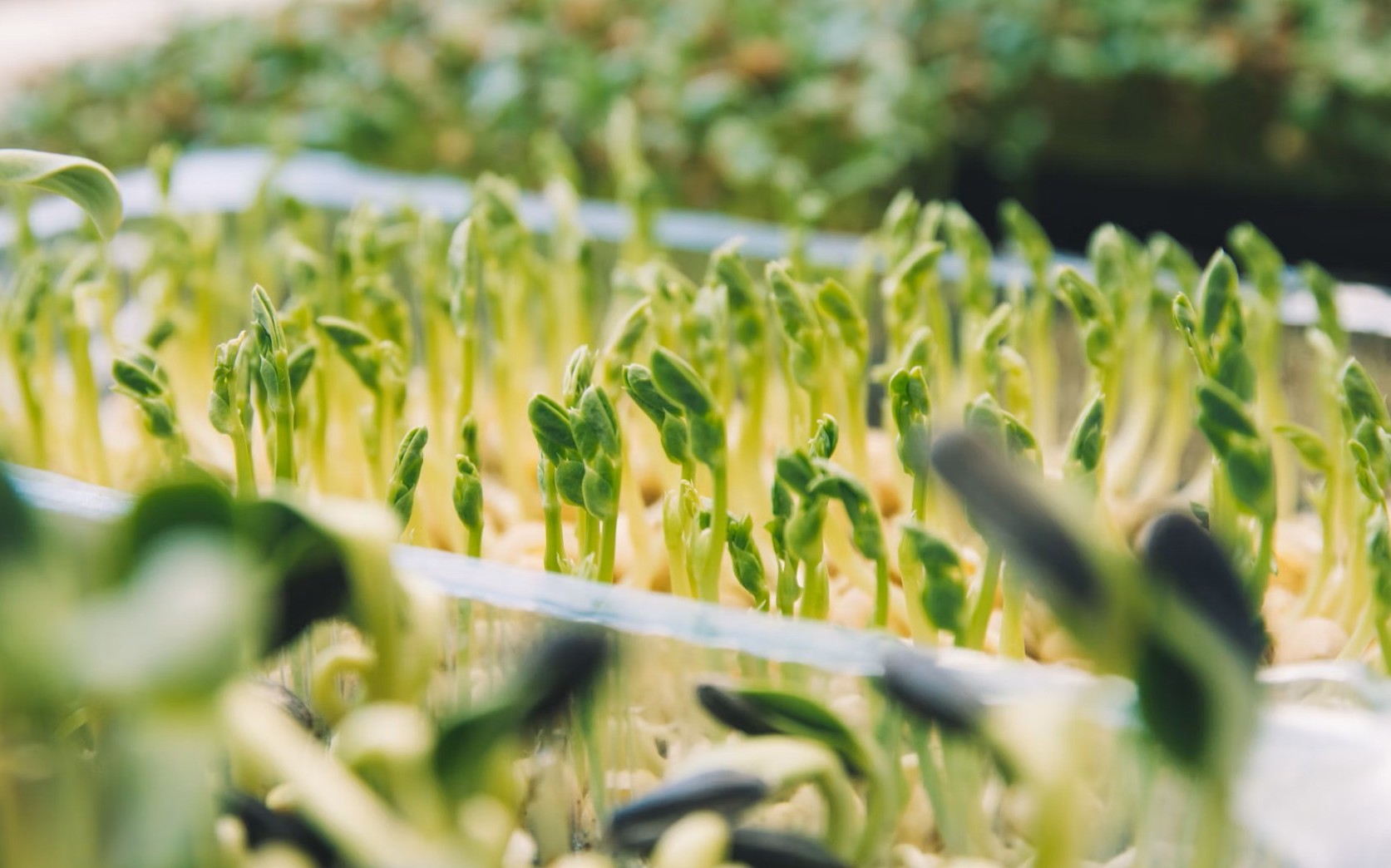
- Treating Seeds: Soak seeds in a weak humate solution (1–2% strength) before planting. This helps seeds sprout faster and grow stronger seedlings.
- Boosting Compost Tea: Add 1–2 tablespoons of humates per gallon of compost tea to make it richer in microbes and nutrients, giving plants an extra kick.
Tips for Getting the Best Results
To make leonardite humates work well, follow these practical tips:
- Check Your Soil: Test your soil for nutrients, pH, and organic matter. Humates shine in soils with low organic matter (under 2%) or bad texture, like sandy or clay-heavy soils. The test will tell you how much to use.
- Apply at the Right Time: Use humates when planting, during early growth, or before plants start flowering to get the biggest boost. For lawns or trees, spring and fall are the best times to apply.
- Pair with Fertilizers: Humates don’t replace fertilizers but make them more effective. Mixing humates with nitrogen, phosphorus, or potassium fertilizers can cut fertilizer use by 20–30% while keeping plants healthy.
- Pick High-Quality Products: Choose with at least 70% humic acid for the best results. Look for organic certifications if you’re doing organic farming or need to meet certain rules.
- Get Local Advice: Talk to nearby farming experts or extension services for tips on using humates with your local soil, climate, and crops.
Environmental and Money-Saving Benefits
Leonardite humates are great for the planet and your wallet. They cut down on the need for chemical fertilizers and pesticides, which keeps soil healthy and prevents pollution in rivers and lakes. By improving how plants use nutrients, they can save you money on fertilizers and water. Plus, they can boost crop yields by 10–20% in poor soils, meaning more produce to sell or enjoy.
Things to Watch Out For
While leonardite humates are safe and helpful, keep these points in mind:
- Don’t Use Too Much: Applying more than recommended (like 50–200 lbs per acre for granules) can mess up nutrient balance or waste product. Follow the guidelines on the package.
- Soil Differences: Humates work best in poor or damaged soils. If your soil is already rich and fertile, you might not see as much improvement.
- Store Properly: Keep humates in a cool, dry place to stay effective. Liquids and powders can lose strength if they get wet or too hot.
- Check Product Quality: Not all leonardite is the same. Some products have lower humic acid (40–50%), which won’t work as well as high-grade ones with 70–85% humic acid.
Conclusion
Leonardite humate products are a natural, earth-friendly way to improve soil, grow healthier plants, and clean up polluted areas. Whether in granules, powders, liquids, or blends, they fit all kinds of uses—from small home gardens to big farms and environmental projects. Their high humic acid content, pulled from leonardite deposits, makes them especially good for fixing poor soils or boosting plant growth. To get the best results, test your soil, use the right amount, and combine with fertilizers.