Potassium fulvate flakes are a natural, organic product used in farming and gardening to improve soil quality, boost plant growth, and enhance nutrient absorption. Made from fulvic acid—a substance formed by the breakdown of plant and animal matter over many years—these flakes are combined with potassium to create a water-soluble, easy-to-use fertilizer. The flake form, which looks like shiny, dark brown or black crystals, is popular because it’s simple to store, handle, and dissolve in water compared to powders or liquids. This makes it a practical choice for farmers and gardeners looking for sustainable ways to grow healthier plants without relying heavily on chemical fertilizers.
What Are Potassium Fulvate Flakes?
Potassium fulvate flakes come from fulvic acid, a natural compound found in soil, peat, or ancient deposits like leonardite (a type of soft coal). Fulvic acid is created when microbes break down organic material over time. When mixed with potassium (a key nutrient plants need), it forms potassium fulvate, which is processed into flakes for convenience. These flakes dissolve completely in water, making them ideal for applying to soil, plants, or irrigation systems.
Here’s what makes up potassium fulvate flakes:
- Fulvic Acid Content: Usually 70–80% of the product, giving it the ability to carry nutrients into plants.
- Potassium: Around 8–12% (measured as potassium oxide, K₂O), which helps plants grow strong and resist stress.
- Other Components: Some products include small amounts of humic acid or trace nutrients like iron or zinc, depending on how they’re made.
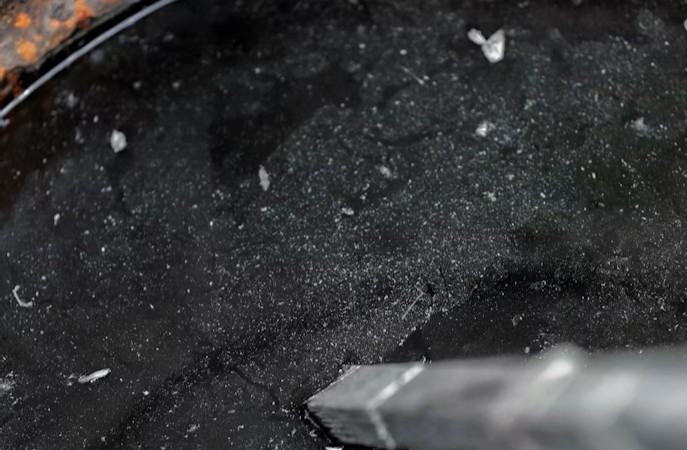
- Appearance: Dark, shiny flakes that break apart easily when mixed with water.
- Solubility: Dissolves fully in all types of water, even hard water (with high mineral content) or slightly acidic water, without leaving clumps.
The small size of fulvic acid molecules allows them to move quickly into plant roots and leaves, delivering nutrients effectively. This sets potassium fulvate apart from other products, like those made from humic acid, which are better for long-term soil improvement but less mobile in plants.
How Are Potassium Fulvate Flakes Made?
The process to create potassium fulvate flakes involves several steps to ensure the product is pure and effective:
- Starting Material: Manufacturers begin with leonardite or similar natural deposits rich in fulvic acid.
- Extraction: The raw material is treated with a mild alkaline solution (like water mixed with a base) to pull out the fulvic acid.
- Adding Potassium: Potassium hydroxide is added to turn the fulvic acid into potassium fulvate, making it more soluble and adding potassium for plants.
- Purification: The solution is filtered to remove impurities, ensuring the flakes are clean and safe for use.
- Forming Flakes: The liquid is dried and cooled carefully to create thin, shiny flakes, which are then cut or crushed to a consistent size (usually 2–5 mm).
The final product is tested to ensure low levels of unwanted substances, like heavy metals (e.g., mercury or arsenic), and meets agricultural standards. High-quality flakes are made from natural sources without synthetic additives, ensuring they’re safe for organic farming.
How to Use Potassium Fulvate Flakes
Potassium fulvate flakes are versatile and can be used in many ways to support crops, gardens, or even hydroponic systems. Here are the main ways to apply them:
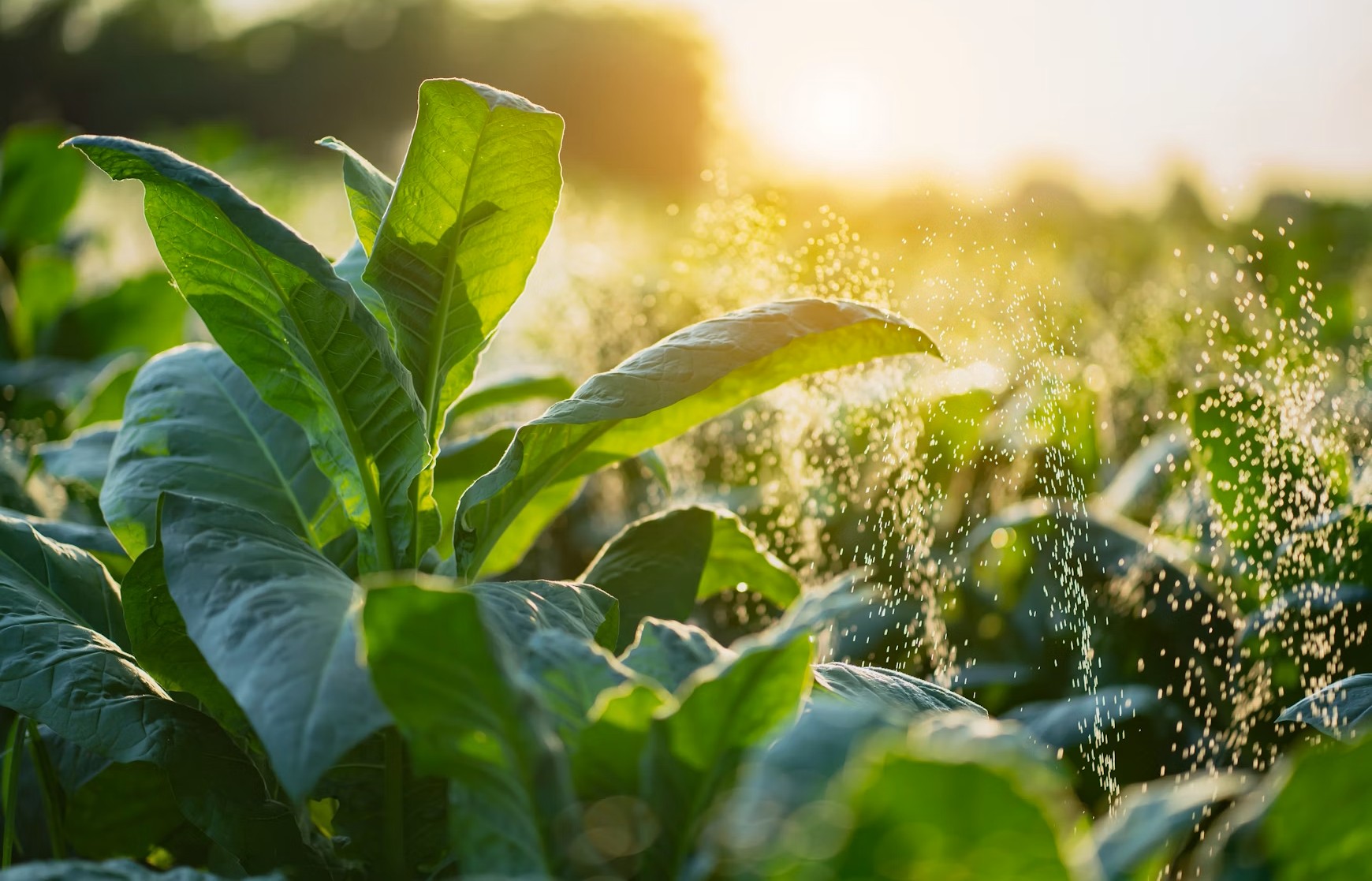
- Spraying on Leaves (Foliar Application):
- Mix 1–2 grams of flakes per liter of water.
- Spray the solution directly onto plant leaves, where it’s quickly absorbed.
- This method is great for delivering nutrients like zinc or iron to fix deficiencies fast.
- Adding to Soil:
- Spread 5–10 kg of flakes per hectare (a large field area) or mix into the soil during planting.
- This improves soil structure, holds water better, and keeps nutrients from washing away.
- It’s especially helpful for sandy or heavy clay soils.
- Through Irrigation:
- Dissolve 0.5–1 kg per hectare in irrigation water for drip or sprinkler systems.
- The flakes’ solubility ensures they won’t clog pipes or nozzles.
- This is ideal for large farms or consistent nutrient delivery.
- Seed or Root Treatment:
- Soak seeds in a weak solution (0.1–0.5 grams per liter) before planting to improve germination.
- Dip plant roots in a similar solution during transplanting to help them settle in new soil.
These methods work for a wide range of plants, including vegetables (like tomatoes or cucumbers), fruits (like grapes or citrus), grains (like wheat or corn), flowers, and even indoor plants.
Benefits of Using Potassium Fulvate Flakes
Using potassium fulvate flakes offers many advantages for plants, soil, and the environment:
- Better Nutrient Absorption: The fulvic acid grabs onto nutrients like iron, zinc, or potassium and carries them into plants, making fertilizers work better. This can reduce fertilizer use by 20–30%.
- Healthier Soil: The flakes add organic matter, encouraging helpful soil microbes to grow. This improves soil texture, holds more water, and supports long-term fertility.
- Stronger Plants: They help plants grow longer roots (up to 40% more) and greener leaves, leading to better harvests. For example, crops like corn or barley may yield 10–25% more.
- Stress Protection: Plants treated with potassium fulvate handle tough conditions like drought, salty soil, or extreme heat better. In salty soils, it helps plants take in potassium instead of harmful sodium.
- Eco-Friendly: Made from natural materials, the flakes break down safely, reducing pollution from chemical fertilizers. They’re approved for organic farming.
- Cost Savings: A small amount goes a long way, lowering the need for other inputs and saving money over time.
These benefits make potassium fulvate flakes a smart choice for farmers and gardeners aiming for sustainable, high-quality results.
Comparing Flakes to Other Forms
Potassium fulvate comes in different forms, each with its own strengths. Here’s how flakes compare:
| Form | Ease of Use | Solubility | Best For | Approximate Cost (per kg) |
|---|---|---|---|---|
| Flakes | Easy to store, low dust | Fully soluble | Soil, irrigation, sprays | $2–5 |
| Powder | Can be dusty, clumps | Very soluble | Quick sprays, small mixes | $1.5–4 |
| Granules | Easy to spread | Slower to dissolve | Field broadcasting | $2–4.5 |
| Liquid | Ready to use, bulky | Instant | Hydroponics, urgent needs | $3–6 (per liter equiv.) |
Flakes are a middle ground: they’re less dusty than powders, dissolve faster than granules, and are easier to store than liquids.
Tips for Using Potassium Fulvate Flakes
To get the best results, follow these practical guidelines:
- How Much to Use: Start with 1–2 kg per hectare for soil or 0.5–1 kg for sprays. Adjust based on your soil’s needs or crop type. Use more during early growth or stressful times like drought.
- Mixing with Other Products: Flakes work well with most fertilizers and pesticides, but test a small mix first to ensure they don’t react badly. Avoid combining with high-calcium products in hard water unless you stir well.
- Storage: Keep flakes in a sealed bag in a cool, dry place to prevent clumping. They can last up to 2 years if stored properly.
- Safety: The product is safe for humans, animals, and the environment, but wear gloves when handling to avoid skin irritation from prolonged contact.
- Choosing a Product: Look for flakes with at least 70% fulvic acid and 8% potassium. Check for a certificate showing low heavy metal content for safety.
Things to Keep in Mind
While potassium fulvate flakes are highly effective, they’re not a full replacement for other fertilizers. They work best alongside a balanced nutrient plan, providing nitrogen, phosphorus, and other essentials. Overusing them could change soil pH or add too much potassium, so stick to recommended amounts. Results may vary depending on your soil type, climate, or crop—for example, they perform best in slightly acidic to neutral soils.
Conclusion
Potassium fulvate flakes are a powerful, natural tool for improving soil, growing stronger plants, and increasing harvests in an environmentally friendly way. Their ease of use, ability to dissolve in all water types, and wide-ranging benefits make them a favorite for farmers, gardeners, and hydroponic growers. By carefully following application guidelines and choosing high-quality products, users can see healthier crops and better soil with less reliance on chemicals.