1. What is Sodium Humate?
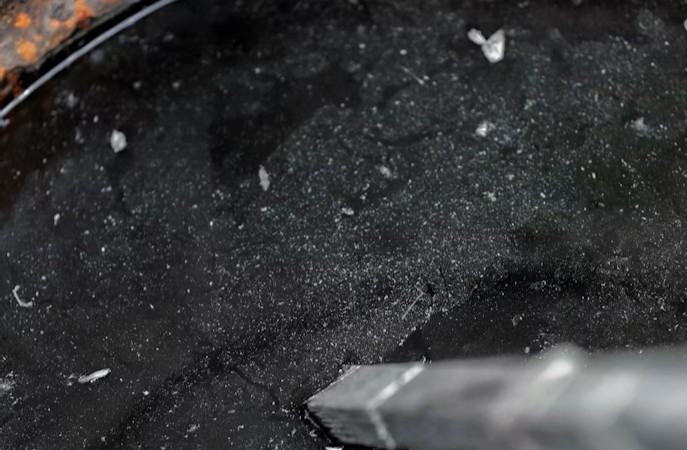
Sodium humate is the sodium salt of humic acid, an organic compound extracted from natural sources like lignite, peat, or coal, which are rich in organic matter. It typically appears as a dark brown or black powder or granules and is highly soluble in water. This natural substance is widely used across various industries due to its unique properties, such as its ability to bind materials, disperse particles, and stabilize mixtures. Sodium humate is valued not only for its effectiveness but also for being environmentally friendly and cost-efficient, making it a go-to choice for many industrial processes.
2. Role of Sodium Humate in Industrial Binders
Sodium humate plays a critical role as a binder in industrial applications, particularly in processes that require the aggregation of fine particles into solid, cohesive forms. Its adhesive properties make it ideal for binding materials together, ensuring that the final product is strong, durable, and easy to handle. For example, in industries like metallurgy or mining, sodium humate is often used in briquetting or pelletizing, where it helps compress fine powders, such as coal dust or mineral ores, into compact briquettes or pellets. This reduces material loss, minimizes dust, and improves the efficiency of transportation and processing.
The binding power of sodium humate comes from its ability to form strong molecular interactions with particles, creating a cohesive structure. Unlike some synthetic binders, sodium humate is biodegradable and non-toxic, which makes it a sustainable option for industries aiming to reduce their environmental footprint.
3. Applications in Specific Industries
Sodium humate is used in a variety of industrial applications, particularly where strong binding is essential. Here are some key examples:
- Briquetting and Pelletizing: In the production of fuel briquettes (e.g., coal or biomass briquettes) or mineral pellets, sodium humate acts as a natural adhesive to hold fine particles together. This ensures the briquettes or pellets maintain their shape and strength during handling, storage, and use.
- Ceramics Manufacturing: In ceramics, sodium humate enhances the plasticity and workability of clay mixtures. It helps create uniform, moldable materials, resulting in high-quality ceramic products with improved structural integrity.
- Fertilizer Production: Sodium humate is used to bind granular fertilizers, ensuring consistent granule size and preventing clumping. Its ability to improve nutrient availability also makes it a valuable additive in agricultural products.
- Animal Feed Pellets: In the production of animal feed, it can serve as a binder to create durable pellets that are easier for animals to consume and for manufacturers to handle.
These applications highlight sodium humate’s versatility and its ability to meet the specific needs of different industries.
4. Additional Benefits of Sodium Humate
Beyond its primary role as a binder, sodium humate offers several secondary benefits that make it highly desirable in industrial settings:
- Dispersant Properties: Sodium humate helps evenly distribute particles within a mixture, preventing clumping and ensuring uniformity. This is especially useful in processes like fertilizer or pigment production, where consistency is critical.
- Stabilization: It enhances the stability of mixtures by improving water resistance and structural integrity. This is particularly valuable in products exposed to moisture or mechanical stress.
- Eco-Friendly Nature: Being derived from natural sources, sodium humate is biodegradable and non-toxic, making it a greener alternative to synthetic chemical binders that may harm the environment.
- Cost-Effectiveness: Sodium humate is sourced from abundant raw materials like lignite or peat, which keeps production costs low and makes it an economical choice for large-scale industrial use.
These advantages make sodium humate a practical and sustainable option for manufacturers looking to optimize their processes while minimizing environmental impact.
5. Why Choose Sodium Humate Over Synthetic Binders?
Compared to synthetic binders, sodium humate offers several unique advantages. Synthetic binders, such as petroleum-based resins or chemical polymers, may provide strong binding but often come with environmental drawbacks, including non-biodegradability and potential toxicity. Sodium humate, on the other hand, is a natural product that breaks down harmlessly in the environment. Its organic composition aligns with the growing demand for sustainable industrial practices, making it an attractive choice for companies prioritizing eco-conscious production.
Additionally, sodium humate’s versatility allows it to serve multiple functions in a single application, such as binding, dispersing, and stabilizing, which can reduce the need for additional additives. This not only simplifies the manufacturing process but also lowers costs.
6. Practical Considerations for Using Sodium Humate
When using sodium humate in industrial binders, manufacturers should consider factors like dosage, compatibility with other materials, and the specific requirements of their production process. The optimal concentration of sodium humate depends on the material being bound and the desired properties of the final product. For example, briquetting coal may require a different formulation than pelletizing fertilizers. Testing and experimentation are often necessary to determine the right balance.
Sodium humate is typically added as a powder or dissolved in water to create a solution that can be mixed with other materials. Its solubility and ease of application make it straightforward to incorporate into existing production systems. However, manufacturers should ensure that their raw materials and processes are compatible with sodium humate to achieve the best results.
7. Conclusion
Sodium humate is a highly effective and sustainable option for industrial binders, offering strong adhesive properties, environmental benefits, and versatility across various applications. From briquetting and pelletizing to ceramics and fertilizer production, it enhances the quality and durability of products while supporting eco-friendly manufacturing practices. Its natural origin, cost-effectiveness, and ability to serve multiple functions make it a valuable tool for industries worldwide.