Sodium humate is a natural, organic soil amendment that’s gaining popularity among farmers, gardeners, and land managers for its ability to improve soil health and boost plant growth. It’s made from humic substances, which come from decomposed organic matter like leonardite, peat, or brown coal, processed with sodium hydroxide to create a water-soluble salt. Think of it as a superfood for soil—it’s packed with benefits that help plants thrive, improve soil quality, and even tackle environmental challenges like drought or contamination.
What is Sodium Humate?
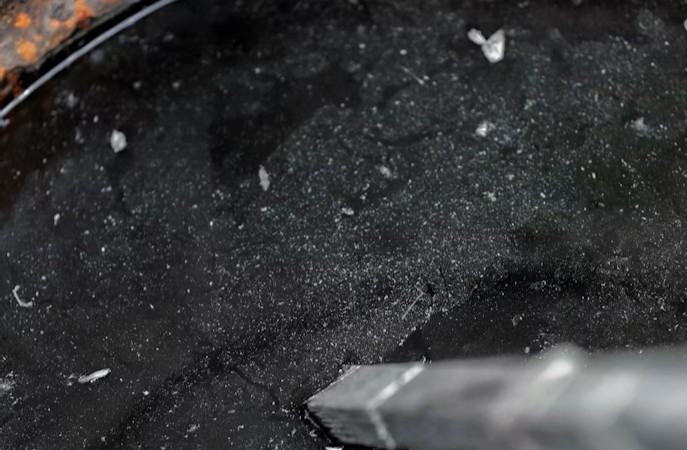
Imagine sodium humate as a dark, rich powder, granules, or liquid that looks like coffee grounds or molasses. It’s derived from ancient organic matter that’s been breaking down for millions of years, rich in humic acids (typically 50–85% of its makeup). These acids are the magic behind its soil-improving powers. The sodium part makes it dissolve easily in water, so it can mix into soil or be sprayed on plants. Its pH is usually high (9–11), which makes it slightly alkaline, and it’s used in small amounts to transform soil health over time. Unlike quick-acting chemical fertilizers, sodium humate works gradually, building long-term fertility and resilience in your soil.
How Does Sodium Humate Work?
Sodium humate is like a soil multitasker. Its humic acids are complex molecules that interact with soil particles, water, nutrients, and microbes in several ways:
- Binds Soil Particles: It glues soil together into small clumps (aggregates), making soil looser and easier for roots to grow through.
- Holds Water: It acts like a sponge, trapping water so plants can access it longer, especially in dry or sandy soils.
- Grabs Nutrients: It has a high cation exchange capacity (CEC), meaning it holds onto nutrients like nitrogen, potassium, and calcium, so they don’t wash away.
- Feeds Microbes: It’s a food source for beneficial bacteria and fungi, which break down organic matter and make nutrients available to plants.
- Cleans Toxins: It can lock up harmful heavy metals or pollutants, keeping them away from plant roots.
- Balances pH: Its alkaline nature helps neutralize acidic soils, creating a better environment for plant growth.
These actions make sodium humate a versatile tool for farmers and gardeners, whether you’re growing vegetables, grains, fruit trees, or flowers.
Benefits of Sodium Humate for Soil Improvement
Here’s a deep dive into the many ways sodium humate can transform your soil and plants, with some practical insights:
- Improves Soil Structure:
- Sodium humate helps soil particles stick together, creating a crumbly texture that’s ideal for plant roots. In heavy clay soils, it loosens things up for better drainage and air flow. In sandy soils, it binds particles to reduce erosion and hold nutrients.
- For example, a farmer in Australia spread 15 kg per hectare on sandy loam and saw soil clumps form better, letting wheat roots grow 20% deeper. This meant healthier plants and less water runoff.
- Boosts Water Retention:
- If you’ve got dry, sandy soil or live in a drought-prone area, sodium humate is a game-changer. It can hold water like a sponge, increasing soil’s water-holding capacity by 15–30%.
- A vineyard owner in California used 20 kg per hectare and cut irrigation by about 12%, saving water and money while keeping grapevines happy during hot summers.
- Holds and Delivers Nutrients:
- Sodium humate grabs onto nutrients like nitrogen, phosphorus, and potassium, keeping them in the soil instead of washing away. It can boost the soil’s nutrient-holding ability (CEC) by 20–50%, meaning plants get more of what they need.
- It also “chelates” nutrients, wrapping them in a way that makes them easier for plants to absorb. A corn farmer in Iowa applied 10 kg per hectare and saw 22% less nitrogen wash away during heavy rains, which meant healthier crops and less fertilizer waste.
- Encourages Soil Microbes:
- Healthy soil is alive with bacteria and fungi that break down organic matter and feed plants. Sodium humate gives these microbes a boost, increasing their activity by 20–40%. This helps cycle nutrients and even fights off some soil diseases.
- A soybean farmer in India mixed 8 kg per hectare with bacteria that fix nitrogen, and her plants grew 15% more root nodules, leading to better growth and 12% higher yields.
- Reduces Toxins in Soil:
- If your soil is near industrial areas or has heavy metals like lead or cadmium, sodium humate can help. It binds these toxins, reducing how much plants absorb by 25–40%.
- In China, a rice field near a factory used 30 kg per hectare, cutting lead in the rice grains by 35%, making the crop safer to eat.
- Fixes Soil pH and Salinity:
- Sodium humate’s slight alkalinity helps balance acidic soils, bringing them closer to the 6–7 pH range most plants love. In salty soils, it swaps out harmful sodium ions, reducing stress on plants.
- A barley farmer in Egypt applied 25 kg per hectare to salty, alkaline soil and lowered the pH from 8.5 to 7.2, boosting yields by 20%.
- Helps Plants Grow Stronger:
- Beyond soil, sodium humate directly helps plants by promoting bigger roots (10–20% more root mass) and better photosynthesis. This can lead to 15–25% higher yields and tougher plants that handle drought, heat, or salt better.
- A tomato grower in Spain used 15 kg per hectare and got 18% bigger fruits and 22% more tomatoes overall, even during a dry season.
How to Use Sodium Humate
Sodium humate comes in powder, granules, or liquid forms, and you can apply it in several ways depending on your setup.
- Sprinkle on Soil:
- How Much: Use 5–50 kg per hectare. Start with 5–10 kg for fertile soils or 20–50 kg for poor, sandy, or compacted soils.
- How to Do It: Spread it evenly over the soil and mix it into the top 10–20 cm before planting. For trees or shrubs, sprinkle around the base and water it in.
- Example: A wheat farmer in Kansas spread 20 kg per hectare on sandy soil, tilled it in, and saw 15% better yields with less erosion.
- Mix with Compost or Manure:
- How Much: Add 5–10% sodium humate by weight to compost, manure, or biochar (e.g., 50–100 kg per ton of compost).
- How to Do It: Blend it thoroughly and spread 10–20 tons per hectare. This supercharges your organic fertilizer, making nutrients stick around longer.
- Example: A vegetable farmer in India mixed 10% sodium humate into cow manure and spread it on her fields, getting 20% more tomatoes and using less chemical fertilizer.
- Make a Liquid Spray or Drench:
- How Much: Dissolve 1–5 grams per liter of water. Mix with liquid fertilizers like fish emulsion for extra punch. Use 1–5 liters per hectare for spraying or drenching.
- How to Do It: Spray on plant leaves or pour around roots every 2–4 weeks during early growth. It’s great for quick boosts.
- Example: A gardener in California sprayed a 2 g/L solution on lettuce, noticing 10% faster growth and brighter green leaves.
- Pair with Microbe Boosters:
- How Much: Use 5–10 kg per hectare alongside microbial products like rhizobia (for beans) or mycorrhizal fungi (for roots).
- How to Do It: Mix with the microbes and apply during planting, or coat seeds before sowing. This helps microbes thrive and feed plants better.
- Example: A soybean farmer in Brazil used 8 kg per hectare with nitrogen-fixing bacteria, boosting root nodules by 15% and yields by 12%.
- Add to Hydroponics:
- How Much: Add 0.1–0.5 grams per liter to nutrient solutions.
- How to Do It: Stir into hydroponic tanks to improve nutrient uptake and root health.
- Example: A hydroponic lettuce grower added 0.2 g/L and saw plants grow 10% faster with stronger roots.
Practical Tips for Using Sodium Humate
- Check the Quality: Not all sodium humate is equal. Products from leonardite (50–85% humic acid) work better than peat-based ones (30–40%). Ask suppliers for a certificate showing humic acid content. Reputable brands like Saint Humic Acid,… are good bets.
- Test Your Soil: Before using, test your soil’s pH, organic matter, and nutrients. This helps you pick the right amount and avoid issues like making alkaline soils too basic.
- Start Small: Try a small dose (5–10 kg per hectare) on a test plot to see how your soil and plants respond before going all-in.
- Be Patient: Sodium humate isn’t a quick fix like chemical fertilizers. You’ll see results in 2–4 weeks, with bigger benefits over months or years.
- Store Properly: Keep dry forms in a cool, dry place (they last 2–5 years). Liquids last 1–2 years. Wear gloves and a mask when handling powder to avoid breathing dust.
- Watch Costs: It costs $0.50–3 per kg, so large farms might spend $500–1500 per hectare. Gardeners might spend $10–50 per season. The upfront cost is high, but it saves money on fertilizer and water over time.
Real-World Examples
Here’s how sodium humate is making a difference around the world:
- Farming: A 2023 study in a farming journal found that 20 kg per hectare mixed with compost boosted tomato and wheat yields by 15–25%. The soil held 30% more nutrients and 20% more water.
- Vineyards: A California grape grower used 15 kg per hectare, cutting irrigation by 12% and getting 10% sweeter grapes, which meant better wine.
- Land Cleanup: In China, 30 kg per hectare on lead-polluted soil cut lead in rice by 35%, making it safe to eat.
- Organic Farms: An Indian rice farmer mixed 15 kg per hectare with manure, growing 20% more rice and using 15% less chemical fertilizer.
- Gardening: A home gardener in the U.S. added 10 kg per hectare to sandy garden beds and saw roses and veggies thrive with 30% less watering.
Things to Watch Out For
- It’s Not Instant: Unlike synthetic fertilizers, sodium humate takes time to show results. Don’t expect miracles overnight.
- Soil Matters: It works best in soils with some organic matter already. In really poor soils, pair it with compost or manure for better results.
- Quality Varies: Cheap, low-quality products might have less humic acid and do little for your soil. Stick to trusted suppliers.
- Don’t Overdo It: Too much in alkaline soils (pH above 7.5) can make things too basic, locking up nutrients. Test your soil regularly.
- Check Rules: If you’re an organic farmer, make sure sodium humate meets local standards (like USDA Organic or EU Organic). Some coal-based products might not qualify.
Why It’s Good for the Environment and Your Wallet
- Eco-Friendly: By reducing the need for chemical fertilizers (by 10–20%), sodium humate cuts down on pollution and greenhouse gases from fertilizer production.
- Saves Money: It’s pricey upfront, but you’ll save 10–20% on fertilizer and 10–15% on water over time, especially in dry areas.
- Builds Soil for the Future: Regular use adds organic matter, making soil healthier and more resilient to drought or heavy rains.
How to Get Started
- Test Your Soil: Get a soil test to know your starting point (pH, nutrients, organic matter).
- Pick a Quality Product: Look for leonardite-based sodium humate with high humic acid (50–85%). Check supplier like Saint Humic Acid.
- Start Small: Try 5–10 kg per hectare on a small area and watch how plants and soil respond.
- Mix and Match: Combine with compost, manure, or microbes for bigger benefits.
- Monitor and Adjust: Check soil and plant health after a few weeks and tweak your approach as needed.