
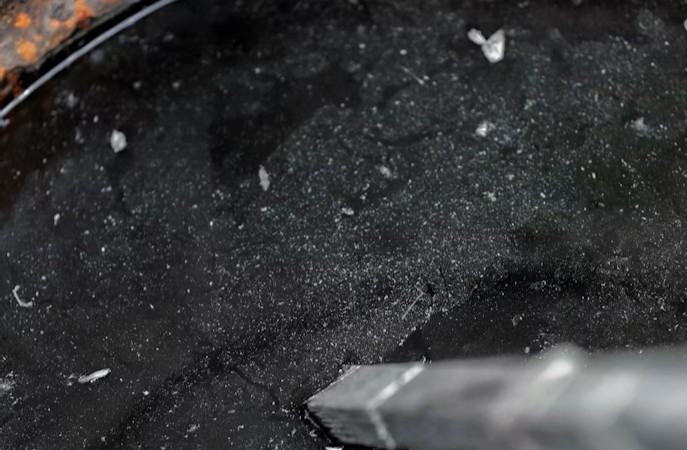
Humate, derived primarily from oxidized lignite deposits such as leonardite, represents a concentrated source of humic substances, including humic acids, fulvic acids, and humin. These organic compounds are formed through the microbial decomposition of ancient plant materials over geological timescales. Unlike synthetic fertilizers, humate serves as a biostimulant and soil conditioner, facilitating improved physical, chemical, and biological properties of the soil matrix. Humate’s application during the fall season is strategically advantageous, as declining air temperatures coincide with residual soil warmth, creating an optimal environment for microbial proliferation and root system fortification prior to winter dormancy.
Detailed Composition and Mechanisms of Action
Humate typically contains 50–90% humic acids by weight, depending on the source and processing method. Humic acids are high-molecular-weight polymers that bind to soil particles, while fulvic acids—lower in molecular weight—exhibit greater solubility and mobility, enabling direct interaction with plant roots. Key mechanisms include:
- Chelation and Nutrient Mobilization: Humic substances form stable complexes with micronutrients (e.g., iron, zinc, manganese) and macronutrients (e.g., phosphorus, potassium), preventing fixation in alkaline or clay soils and increasing bioavailability by 20–50% in many cases, as demonstrated in agronomic studies.
- Soil Aggregation and Porosity Enhancement: By promoting flocculation of clay particles and stabilization of organic matter, humate improves aeration and drainage, reducing compaction indices by up to 30% in heavy soils.
- Microbial Ecosystem Stimulation: It serves as a carbon substrate for beneficial bacteria (e.g., Bacillus spp.) and fungi (e.g., mycorrhizae), accelerating organic matter turnover and enzyme production, which in turn mineralizes locked nutrients.
- pH Buffering and Stress Mitigation: Humate moderates soil pH extremes, fostering a neutral range conducive to root activity, and induces physiological responses in plants, such as increased antioxidant enzyme activity, to combat environmental stressors.
These attributes position humate as an integral component of integrated soil management programs, particularly in fall regimens where long-term soil health is prioritized over immediate foliar growth.
Strategic Rationale for Fall Application
Fall treatments capitalize on the transitional phase between active growth and dormancy. Soil temperatures above 50°F (10°C) sustain microbial activity, while reduced evapotranspiration minimizes product loss. Application in this window yields several season-specific benefits:
- Preparation for Winter Dormancy: Strengthened root systems, often extending 20–30% deeper with humate use, improve cold hardiness and reduce winterkill in turfgrasses.
- Thatch Management: Enhanced decomposition of accumulated organic debris prevents fungal disease proliferation (e.g., snow mold) and improves spring green-up.
- Nutrient Banking: Chelated nutrients are stored in soil reserves, providing a readily accessible pool for early spring demands without the risk of excessive top-growth that could be damaged by frost.
- Erosion and Runoff Control: Improved soil structure minimizes nutrient loss during autumn rains, supporting environmental stewardship in watershed-sensitive areas.
- Synergy with Fall Fertilizers: Combining humate with slow-release nitrogen sources (e.g., polymer-coated urea) extends nutrient release, aligning with root uptake patterns observed in cool-season grasses.
Empirical data from university extension trials indicate that fall-applied humate can increase spring turf density by 15–25% and reduce fertilizer requirements in subsequent seasons by enhancing efficiency.
Expanded Application Protocols and Rates
Precise application depends on soil type, existing organic matter content, and target vegetation. A preliminary soil analysis—measuring pH, cation exchange capacity (CEC), and organic matter percentage—is essential to tailor rates and avoid over-amendment. General protocols are outlined below, with adjustments for specific scenarios.
Lawn and Turfgrass Applications
- Timing: Early fall (soil temperature 55–70°F / 13–21°C) for cool-season grasses; mid-fall for warm-season varieties entering dormancy.
- Standard Rate: 8–12 lb per 1,000 sq ft (3.9–5.9 kg per 100 m²) of granular humate (e.g., 70% humic acid content).
- Method: Broadcast evenly using a spreader calibrated for fine particles. Apply to dry turf, followed by irrigation (0.25–0.5 inches) to incorporate into the top 1–2 inches of soil. Avoid application within 48 hours of heavy rainfall to prevent runoff.
- Integration: Apply concurrently with or immediately following fall fertilizer (e.g., 1 lb N per 1,000 sq ft from a 25-0-10 formulation). For overseeding, incorporate humate into the seedbed for enhanced germination.
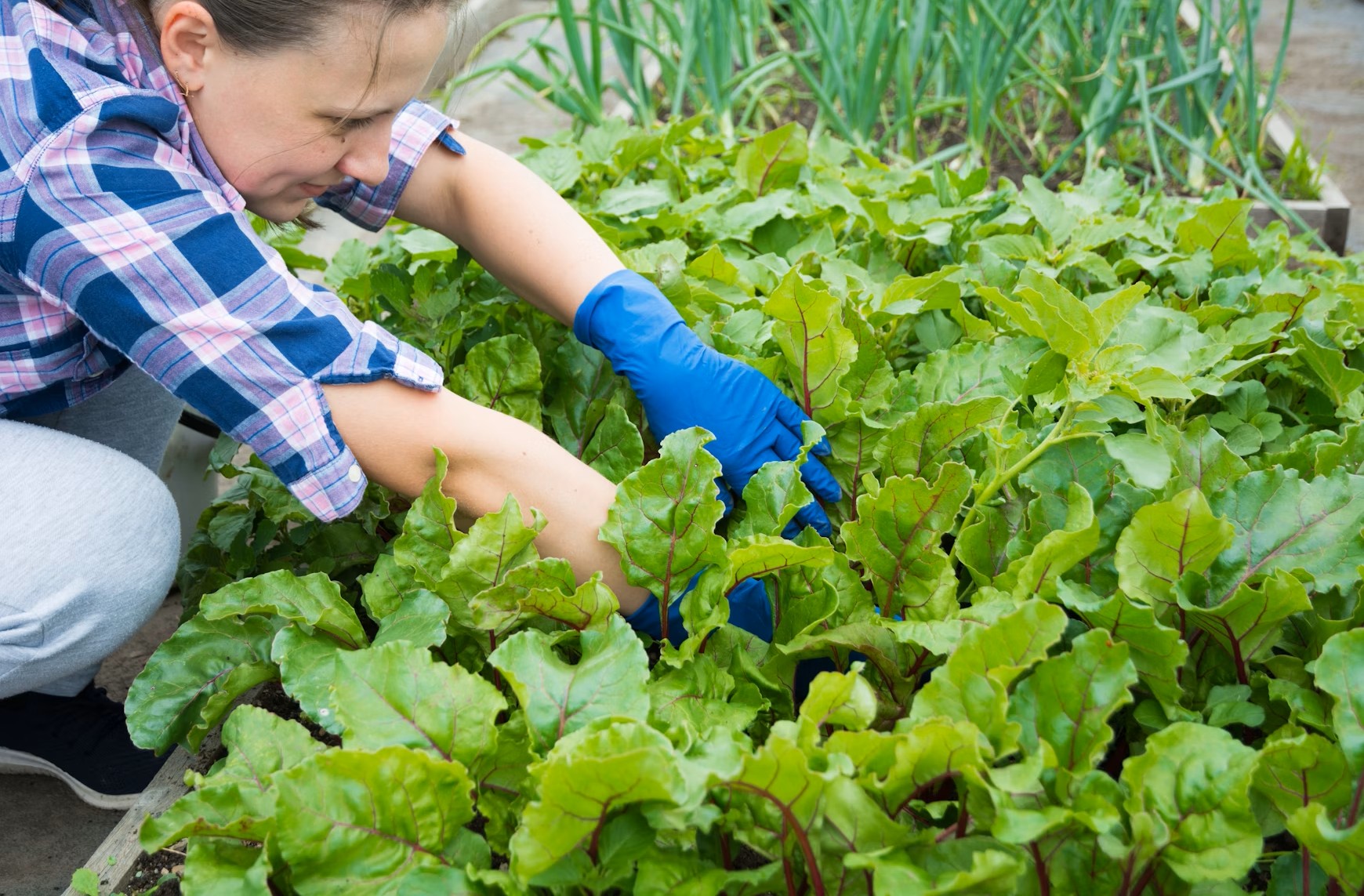
Garden Beds and Vegetable Plots
- Timing: 2–4 weeks prior to the first frost to allow soil integration.
- Rate: 20–50 lb per 1,000 sq ft (9.8–24.4 kg per 100 m²) for established beds; up to 100–150 lb for new or depleted soils.
- Method: Till or spade into the upper 6–8 inches of soil. For no-till systems, top-dress and lightly rake. Suitable for perennials, bulbs, and cover crops.
- Crop-Specific Notes: Brassicas and root vegetables benefit from higher rates due to phosphorus mobilization; avoid excess in legume beds to prevent nitrogen fixation inhibition.
Trees, Shrubs, and Ornamental Plantings
- Timing: Late summer to early fall, aligning with root flush periods.
- Rate: 5–10 lb per tree (based on trunk diameter: 1 lb per inch DBH); 2–5 lb per shrub.
- Method: Distribute evenly within the drip line, avoiding direct contact with trunks. Incorporate lightly or mulch over. For container plants, mix 1–2% humate by volume into potting media.
- Evergreen Considerations: Enhances needle retention and reduces winter burn in conifers.
Liquid Humate Formulations
- Concentration: 6–12% humic acid solutions.
- Rate: 1–3 gallons per acre (9–28 L per hectare) via foliar spray or soil drench.
- Advantages: Rapid absorption; suitable for hydroseeding or irrigation injection.
| Scenario | Base Rate (per 1,000 sq ft) | Adjustment Factors | Expected Outcomes |
|---|---|---|---|
| Sandy Soils | 5–8 lb | Increase by 20% if OM <1% | Improved water retention; reduced leaching |
| Clay/Compacted Soils | 12–15 lb | Decrease if CEC >25 meq/100g | Enhanced drainage; reduced cracking |
| High-pH Alkaline Soils | 10–12 lb | Pair with sulfur if pH >7.5 | Nutrient unlock; pH moderation |
| Organic-Rich Soils | 6–10 lb | Minimal if OM >5% | Microbial boost without overload |
Potential Limitations and Mitigation Strategies
- Temporary Darkening: High rates may stain light-colored surfaces; rinse immediately if needed.
- Interaction with Herbicides: Avoid simultaneous application with pre-emergents containing dithiopyr, as binding may reduce efficacy—space by 7–10 days.
- Over-Application Risks: Excessive use in low-CEC soils can lead to nutrient tie-up; monitor via tissue testing.
- Regional Variability: In humid climates, prioritize drainage enhancement; in arid zones, focus on water retention.
Long-Term Integration and Monitoring
Incorporate humate into a multi-year soil-building strategy. Annual fall applications at maintenance rates (5–8 lb/1,000 sq ft) sustain benefits, with periodic soil tests guiding adjustments. Track indicators such as earthworm activity, infiltration rates, and plant vigor to quantify improvements.
In summary, fall humate treatments constitute a scientifically grounded investment in soil vitality, yielding compounded advantages through enhanced nutrient cycling, structural integrity, and biological activity. For site-specific recommendations or procurement, consult local agricultural extensions or certified suppliers.


Comments
One response to “Humate for fall treatment”
真免费!价值万元资源,不要一分钱,网址:https://www.53278.xyz/