All About Humic Acid Sodium Salt (Sodium Humate)
Humic acid sodium salt, better known as sodium humate, is a natural substance that comes from decayed plant and animal matter found in things like coal or soil. It’s like a super helpful tool used in farming, animal care, cleaning up the environment, and even in factories or skincare products. It’s made by taking humic acid from lignite (a soft type of coal) and mixing it with sodium hydroxide to make it dissolve in water. This makes it easy to use for all kinds of jobs, from growing better crops to keeping animals healthy.
What is Sodium Humate?
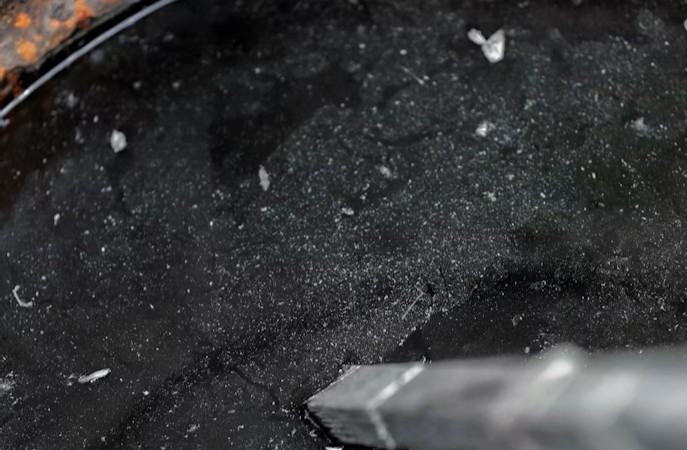
Sodium humate is a black or dark brown substance that can be a powder, shiny flakes, or small crystals. It comes from lignite or leonardite, which are types of soft coal formed over millions of years from dead plants. When humic acid from this coal is mixed with sodium hydroxide (a common chemical), it turns into sodium humate, which dissolves completely in water. This makes it super useful for things like spraying on plants, mixing into animal feed, or cleaning up dirty water.
Here’s what makes sodium humate special:
- Looks: It’s black or dark brown, either as a fine powder, shiny flakes, or tiny crystals. It doesn’t smell or cause harm.
- Water-Friendly: It mixes easily with water, turning it dark and making it simple to use in liquids.
- pH: It’s pretty basic (not acidic), with a pH of about 9 to 11, which helps it work in different situations.
- What’s in It: It’s mostly humic acid (50–70% or more in high-quality versions), plus some fulvic acid and tiny bits of minerals. It has special chemical parts (like carboxyl and hydroxyl groups) that act like magnets to grab onto nutrients, toxins, or metals.
- Safe and Stable: It’s safe to use, doesn’t corrode things, and stays good as long as it’s not exposed to extreme heat or strong acids.
These features make sodium humate a go-to choice for lots of practical tasks, like helping plants grow or cleaning up pollution.
How is Sodium Humate Made?
Making sodium humate is pretty straightforward. It starts with lignite or leonardite, which are full of humic substances from ancient decayed plants. Here’s how it’s done:
- Dig It Up: Companies mine lignite or leonardite from the ground.
- Pull Out the Humic Acid: They mix the coal with sodium hydroxide, which pulls out the humic acid.
- Make the Salt: The humic acid combines with the sodium hydroxide to create sodium humate, which dissolves in water.
- Shape It: The sodium humate is dried and turned into powder, flakes, or crystals, depending on what it’s needed for.
- Check the Quality: For uses like animal feed or farming, it’s tested to make sure it’s clean and free of harmful stuff like heavy metals.
The better the starting material and the more careful the process, the higher the quality. For example, “super sodium humate” has more humic acid (70% or higher) and is extra pure for things like organic farming or animal feed.
What Can Sodium Humate Do?
Sodium humate is like a multi-tool—it’s used in all sorts of ways because it can stick to things like nutrients or toxins. Here’s a closer look at its main uses, with examples to show how it works in real life.
1. Farming: Making Plants and Soil Better
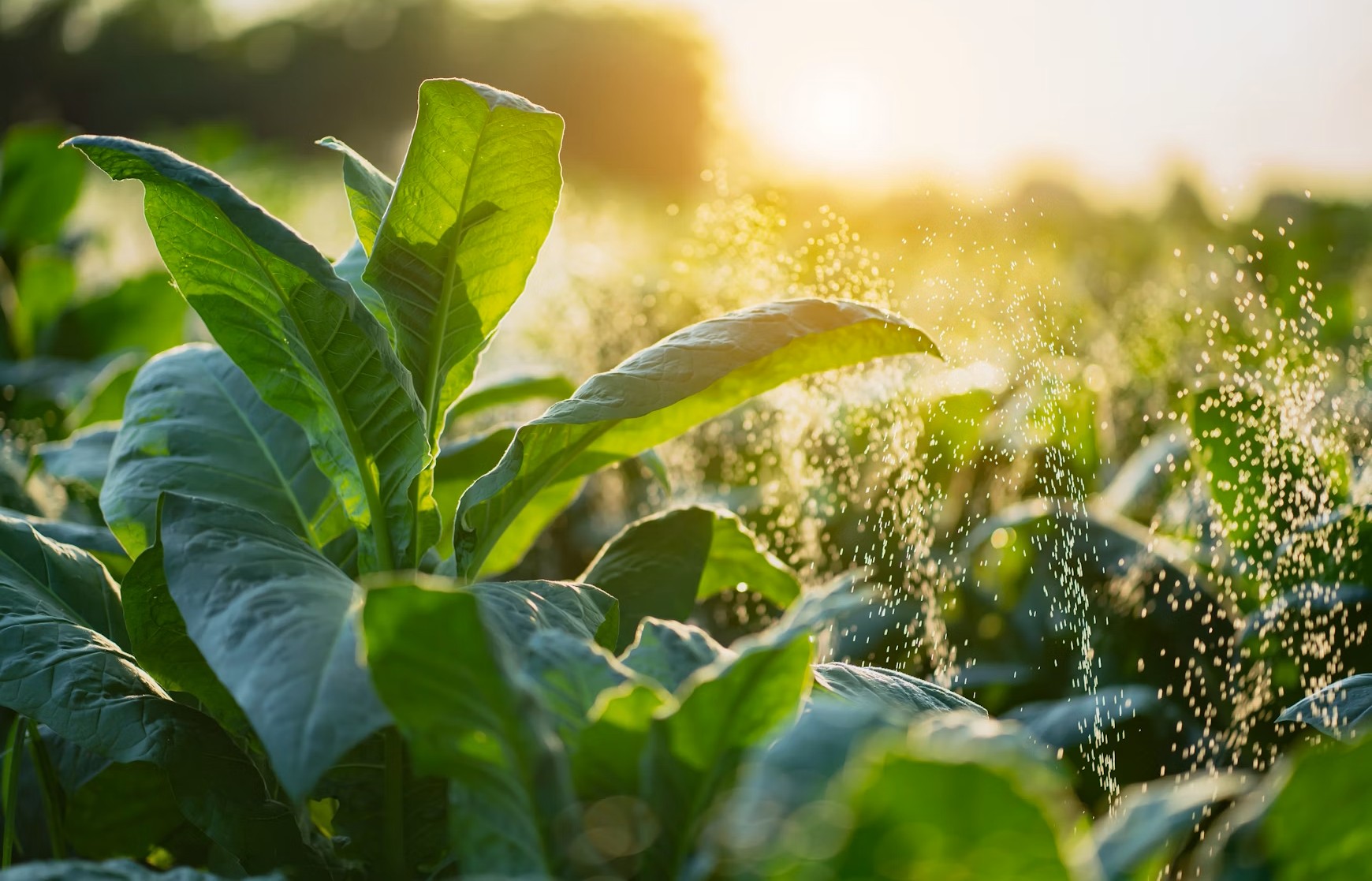
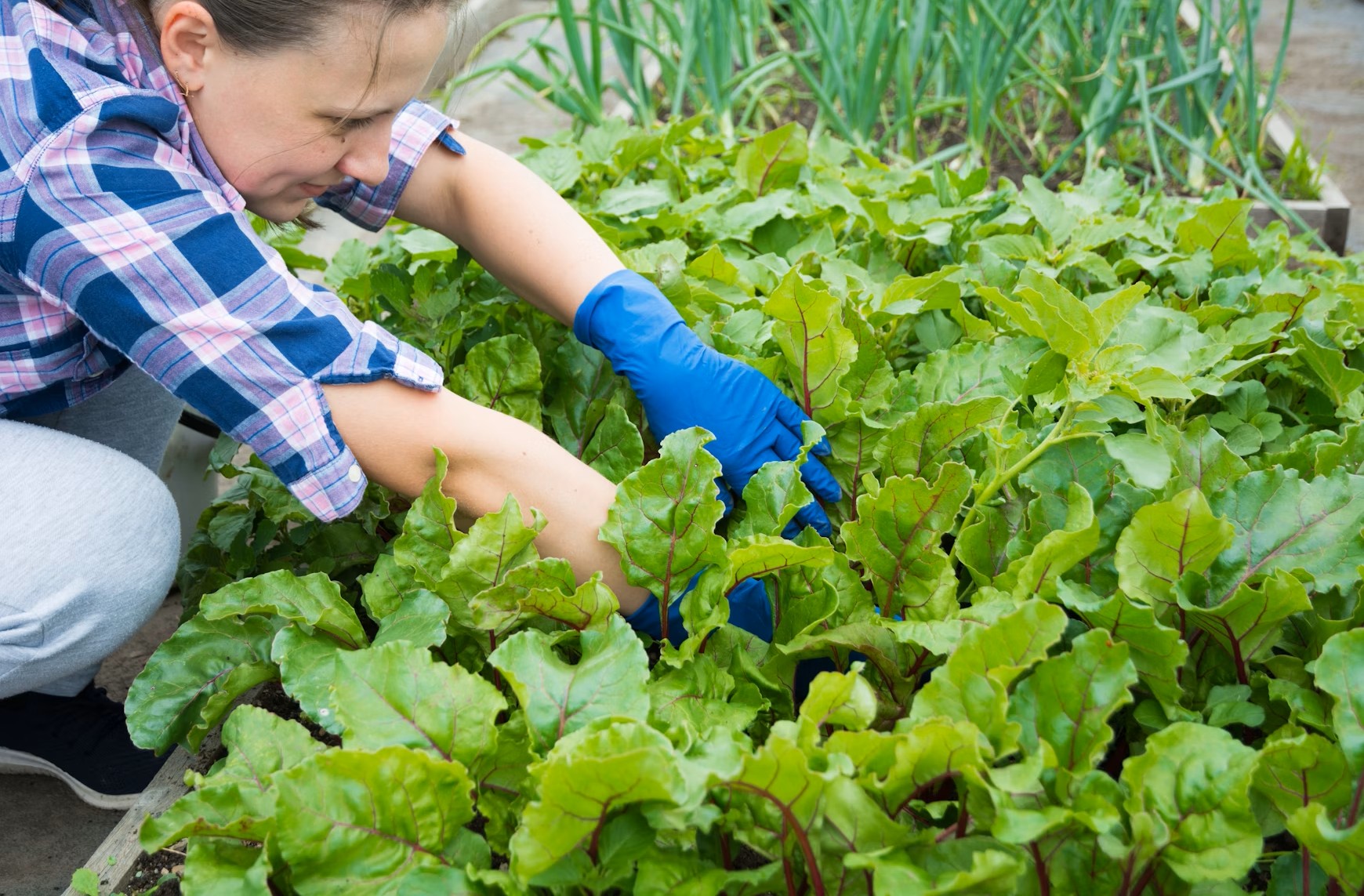
Sodium humate is a big help for farmers and gardeners. It’s like a natural boost for soil and plants, helping grow better crops without needing lots of chemical fertilizers. Here’s what it does:
- Fixes Soil: It helps soil hold water and nutrients, so plants don’t dry out or go hungry. It also loosens hard soil, making it easier for roots to grow.
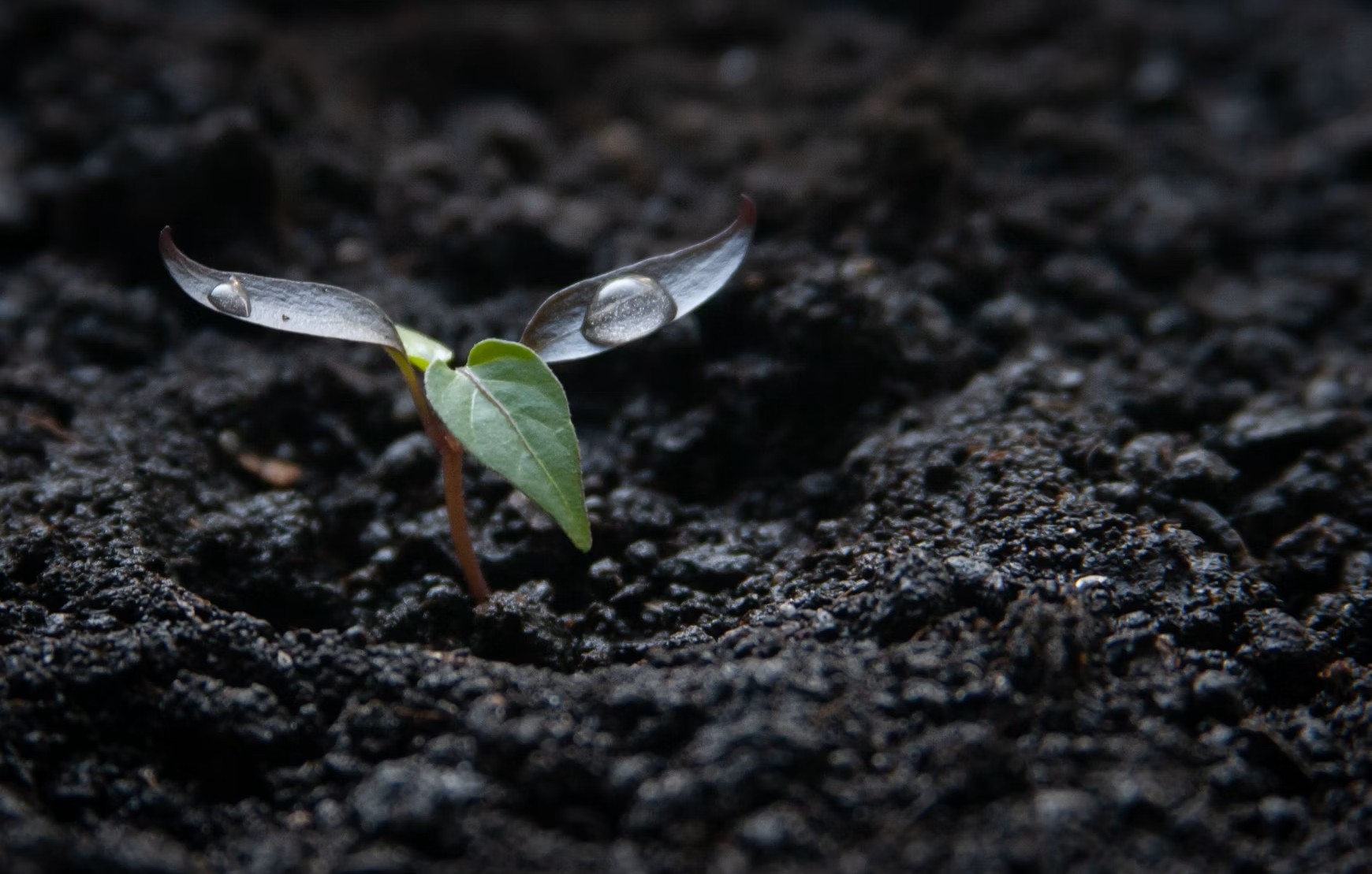
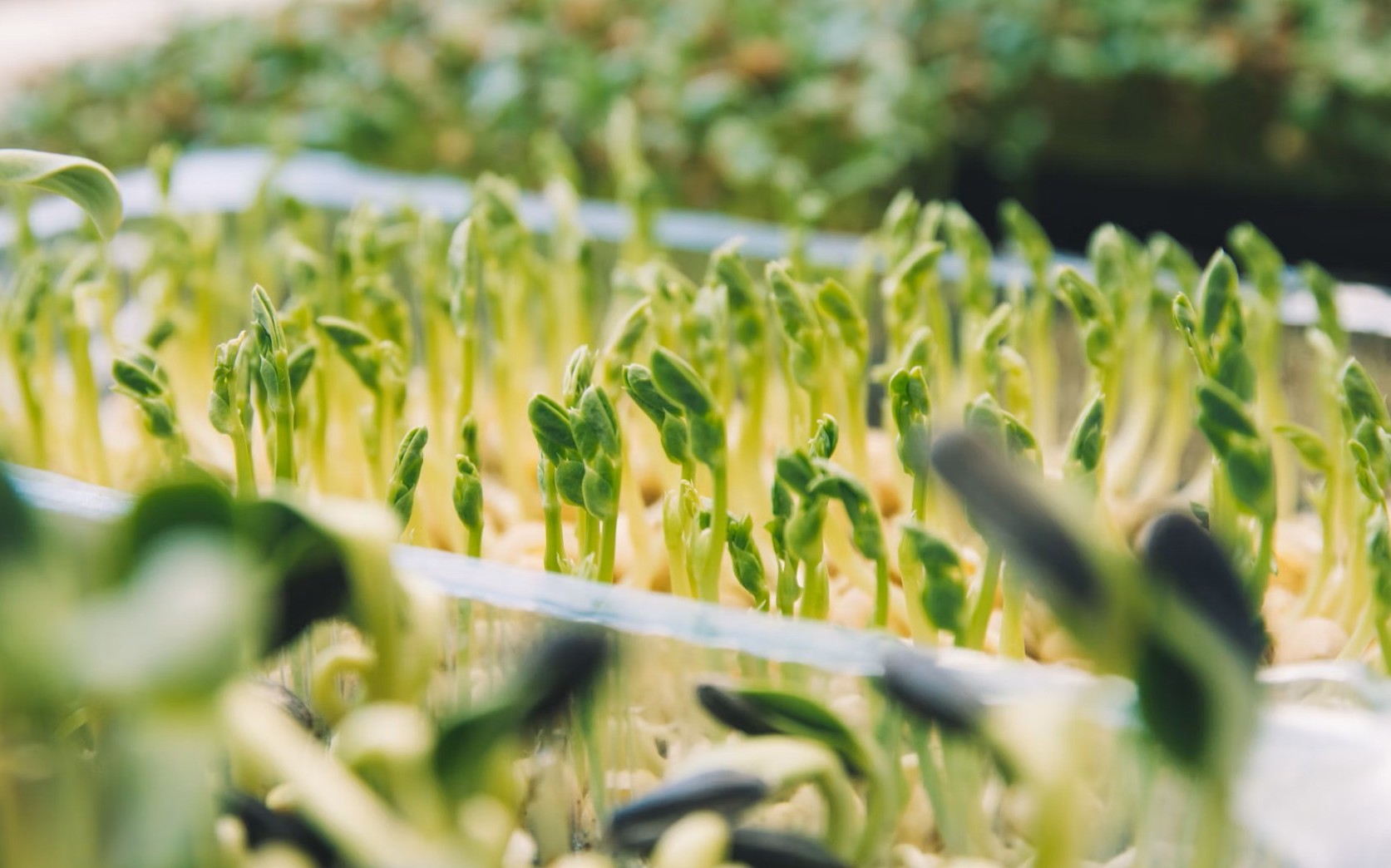
- Helps Plants Grow: It makes seeds sprout faster, roots grow deeper, and plants stay stronger. It’s like giving plants a healthy snack.
- Holds Nutrients: It grabs onto nutrients like nitrogen or potassium, keeping them in the soil so plants can use them over time.
- Fights Stress: It helps plants deal with tough conditions like dry spells, salty soil, or hot weather by making them tougher.
- Better Crops: Studies show it can make crops healthier. For example, it increases antioxidants (like flavonoids) in lemons, making them more nutritious.
Example: A farmer growing carrots might mix sodium humate into the soil to get bigger, sweeter carrots that can handle dry weather better.
How It’s Used: You can spray it on plant leaves, mix it into the soil, or add it to irrigation water. It’s a favorite in organic farming because it’s natural and safe.
2. Animal Feed: Keeping Animals Healthy
Farmers use sodium humate in feed for animals like chickens, pigs, cows, fish, and even pets. It’s like a natural vitamin that keeps animals healthy. Here’s how it helps:
- Cleans Feed: It sticks to toxins and heavy metals (like lead) in feed, so they don’t harm the animal.
- Better Digestion: It helps good bacteria grow in the animal’s stomach, making digestion easier and reducing tummy troubles.
- Faster Growth: Research on chickens shows it helps them grow bigger, produce better meat, and stay healthy.
- Stronger Immunity: It boosts the immune system, so animals get sick less and need fewer antibiotics.
- Fish Farming: In fish or shrimp farms, it cleans the water and helps the animals grow better.
Example: A chicken farmer might add sodium humate to feed to keep the chickens healthy, reduce bad bacteria, and get better eggs or meat.
Quality Note: Feed-grade sodium humate has to be very clean and free of harmful stuff to be safe for animals. It’s tested carefully to meet strict rules.
3. Cleaning the Environment: Tackling Pollution
Sodium humate is great for cleaning up messes in soil or water. Its ability to grab onto bad stuff makes it a natural choice for:
- Trapping Metals: It binds to toxic metals like lead or mercury in soil or water, keeping them from harming plants, animals, or people.
- Cleaning Water: It helps remove pollutants from wastewater, making it safer to reuse or release into rivers.
- Fixing Soil: It can clean up soils damaged by things like oil spills or factory waste, helping them become usable again.
Example: A city might use sodium humate in its water treatment plant to pull out harmful metals from factory runoff, keeping rivers clean.
4. Industry: Helping Factories Work Better
Sodium humate is used in all kinds of industries because it can stabilize and bind things. Here are some examples:
- Oil Drilling: It’s added to drilling mud (a liquid used in oil wells) to keep it the right thickness and stop leaks.
- Ceramics: It holds clay together, so ceramics don’t break when they’re shaped or baked.
- Biofuels: In ethanol plants, it helps yeast work better, making more fuel from crops like corn.
- Water-Holding Gels: It’s used to make gels that soak up water, like in diapers or gels that keep plants hydrated in dry places.
Example: An oil company might use sodium humate in drilling mud to make drilling smoother and avoid equipment problems.
Quality Note: Industrial-grade sodium humate doesn’t need to be as pure as feed-grade, but it’s made to work well for specific jobs.
5. New Uses: Skincare, Medicine, and More
Sodium humate is popping up in some cool new areas:
- Skincare: It’s added to creams or face masks because it can protect skin from damage and clean out impurities.
- Medicine: Scientists are looking at whether it can help heal wounds or carry medicines in the body.
- Other Ideas: It’s being tested for things like eco-friendly plastics or batteries because of its unique chemical properties.
Example: A skincare company might put sodium humate in a face mask to help clean the skin and protect it from pollution.
Why Sodium Humate is So Great
Sodium humate works so well because of its special chemical parts. Those carboxyl and hydroxyl groups act like tiny hands that grab onto nutrients, toxins, or metals. This lets it:
- Trap harmful stuff, keeping it out of plants, animals, or water.
- Hold onto nutrients, so plants or animals can use them better.
- Keep mixtures stable, like soil, feed, or drilling mud.
- Help natural processes, like good bacteria in soil or animal stomachs.
Plus, it’s made from natural stuff, it’s safe, and it breaks down without harming the environment, so it’s a great choice for green projects.
Different Types of Sodium Humate
Sodium humate comes in a few forms and grades to fit different needs:
- Super Sodium Humate: The fancy version, with 70% or more humic acid and super high purity. It’s used for sensitive stuff like organic farming or animal feed.
- Forms:
- Powder: Fine and easy to mix into water or feed.
- Flakes: Shiny pieces (1–2 mm or 2–4 mm) that dissolve well, great for soil or industry.
- Crystals: Bigger chunks for slow-release uses, like long-term soil improvement.
- Grades:
- Feed Grade: Really pure, safe for animals, with low toxins.
- Agricultural Grade: Good for plants and soil, not as strict on purity.
- Industrial Grade: Made for factory uses, where purity isn’t as important.
Example: A shrimp farmer might use feed-grade powder for fish feed, while a gardener might pick agricultural-grade flakes for their flower beds.
Is Sodium Humate Safe?
Yes, sodium humate is safe when used the right way. Since it comes from natural coal, it’s non-toxic and doesn’t harm people, animals, or the environment. It breaks down naturally, so it doesn’t leave behind harmful waste. A few things to keep in mind:
- Handling: Wear gloves and maybe a mask when working with the powder to avoid getting it in your eyes or breathing it in.
- Storage: Keep it in a cool, dry place so it doesn’t clump up or lose its strength.
- Quality: For animal feed or farming, buy from trusted suppliers who test for things like heavy metals. Look for certifications like ISO to know it’s safe.
Example: A farmer should store sodium humate in a dry barn and wear gloves when mixing it into soil to avoid dust.
Where Can You Get Sodium Humate?
You can buy sodium humate from suppliers around the world, especially in places like China or India where lignite is common. It comes in:
- Big Bags: Usually 25 kg or 50 kg for farms or factories.
- Drums: Smaller containers for special uses.
- Small Packets: 1 kg or less for home gardeners or small projects.
The price depends on the type and amount you buy. Super sodium humate costs more because it’s purer, while industrial-grade is cheaper. Always check the label for details like humic acid percentage and whether it’s suited for your needs.
What’s Next for Sodium Humate?
People are finding new ways to use sodium humate, which means it could become even more important. Some ideas being explored include:
- Greener Farming: Helping crops survive tough conditions like drought, so farmers use fewer chemicals.
- Healthier Animals: Reducing the need for antibiotics by keeping animals stronger naturally.
- Cleaning the Planet: Cleaning up more polluted soil and water, like after oil spills.
- Medical Uses: Maybe helping with things like healing cuts or delivering medicines in the body.
- Eco-Friendly Products: Making things like biodegradable plastics or better batteries.
These possibilities show sodium humate could help solve big problems in the future, from food to the environment.
Wrapping It Up
Sodium humate, or humic acid sodium salt, is a natural, do-it-all substance that’s helping farmers, animal keepers, factories, and even skincare companies. It improves soil, grows better crops, keeps animals healthy, cleans up pollution, and makes industrial jobs easier—all while being safe and eco-friendly. Whether you’re trying to grow tastier vegetables, raise stronger chickens, or clean up dirty water, sodium humate is a practical, affordable choice. As research finds new uses, it’s likely to become even more popular.