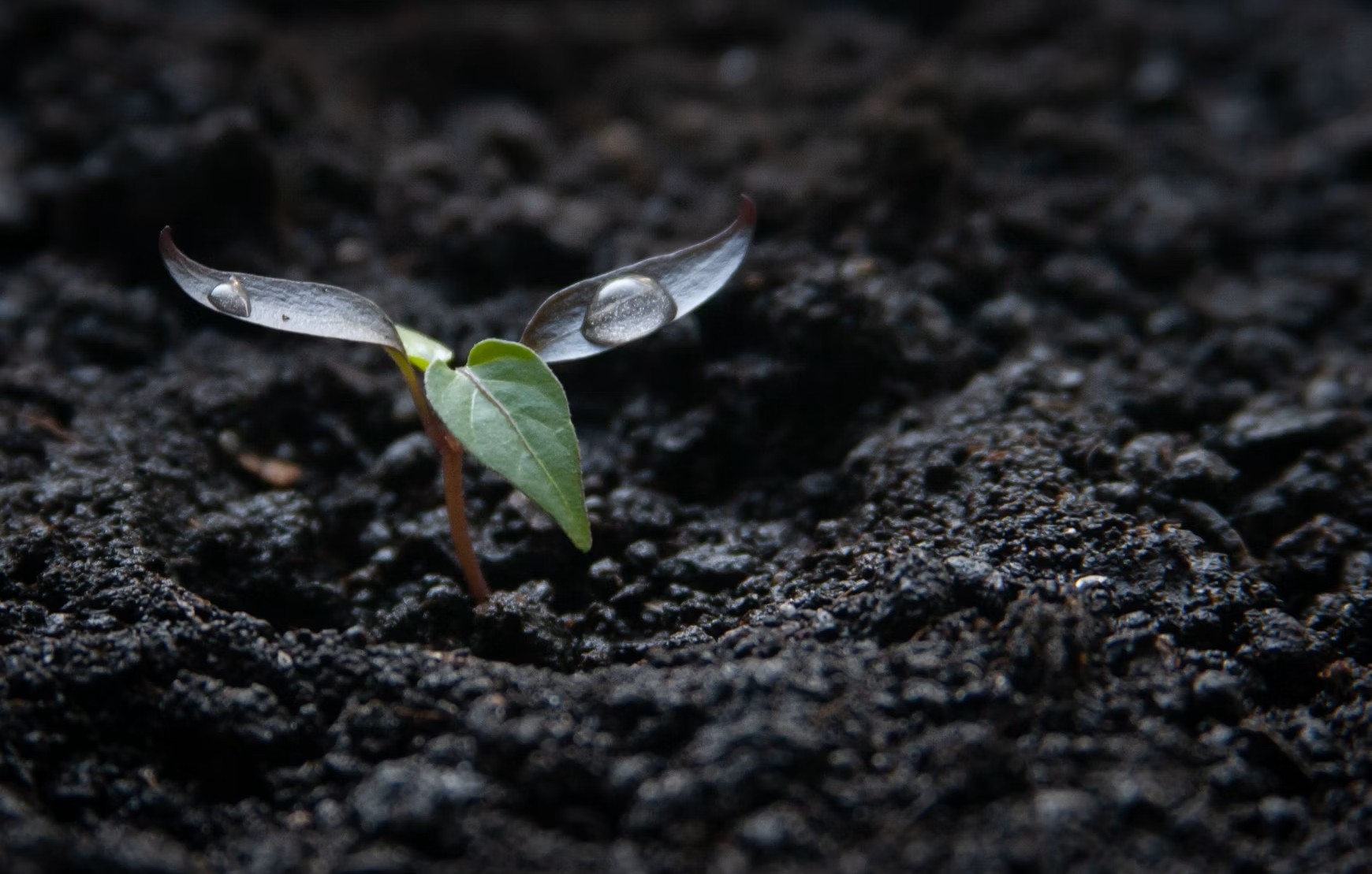
Humic acid is a naturally occurring organic substance formed through the decomposition of plant, animal, and microbial residues over long periods. It is found in rich organic materials such as humus, peat, lignite, and certain types of coal. In agriculture, horticulture, and environmental management, humic acid is widely valued for its ability to improve soil health, with a significant benefit being its capacity to enhance water retention in soil.
Understanding Humic Acid and Its Role in Soil
Humic acid is a component of humus, the dark, organic portion of soil that results from the breakdown of organic matter. It is a complex mixture of organic molecules with a high capacity to interact with water, nutrients, and soil particles. Its ability to retain water in soil makes it a critical tool for farmers, gardeners, and land managers, especially in regions where water is scarce or soils struggle to hold moisture. By improving the soil’s ability to store water, humic acid helps plants access moisture more consistently, reducing the need for frequent irrigation and supporting healthy growth even in challenging conditions.
Mechanisms by Which Humic Acid Enhances Water Retention
- Improvement of Soil Structure: Humic acid acts as a natural binding agent, helping to clump soil particles into stable aggregates. These aggregates create a crumbly, porous soil structure that resembles a sponge, capable of holding water while still allowing air to reach plant roots. In sandy soils, which often drain water too quickly, humic acid helps create a more cohesive structure that traps moisture. In contrast, in heavy clay soils, it can loosen the texture, improving water infiltration while still enhancing retention. This improved structure reduces water loss through runoff or deep drainage, ensuring more water stays where plants can use it.
- High Water-Holding Capacity: The chemical structure of humic acid includes many negatively charged sites that attract and hold water molecules through a process called hydrogen bonding. This allows humic acid to act like a reservoir, storing water in the soil for gradual release to plant roots. This is especially valuable in coarse, sandy soils or in drought-prone areas where water tends to evaporate or drain away quickly. By holding water in the root zone, it helps plants survive dry spells and reduces the stress caused by inconsistent moisture.
- Increased Cation Exchange Capacity (CEC): Humic acid significantly boosts the soil’s cation exchange capacity, which is a measure of its ability to hold onto positively charged particles, including nutrients like calcium, magnesium, and potassium, as well as water molecules. Soils with low CEC, such as sandy soils, lose water and nutrients easily through leaching. Humic acid’s high CEC allows it to act like a sponge, retaining both water and nutrients in the soil, making them available to plants over time. This property helps maintain soil moisture levels and supports plant growth during periods of low rainfall.
- Support for Soil Microorganisms: Humic acid provides a food source and favorable environment for beneficial soil microbes, such as bacteria and fungi, which play a key role in breaking down organic matter and building soil structure. These microbes produce substances that further bind soil particles, enhancing the soil’s ability to retain water. A healthy microbial community also contributes to the formation of humus, which reinforces the soil’s water-holding capacity over time. By fostering microbial activity, humic acid creates a self-sustaining system that continuously improves soil health and moisture retention.
- Reduction of Water Loss: By improving soil structure and water-holding capacity, humic acid helps minimize water loss through evaporation and runoff. In soils treated with humic acid, water is more likely to penetrate deeply rather than pooling on the surface or washing away. This is particularly important in sloped fields or areas with heavy rainfall, where runoff can erode soil and waste water. Additionally, humic acid reduces surface crusting, which can block water from entering the soil, ensuring better infiltration and storage of moisture.
- Buffering Against Environmental Stress: Humic acid helps soil maintain consistent moisture levels, which buffers plants against environmental stresses like drought or extreme heat. By keeping water available in the root zone, it reduces plant stress and supports growth even when rainfall is irregular. This is especially valuable in arid or semi-arid regions, where water conservation is critical for sustainable agriculture.
Practical Applications of Humic Acid for Water Retention
Humic acid is versatile and can be applied in various forms—granular, liquid, or powder—depending on the needs of the soil and plants. Its applications span multiple contexts:
- Agriculture: Farmers use humic acid to improve water retention in crops such as grains, vegetables, and fruits, especially in regions with sandy soils or limited irrigation. It is often applied during planting, mixed with fertilizers, or added to irrigation water to ensure even distribution.
- Horticulture: Gardeners and landscapers use humic acid in potting mixes, flower beds, and lawns to reduce watering frequency and maintain lush, healthy plants. It is particularly useful for container plants, which dry out quickly.
- Land Reclamation: In areas with degraded or eroded soils, humic acid is applied to restore soil structure, improve water retention, and support revegetation efforts, such as reforesting or stabilizing slopes.
- Soilless Growing Systems: In hydroponics or soilless media like coco coir or perlite, humic acid is added to enhance moisture retention and nutrient availability, improving plant performance in controlled environments.
- Turf Management: Golf courses, sports fields, and parks use humic acid to maintain green, healthy turf with less water, reducing maintenance costs and environmental impact.
Additional Benefits of Humic Acid
While water retention is a primary benefit, humic acid offers several other advantages that complement its role in soil moisture management:
- Nutrient Retention and Availability: Humic acid binds to essential nutrients, preventing them from leaching out of the soil and making them more accessible to plants. This enhances fertilizer efficiency and supports plant growth under water-limited conditions.
- Root Growth Stimulation: It promotes the development of stronger, deeper root systems, allowing plants to access water and nutrients from lower soil layers, which is critical during dry periods.
- Stress Resistance: Plants grown in soils treated with humic acid often show greater resilience to environmental stresses, including drought, salinity, and temperature extremes, due to improved water and nutrient availability.
- Soil Detoxification: Humic acid can bind to heavy metals and other toxins, reducing their availability to plants and improving soil health in contaminated or degraded areas.
Limitations and Practical Considerations
While humic acid is highly beneficial, its effectiveness depends on several factors, and there are important considerations to ensure optimal results:
- Soil Type Variability: Humic acid is most effective in soils with low organic matter, such as sandy or heavily degraded soils. In clay soils, which already retain water well, its primary benefit may be improving aeration and drainage rather than water retention. Soil testing is recommended to determine whether humic acid is needed and in what quantities.
- Application Rates: The amount of humic acid needed varies depending on soil conditions, crop requirements, and the product’s concentration. Typical application rates range from 10 to 100 pounds per acre for granular forms or 1 to 10 gallons per acre for liquid forms, but overuse can lead to nutrient imbalances or soil pH changes.
- Quality of Humic Acid: Not all humic acid products are equal. Those derived from high-quality sources, such as leonardite, tend to have higher concentrations of active humic substances and are more effective. Users should choose reputable products and verify their composition.
- Environmental Factors: In high-rainfall areas, humic acid can help reduce nutrient leaching by holding water and nutrients in the soil. In dry climates, it conserves water by reducing evaporation. However, its benefits may be less noticeable in soils already rich in organic matter.
- Cost and Accessibility: High-quality humic acid products can be costly, especially for large-scale applications. Farmers and gardeners should weigh the cost against the benefits, particularly for long-term soil health improvements.
- pH Considerations: It tends to lower soil pH slightly, which may not suit all crops. Regular soil testing is advised to monitor pH and ensure compatibility with plant needs.
- Integrated Approach: Humic acid is not a cure-all. It works best as part of a broader soil management strategy that includes proper irrigation, crop rotation, cover cropping, and other organic matter additions like compost or manure.
Challenges and Potential Drawbacks
- Variable Results: The effectiveness of humic acid can vary depending on soil conditions, climate, and application methods. For example, in very saline soils, its benefits may be limited unless salinity is addressed first.
- Time to See Results: While some benefits, like improved water retention, may be noticeable quickly, others, such as enhanced microbial activity or long-term soil structure improvements, may take months or years to fully manifest.
- Limited Research in Some Contexts: Although humic acid is widely used, scientific studies on its efficacy can vary in quality, and results may depend on specific conditions. Users may need to experiment to find the best approach for their soil and crops.
- Regulatory Considerations: In some regions, humic acid products are regulated as soil amendments or fertilizers, and users should ensure compliance with local agricultural guidelines.
Conclusion
Humic acid is a powerful and versatile tool for improving water retention in soil, making it an essential component of sustainable agriculture and horticulture. By enhancing soil structure, increasing water-holding capacity, supporting microbial activity, and reducing water loss, humic acid helps create a more resilient soil environment that supports plant growth, conserves water, and reduces irrigation needs. Its applications are diverse, ranging from large-scale farming to home gardening and land reclamation, with additional benefits like improved nutrient availability and plant stress tolerance. However, its effectiveness depends on proper application, soil type, and integration with other soil management practices. For best results, users should conduct soil tests, choose high-quality products, and tailor applications to their specific needs.