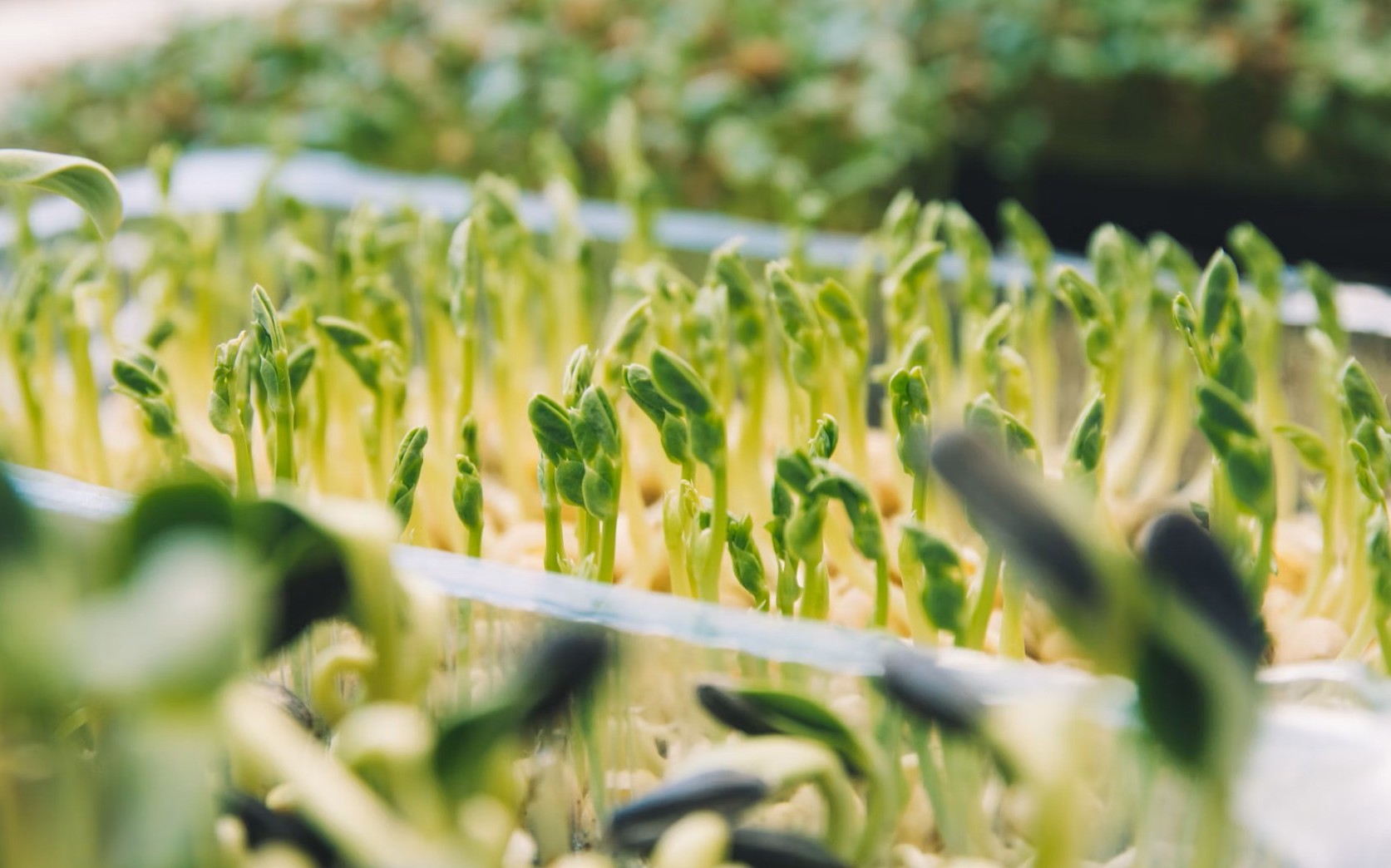
Humic acid, a naturally occurring organic compound derived from the decomposition of plant and animal matter, is widely utilized in agriculture to enhance plant growth. As a primary component of humic substances, it is sourced from materials such as leonardite, peat, compost, or lignite and plays a significant role in improving soil fertility, stimulating plant development, and increasing crop productivity in a sustainable manner.
What is Humic Acid?
Humic acid is part of humic substances, which form when organic matter like leaves, roots, or animal residues breaks down over time through microbial activity in soil. These substances are divided into three main types based on their solubility and structure:
- Humic Acid: Dark brown to black, humic acid consists of large, complex molecules. It dissolves in alkaline (basic) conditions but not in strongly acidic ones and makes up 60–80% of soil organic matter. It is highly effective for improving soil conditions and supporting plant growth.
- Fulvic Acid: Lighter in color (yellow to light brown) and smaller in size, fulvic acid dissolves in water at any pH level, making it easily absorbed by plants to transport nutrients.
- Humin: Insoluble in both acidic and alkaline conditions, humin remains in the soil for long periods, contributing to soil structure but having less direct impact on plant growth.
Humic acid contains chemical groups (e.g., carboxyl and phenolic groups) that allow it to bind to nutrients, water, and other compounds, holding them in the soil or making them easier for plants to absorb. This ability makes it a natural enhancer of plant growth, supporting both soil health and plant vitality.
How Humic Acid Promotes Plant Growth
Humic acid supports plant growth through several straightforward mechanisms that directly affect plants and improve the soil environment:
- Enhanced Nutrient Absorption: Humic acid acts like a sponge, binding to essential nutrients such as nitrogen, phosphorus, potassium, calcium, magnesium, and trace elements (e.g., iron, zinc). This prevents nutrients from becoming unavailable in the soil and makes them more accessible to plant roots, ensuring plants get what they need to grow.
- Stronger Root Systems: Humic acid stimulates root growth by encouraging cell division and elongation in root tips. Larger, denser root systems allow plants to take in more water and nutrients, leading to healthier and more robust growth.
- Hormone-Like Effects: Humic acid mimics natural plant hormones, such as auxins, which regulate growth processes like cell expansion, flowering, and fruit development. This results in taller plants, more leaves, and larger fruits or grains.
- Improved Photosynthesis: By increasing chlorophyll levels (the green pigment in leaves) and supporting enzyme activity, humic acid helps plants capture more sunlight and produce more energy, which fuels faster growth and higher yields.
- Stress Resistance: Humic acid helps plants cope with environmental challenges like drought, salty soils, or extreme temperatures. It increases the production of protective compounds (e.g., proline) and activates enzymes that shield plant cells, allowing plants to maintain growth under tough conditions.
Methods of Using Humic Acid for Plant Growth
Farmers apply humic acid in various practical ways to promote plant growth, tailored to specific crops, soil types, and farming systems:
- Soil Application: Humic acid is added to the soil as granules, powder, or liquid to improve soil quality and create a better environment for roots. Typical application rates range from 40 to 2,600 pounds per acre, depending on soil conditions and product strength.
- Foliar Spray: A diluted solution (1–2% humic acid) is sprayed onto plant leaves, allowing plants to absorb nutrients directly through their foliage. This method boosts photosynthesis, nutrient uptake, and stress tolerance. Sprays are most effective in the early morning or late afternoon when leaves absorb best.
- Seed Treatment: Seeds are soaked in a humic acid solution or coated with a humic-based product before planting. This speeds up germination, strengthens seedlings, and promotes early root growth.
- Irrigation Additive: Humic acid is mixed into drip or sprinkler irrigation systems, delivering it directly to plant roots along with water. This ensures a consistent supply of nutrients and organic matter throughout the growing season.
- Fertilizer Enhancer: Humic acid is combined with organic or synthetic fertilizers to improve their efficiency. It helps plants use fertilizer nutrients better, reducing the amount needed and minimizing waste.
These methods are versatile and can be adapted for different crops, from grains like wheat and corn to vegetables like tomatoes and fruits like grapes.
Benefits of Humic Acid for Plant Growth
Humic acid provides numerous benefits that directly enhance plant growth and indirectly support it by improving soil conditions. These benefits are categorized for clarity.
Direct Benefits to Plants
- Faster Germination and Stronger Seedlings: Soaking or coating seeds with humic acid can speed up germination by 10–20% and produce seedlings with stronger roots and stems. This gives plants a healthy start, especially in poor soils or challenging climates.
- Bigger Roots: Humic acid increases root length and density by 15–30%, allowing plants to access more water and nutrients. This is critical for crops in sandy or nutrient-deficient soils.
- Increased Growth and Yields: By boosting photosynthesis and hormone-like activity, humic acid leads to taller plants, more leaves, and greater biomass. Studies show yield increases of 12–70%, with an average boost of 15–20% for crops like wheat, corn, tomatoes, and grapes.
- Improved Flowering and Fruiting: Humic acid promotes flowering and fruit production, resulting in more fruits or grains per plant and better quality, such as larger, sweeter fruits or heavier grains.
- Better Stress Tolerance: Plants treated with humic acid are more resilient to drought, salty soils, or extreme temperatures.
Indirect Benefits Through Soil
- More Available Nutrients: Humic acid holds nutrients in the soil, preventing them from washing away and ensuring plants have a steady supply. This reduces nutrient deficiencies that can stunt growth, especially for nutrient-hungry crops like corn or tomatoes.
- Improved Soil Structure: Humic acid helps soil particles clump together, creating a loose, airy structure that supports root growth and allows water and air to move freely. This is especially helpful in heavy clay or loose sandy soils.
- Better Water Retention: Humic acid can increase the soil’s water-holding capacity by up to seven times, ensuring plants have enough moisture during dry periods, which supports consistent growth.
Practical Benefits for Farmers
- Higher Yields and Better Quality: Humic acid boosts crop yields and improves quality, such as larger, tastier vegetables or grains with higher nutritional value. For example, tomato yields have increased by 20–30% with foliar sprays, and wheat grains have shown better protein content.
- Reduced Fertilizer Needs: By improving nutrient efficiency, humic acid can cut fertilizer use by up to 30%, saving money and reducing environmental impact.
- Wide Applicability: Humic acid works for a variety of crops, including cereals (wheat, rice), vegetables (peppers, cucumbers), fruits (apples, citrus), and legumes (soybeans, peanuts), making it valuable for diverse farms.
Crop-Specific Examples
- Cereals (Wheat, Corn, Rice): Soil applications of humic acid (100–200 pounds per acre) have increased wheat yields by 15–25% and improved drought tolerance, helping plants grow stronger in dry conditions.
- Vegetables (Tomatoes, Cucumbers, Peppers): Foliar sprays (1% solution) applied during flowering have boosted tomato yields by 20–30%, producing larger, tastier fruits with better color and resistance to water stress.
- Fruits (Grapes, Citrus, Apples): Adding humic acid to drip irrigation systems has increased grape yields by 10–15% and improved berry sweetness, making them more valuable for fresh markets or winemaking.
- Legumes (Soybeans, Peanuts): Humic acid enhances nodulation (the process where legumes fix nitrogen), leading to 10–20% higher yields and better seed quality, such as higher protein content in soybeans.
- Organic Farming: In organic systems, humic acid replaces synthetic fertilizers, supporting vigorous plant growth while maintaining healthy, fertile soils.
Practical Guidelines for Using Humic Acid
To maximize its benefits for plant growth, farmers should follow these practical tips:
- Dosage: Application rates depend on the method and crop. For soil applications, use 40–2,600 pounds per acre, based on soil tests. Foliar sprays typically use a 1–2% solution, while seed treatments use a weaker mix (0.5–1%). Avoid overapplying to prevent nutrient overload.
- Timing: Apply humic acid at key stages:
- Before Planting: Soak or coat seeds to improve germination.
- Early Growth: Use soil or foliar applications to support seedlings and roots.
- Flowering or Fruiting: Apply to boost yield and quality. Sprays are most effective in the early morning or late afternoon when plants absorb them best.
- Choosing a Product: High-quality humic acid from sources like leonardite or well-composted organic matter is more effective. For organic farms, ensure the product is certified organic. Check labels for high humic content and avoid low-quality products.
- Combining with Other Inputs: Humic acid works well with fulvic acid, microbial products, or fertilizers. For example, mixing it with half the usual fertilizer dose improved barley yields in salty soils by 7–22%.
- Soil and Crop Needs: Humic acid is most effective in soils with moderate pH (6–8), low organic matter, or low nutrients. Crops with high nutrient demands, like corn, tomatoes, or grapes, show the strongest results.
Challenges and Limitations
While humic acid is highly effective, there are some challenges to consider:
- Variable Results: The benefits depend on soil type, climate, and crop. In soils with high organic matter or extreme pH (very acidic or very alkaline), humic acid may have less impact.
- Product Quality: Not all humic acid products are equal. Poorly processed or low-potency products may not work well, so choose trusted suppliers and verify humic content.
- Cost: High-quality humic acid can be expensive, especially for small farmers. However, savings from reduced fertilizer and water use often make it cost-effective over time.
- Learning Curve: Proper use requires understanding soil and crop needs. Farmers may need soil tests or advice from agricultural experts to get the dosage and timing right.
- Long-Term Questions: While short-term benefits are clear, more research is needed to understand how humic acid affects plants and soils over many years of use.
Why Humic Acid is Important for the Future
Humic acid is gaining attention as farmers seek sustainable ways to grow crops. It aligns with organic and regenerative farming, which focus on healthy soils and reduced chemical use. As climate change brings challenges like droughts, floods, and extreme weather, humic acid’s ability to help plants cope with stress and use water efficiently makes it a valuable tool. Researchers are also exploring new uses, such as combining humic acid with biochar or using it to store carbon in soils, which could support both plant growth and environmental goals.
Conclusion
Humic acid is a natural, effective, and sustainable solution for promoting plant growth in agriculture. By improving nutrient absorption, strengthening roots, boosting photosynthesis, and helping plants withstand stress, it leads to healthier plants, higher yields, and better-quality crops. Its versatile application methods—soil amendments, foliar sprays, seed treatments, irrigation additives, or fertilizer enhancers—make it suitable for a wide range of crops, including grains, vegetables, fruits, and legumes. While challenges like product quality and proper application exist, using high-quality humic acid and following practical guidelines can maximize its benefits. For farmers looking to grow stronger, more productive crops while supporting sustainable practices, humic acid offers a practical and eco-friendly approach that enhances plant growth and ensures long-term soil health.