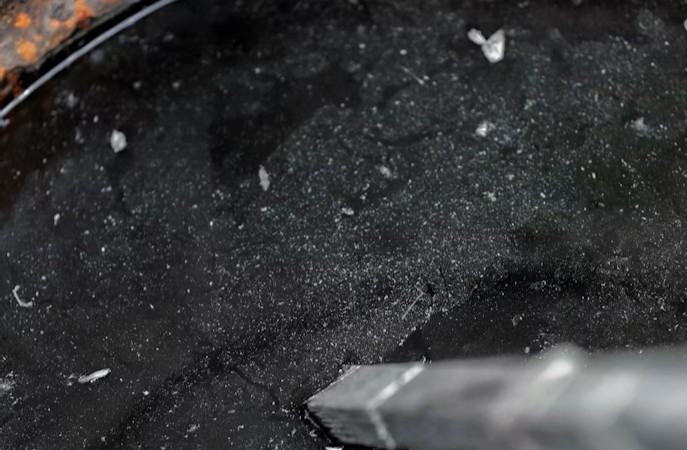
Humic acid, a naturally occurring organic compound derived from decomposed plant and animal matter, such as leonardite or lignite, is widely utilized as a soil amendment in lawn care. It is a key component of humic substances, which also include fulvic acid and humin, and is valued for its ability to enhance soil health, improve nutrient availability, and support robust grass growth. Unlike fertilizers, humic acid does not directly provide nutrients but optimizes the soil environment to make nutrients more accessible to grass, resulting in healthier, more vibrant lawns.
The Science of Humic Acid
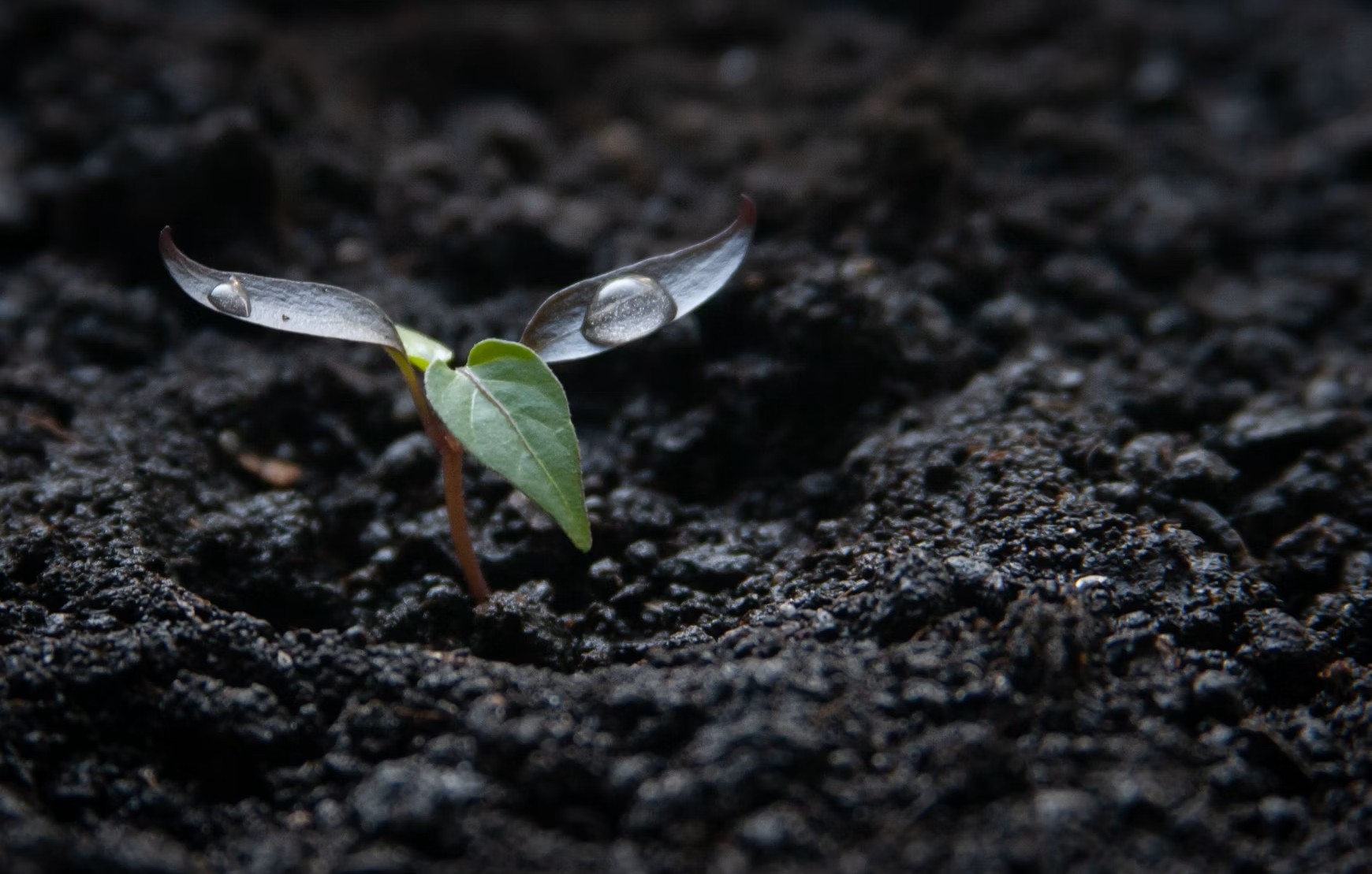
Humic acid is a complex, high-molecular-weight organic substance formed through the microbial decomposition of organic matter over thousands of years. It is rich in carbon and oxygen, with functional groups that enable it to interact with soil particles, nutrients, and microorganisms. In lawn care, humic acid acts as a soil conditioner, improving the physical, chemical, and biological properties of soil. Its dark brown to black color also contributes to soil warming, which can stimulate early-season grass growth in cooler climates.
Key mechanisms of action include:
- Chelation: Humic acid binds to essential nutrients (e.g., nitrogen, phosphorus, potassium, and micronutrients like iron and zinc), preventing them from becoming insoluble and unavailable to plants. This enhances nutrient uptake by grass roots.
- Soil Structure Modification: It promotes the formation of soil aggregates, improving aeration, water infiltration, and root penetration.
- Microbial Stimulation: Humic acid serves as a carbon source for beneficial soil microbes, which break down organic matter and release nutrients, fostering a dynamic soil ecosystem.
Benefits of Humic Acid for Lawns
The application of humic acid offers multiple benefits that contribute to a healthier lawn ecosystem. These benefits are particularly valuable for addressing common lawn care challenges, such as poor soil quality, nutrient deficiencies, or environmental stress.
- Enhanced Nutrient Availability:
- Humic acid improves the cation exchange capacity (CEC) of soil, allowing it to retain and release nutrients more effectively. This ensures that fertilizers applied to the lawn are utilized efficiently, reducing waste and environmental runoff.
- It is particularly effective in making micronutrients, such as iron, more available, which can enhance grass color and vigor without excessive fertilizer use.
- Improved Soil Structure:
- In sandy soils, humic acid increases water and nutrient retention by binding soil particles together, reducing leaching.
- In clay soils, it improves drainage and reduces compaction, creating a looser, more aerated soil profile that supports deeper root growth.
- Better soil structure leads to stronger, more resilient grass capable of withstanding foot traffic and environmental stressors.
- Stimulated Microbial Activity:
- Humic acid encourages the growth of beneficial soil microorganisms, such as bacteria and fungi, which decompose organic matter and cycle nutrients. This creates a self-sustaining soil ecosystem that supports long-term lawn health.
- Enhanced microbial activity can also suppress soil-borne pathogens, reducing the need for chemical interventions.
- Increased Stress Tolerance:
- Lawns treated with humic acid often exhibit greater resilience to drought, heat, salinity, and other environmental stresses. This is due to improved root development, water retention, and nutrient availability, which help grass maintain vigor under adverse conditions.
- For example, humic acid can mitigate the effects of drought by improving soil moisture retention, reducing wilting in hot, dry periods.
- pH Buffering and Soil Remediation:
- Humic acid can stabilize soil pH, making it more suitable for grass growth in acidic or alkaline soils. Most lawn grasses thrive in a pH range of 6.0–7.0, and humic acid helps maintain this range.
- It can also bind to heavy metals and other soil contaminants, reducing their toxicity and improving soil safety for grass growth.
- Reduced Soil Compaction:
- Compacted soils restrict root growth and limit water and nutrient access. Humic acid’s ability to improve soil aggregation helps alleviate compaction, promoting healthier root systems and better lawn performance.
- Sustainability Benefits:
- As a natural product, humic acid is environmentally friendly and supports sustainable lawn care practices by reducing reliance on synthetic fertilizers and improving soil health over time.
Application Methods for Humic Acid
Humic acid is available in several forms—granular, liquid, and powder—each suited to different application methods and lawn care scenarios. The choice of form and application method depends on the lawn’s size, condition, and maintenance goals.
- Granular Humic Acid:
- Description: Granular products are solid particles that can be spread across the lawn using a broadcast or drop spreader.
- Application: Apply evenly at a rate of 8–12 pounds per 1,000 square feet, depending on product instructions. Water the lawn thoroughly after application to help the granules dissolve and penetrate the soil.
- Best Use: Ideal for large lawns or during routine maintenance, as granules release humic acid slowly over time.
- Liquid Humic Acid:
- Description: Liquid formulations are concentrated solutions that can be diluted with water and applied via a sprayer or hose-end applicator.
- Application: Mix 1–2 ounces of liquid humic acid per gallon of water (per product guidelines) and apply evenly across the lawn. This method allows for rapid absorption by the soil and grass roots.
- Best Use: Suitable for quick applications, spot treatments, or combination with liquid fertilizers for enhanced nutrient delivery.
- Powdered Humic Acid:
- Description: Powdered forms are less common but can be mixed with water or incorporated directly into the soil.
- Application: Dissolve in water for spraying or mix into topsoil during lawn establishment or aeration. Follow product-specific rates, typically 1–2 pounds per 1,000 square feet.
- Best Use: Useful for targeted soil amendments, such as during seeding or sod installation.
- Soil Incorporation:
- Description: For new lawns or during aeration, humic acid can be mixed into the top 2–4 inches of soil to improve soil quality from the outset.
- Application: Use a tiller or aerator to incorporate granular or powdered humic acid into the soil before seeding or laying sod.
- Best Use: Ideal for establishing new lawns or renovating poor soils.
Practical Guidelines for Application
- Timing: Apply humic acid during the active growing season, typically spring (March–May) or early fall (August–October), when grass is actively growing and can maximize the benefits of improved soil conditions. Avoid applications during extreme heat or drought, as grass may be stressed.
- Frequency: For ongoing maintenance, apply humic acid every 6–8 weeks during the growing season. One to two applications per year may suffice for well-established lawns with healthy soil.
- Dosage: Always follow manufacturer recommendations, as over-application can lead to nutrient imbalances or excessive organic matter buildup. Typical rates are 8–12 pounds per 1,000 square feet for granular products and 1–2 ounces per gallon for liquid products.
- Watering: After applying granular humic acid, water the lawn to activate the product and facilitate its movement into the soil. Liquid applications may not require additional watering but should be applied when the lawn is not overly saturated.
- Compatibility: Humic acid can be combined with most fertilizers, herbicides, or pesticides, but avoid mixing with high-pH products like lime, as they may reduce its effectiveness. If combining with other products, apply separately or confirm compatibility with the manufacturer.
Practical Considerations
To maximize the effectiveness of humic acid in lawn care, consider the following:
- Soil Testing: Conduct a soil test prior to application to assess nutrient levels, pH, and organic matter content. This helps determine whether humic acid is necessary and guides application rates. Soil tests can be obtained through local agricultural extension services or commercial kits.
- Lawn Type: Different grass species have varying nutrient and soil requirements. Tailor humic acid use to the specific grass type and regional climate.
- Environmental Conditions: Humic acid performs best in soils with moderate organic matter content. In extremely sandy or clay-heavy soils, additional amendments (e.g., compost or gypsum) may be needed to complement its effects.
- Long-Term Commitment: Humic acid improves soil health gradually, so results may take weeks to months to become noticeable. Consistent use over multiple seasons yields the best outcomes.
- Environmental Impact: While humic acid is eco-friendly, excessive application can contribute to nutrient runoff, particularly in areas near water bodies. Adhere to recommended rates and avoid applying before heavy rain.
Limitations and Challenges
While humic acid is highly beneficial, it is not a cure-all for lawn care issues. Key limitations include:
- Not a Fertilizer: Humic acid does not replace fertilizers, as it provides no direct nutrients. It should be used alongside a balanced fertilization program to address specific nutrient deficiencies.
- Variable Results: Effectiveness depends on soil type, existing soil health, and grass species. Lawns on severely degraded soils may require additional amendments or remediation before humic acid can be fully effective.
- Time to Results: Improvements in lawn appearance and health may not be immediate, requiring patience and consistent application.
- Cost Considerations: High-quality humic acid products can be expensive, particularly for large lawns. Budget-conscious lawn owners should compare products and prioritize those with high humic acid content (check labels for percentages).
- Not a Pest or Disease Solution: Humic acid does not directly address issues like weeds, pests, or fungal diseases. Integrated pest management and other treatments may be necessary for these problems.
Integration into a Comprehensive Lawn Care Plan
For optimal results, humic acid should be part of a holistic lawn care strategy that includes:
- Regular Mowing: Mow at the recommended height for your grass type to reduce stress and promote healthy growth.
- Proper Watering: Water deeply and infrequently (1–1.5 inches per week) to encourage deep root systems, complementing humic acid’s water-retention benefits.
- Balanced Fertilization: Use a balanced fertilizer (e.g., 16-4-8 N-P-K) based on soil test results to provide essential nutrients, which humic acid can help deliver to grass roots.
- Aeration and Overseeding: Aerate compacted soils annually and overseed thin areas to maximize the benefits of humic acid in improving soil structure and grass density.
- Weed and Pest Control: Address weeds and pests promptly to prevent competition with grass, as humic acid does not directly control these issues.
Case Studies and Practical Examples
- Reviving a Compacted Lawn:
- Scenario: A homeowner notices patchy, thin grass on a heavily trafficked lawn with compacted clay soil.
- Solution: Apply granular humic acid at 10 pounds per 1,000 square feet after core aeration in early fall. Water thoroughly and follow with a balanced fertilizer. Repeat in spring. Within two seasons, the lawn shows improved density and color due to better soil structure and nutrient uptake.
- Enhancing a New Lawn:
- Scenario: A landscaper is establishing a new lawn on sandy soil with low organic matter.
- Solution: Incorporate powdered humic acid into the topsoil at 2 pounds per 1,000 square feet before seeding. Apply a liquid humic acid spray monthly during the first growing season. The lawn establishes quickly with strong root systems and vibrant growth.
- Drought-Stressed Lawn:
- Scenario: A lawn in a hot, dry climate shows signs of wilting despite regular watering.
- Solution: Apply liquid humic acid at 1.5 ounces per gallon of water every 6 weeks during summer, combined with deep watering. The lawn recovers better between waterings due to improved soil moisture retention.
Conclusion
Humic acid is a powerful, natural tool for enhancing lawn health by improving soil quality, nutrient availability, and grass resilience. Its ability to optimize soil structure, stimulate microbial activity, and increase stress tolerance makes it a valuable addition to lawn care programs. However, its benefits are maximized when used as part of a comprehensive approach that includes proper fertilization, watering, and maintenance practices. By understanding its applications, limitations, and integration with other lawn care techniques, users can achieve lush, sustainable lawns that thrive in diverse conditions.
For further guidance, consider the following:
- Product Selection: Choose high-quality humic acid products with clear labeling of humic acid content (e.g., 70% or higher). Avoid products with excessive fillers.
- Professional Consultation: For complex lawn issues, consult a local lawn care professional or extension service for tailored recommendations.
- Ongoing Monitoring: Regularly assess lawn health and soil conditions to adjust humic acid applications as needed.