-
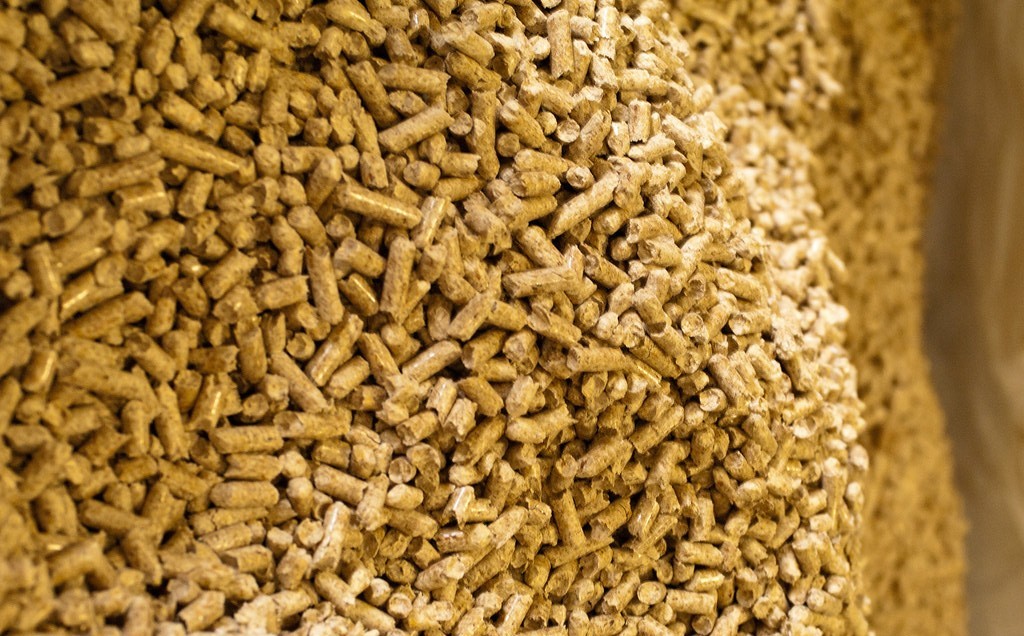
Sodium humate is used for animal feed
Sodium humate, a water-soluble salt derived from humic acid, is a natural organic compound extracted from sources such as weathered coal, peat, or lignite. It has gained significant attention in animal husbandry and aquaculture as a feed additive due to its wide-ranging benefits for animal health, growth, and productivity. Its use as a natural, eco-friendly…
-

Humic acid is used for heavy metal adsorption
Humic acid, a complex organic substance derived from the natural decomposition of plant and animal matter, is widely recognized for its efficacy in adsorbing heavy metals from various environmental matrices, including soil, water, and wastewater. Its application in environmental remediation, agriculture, and water treatment stems from its unique chemical composition, which facilitates the binding of…
-
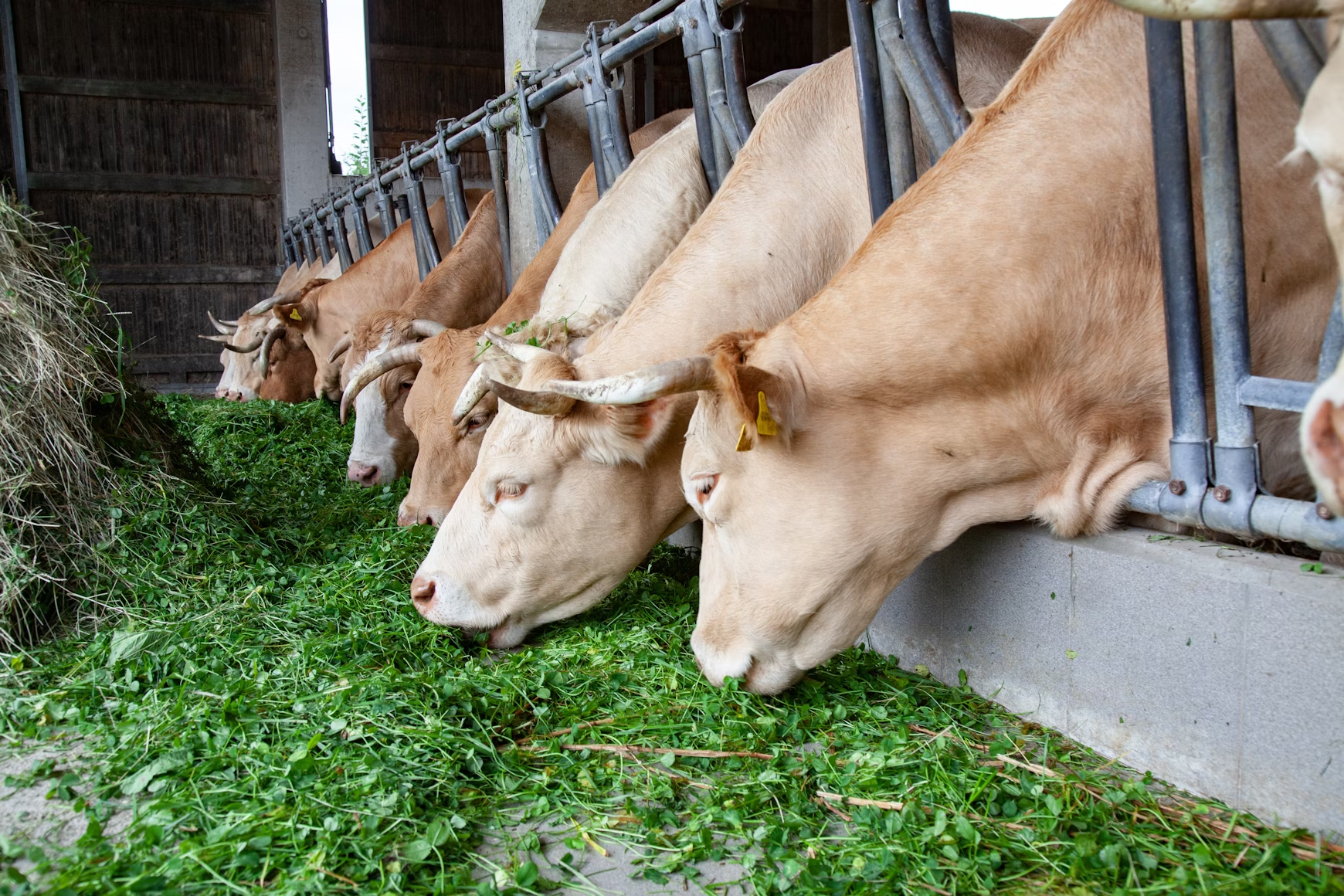
Humic acid is used as a feed additive for livestock
Humic acid, a naturally occurring organic substance derived from the decomposition of plant and animal matter, is increasingly utilized as a feed additive in livestock production. It is primarily extracted from sources such as leonardite, lignite, or peat and consists of a complex mixture of humic substances, including humic and fulvic acids. These compounds are…
-
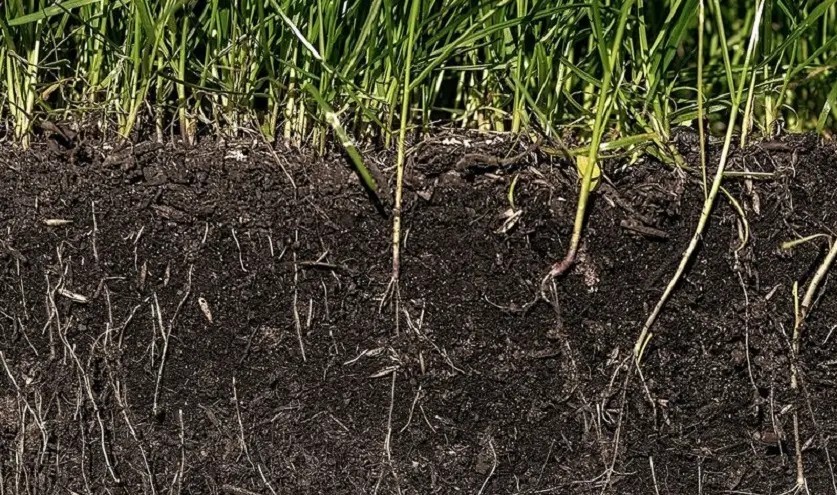
Humic acid is used for soil health
Understanding Humic Acid’s Role in Soil Health Humic acid is a key component of humic substances, which are natural organic compounds formed through the microbial decomposition of plant and animal residues. It is dark brown to black in color and plays a critical role in maintaining and improving soil health by enhancing its physical, chemical,…
-
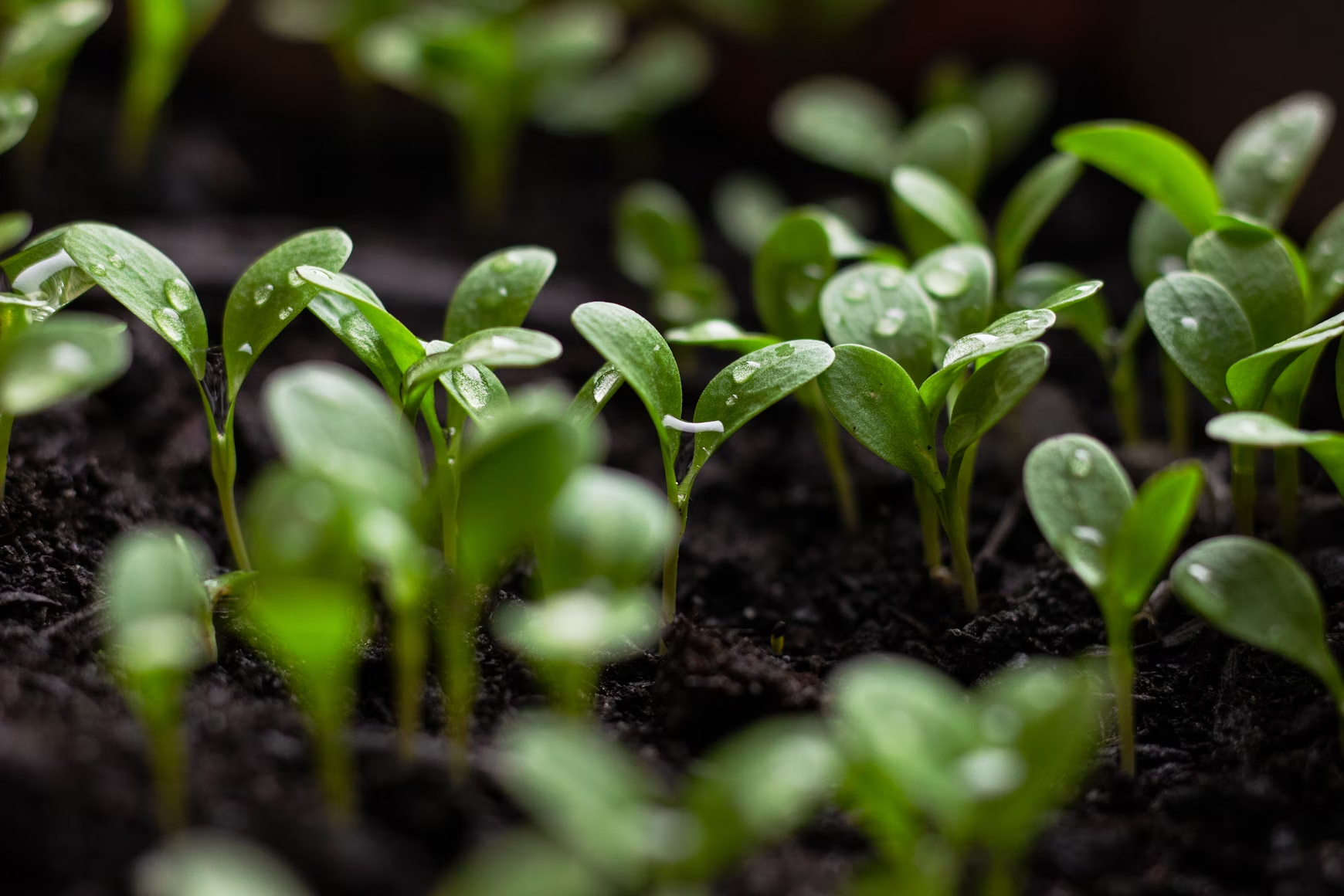
Humic Acid is used for plant growth
Humic acid, a naturally occurring organic compound derived from the decomposition of plant and animal matter, is widely utilized in agriculture to enhance plant growth. As a primary component of humic substances, it is sourced from materials such as leonardite, peat, compost, or lignite and plays a significant role in improving soil fertility, stimulating plant…
-

Potassium humate’s environmental benefits
Potassium humate is an organic product used in farming to improve soil quality, enhance nutrient availability, and support healthy crop growth. Made from humic substances extracted from natural sources like leonardite or lignite, it contains humic acids, fulvic acids, and potassium. These components work together to create healthier soils, reduce the need for chemical inputs,…
-

Potassium humate leonardite
Potassium humate is the potassium salt of humic acid, an organic compound derived from humic substances found in natural materials such as leonardite, lignite, or peat. Leonardite, a highly oxidized form of lignite (brown coal), is the preferred raw material for producing high-quality potassium humate due to its elevated humic acid content (typically 70–90%) and…
-

Potassium humate is used for soil fertility
Potassium humate is a natural, organic substance widely used in agriculture and gardening to improve soil fertility and support healthy plant growth. It comes from humic substances found in materials like leonardite, lignite, or peat, which are formed over thousands of years as plant and animal matter break down in the earth. By reacting these…