-

Humate cation exchange capacity
Humate, a naturally derived organic soil amendment rich in humic substances, possesses an extraordinarily high Cation Exchange Capacity (CEC)—a critical metric in soil science that determines a material’s ability to attract, hold, and release positively charged nutrient ions (cations) such as calcium (Ca²⁺), magnesium (Mg²⁺), potassium (K⁺), sodium (Na⁺), ammonium (NH₄⁺), and hydrogen (H⁺). Measured…
-

Humate for fall treatment
Humate, derived primarily from oxidized lignite deposits such as leonardite, represents a concentrated source of humic substances, including humic acids, fulvic acids, and humin. These organic compounds are formed through the microbial decomposition of ancient plant materials over geological timescales. Unlike synthetic fertilizers, humate serves as a biostimulant and soil conditioner, facilitating improved physical, chemical,…
-

Where can I buy humate locally?
Humate, represents a premium natural soil conditioner derived from ancient organic deposits, primarily leonardite or lignite formations. These sources, formed over millions of years through the decomposition of plant and animal matter, yield a rich, carbon-based substance that plays a pivotal role in modern sustainable agriculture. By enhancing soil aggregation, boosting water-holding capacity, improving nutrient…
-

The chelation properties of humate
Humate is that dark, crumbly stuff you find deep in old soil or in peat bogs. Humate comes from leaves, roots, bark, and even animal bits that have been rotting away for hundreds or thousands of years. All that slow breakdown leaves behind a messy mix of big carbon-rich molecules. These molecules are loaded with…
-
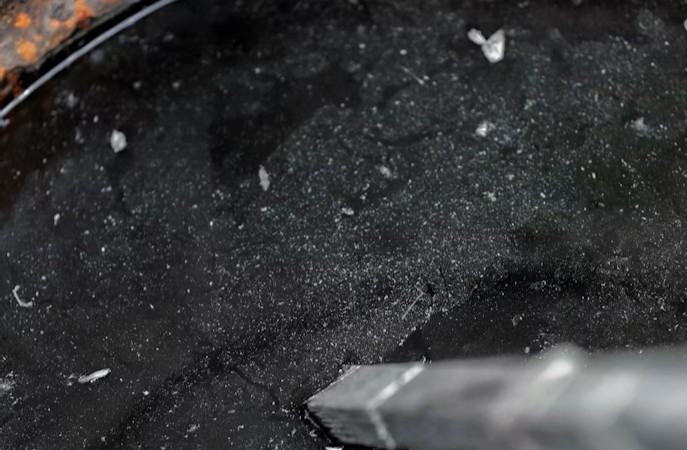
Potassium humate powder
Potassium humate powder is a highly valued organic compound in agriculture, recognized for its role as a soil conditioner, plant growth stimulant, and environmentally sustainable fertilizer enhancer. It is the potassium salt of humic acid, derived from humic substances found in naturally occurring deposits of decomposed organic matter, such as lignite, leonardite, or peat. These…
-

Liquid humate
Liquid humate is a concentrated, water-soluble solution derived from humic substances, which are complex organic compounds formed through the microbial decomposition of plant and animal matter over geological timescales. Extracted from ancient deposits such as leonardite, lignite, or prehistoric peat moss, liquid humate contains humic acid, fulvic acid, and potassium humate, delivering a potent, bioactive…
-

Humate detox
Humate, derived from decomposed organic matter such as leonardite or lignite, is a natural material widely used in soil remediation to detoxify contaminated soils. Composed primarily of humic acid, fulvic acid, and humin, humate is effective in addressing soil contamination caused by pollutants such as petroleum hydrocarbons, heavy metals, pesticides, and excessive salts. Its ability…
-

Humate for vegetable gardens
Humate, a natural soil conditioner derived from ancient organic deposits such as leonardite shale, is composed of humic acid, fulvic acid, and humin. These organic compounds enhance soil health, nutrient availability, water retention, and plant resilience, making humate an essential tool for optimizing vegetable garden productivity. Unlike fertilizers, which directly supply nutrients, humate functions as…